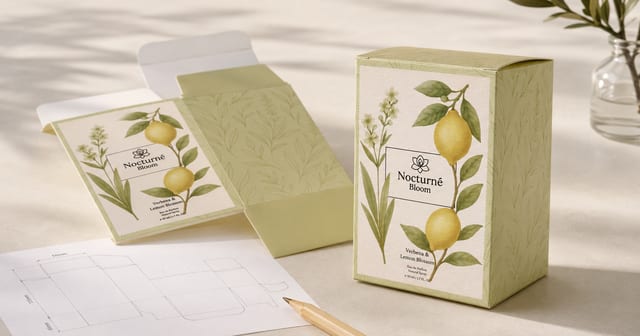
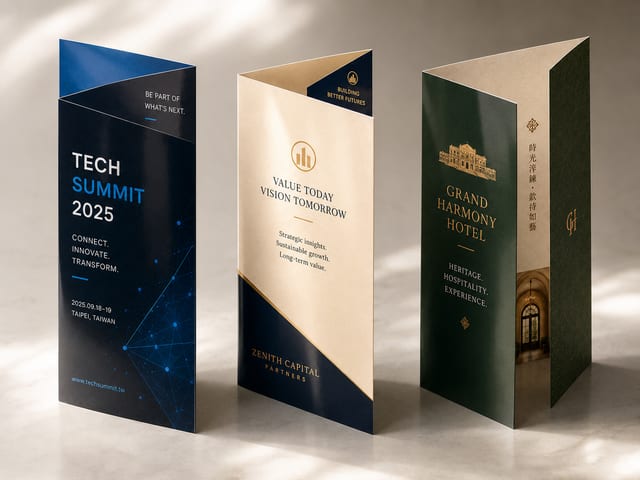
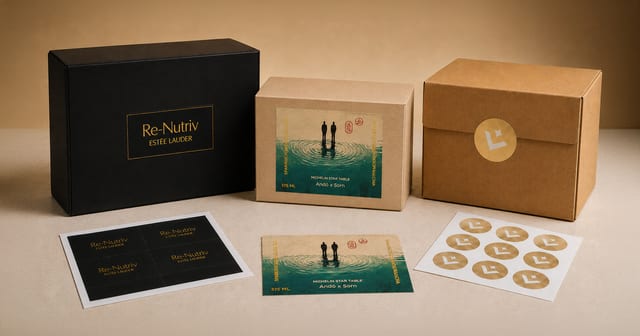
At Printing Banana we've been expanding our PVC plastic card range, and we offer these cards in a wide variety of surface finishes. An earlier post walked through those finishes in detail — if you'd like the full rundown, read Six PVC Card Surface Finishes Explained (with photos). Because there are so many options to choose from, we've put together this guide to how the cards are actually used, so whether your project is personal or commercial, you'll find the right fit here.
In this article we cover six practical uses:
1. ID Cards
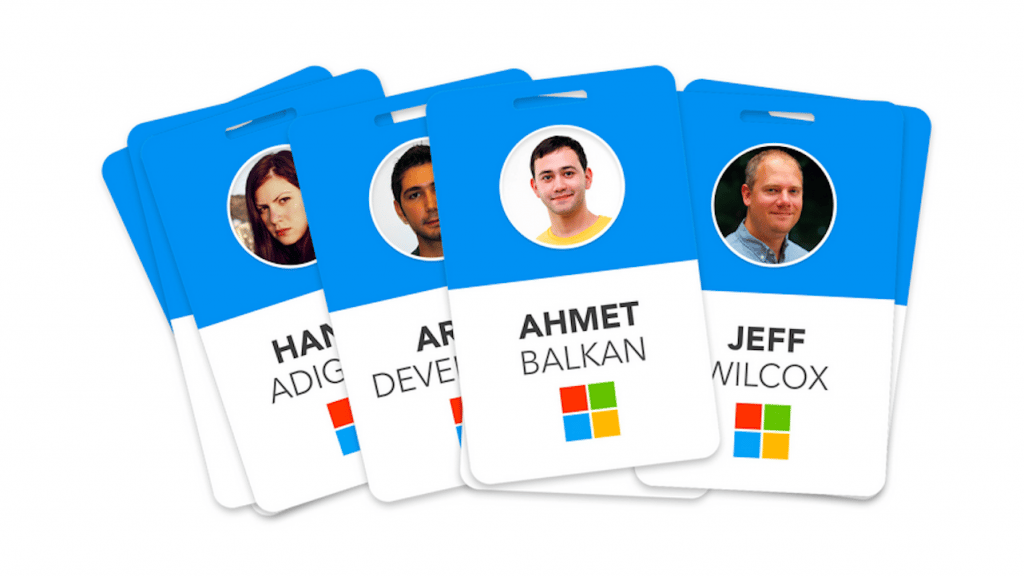
ID cards usually carry personal details such as a name, photo and ID number. Printing each one the traditional way would be expensive, so instead we use variable-data printing to put different content on every card while keeping costs down dramatically. You can also add a round or oval punch hole so the card sits easily on a lanyard. And because variable-data PVC cards are produced with digital printing, we can print as few as a single card.
2. Membership Cards
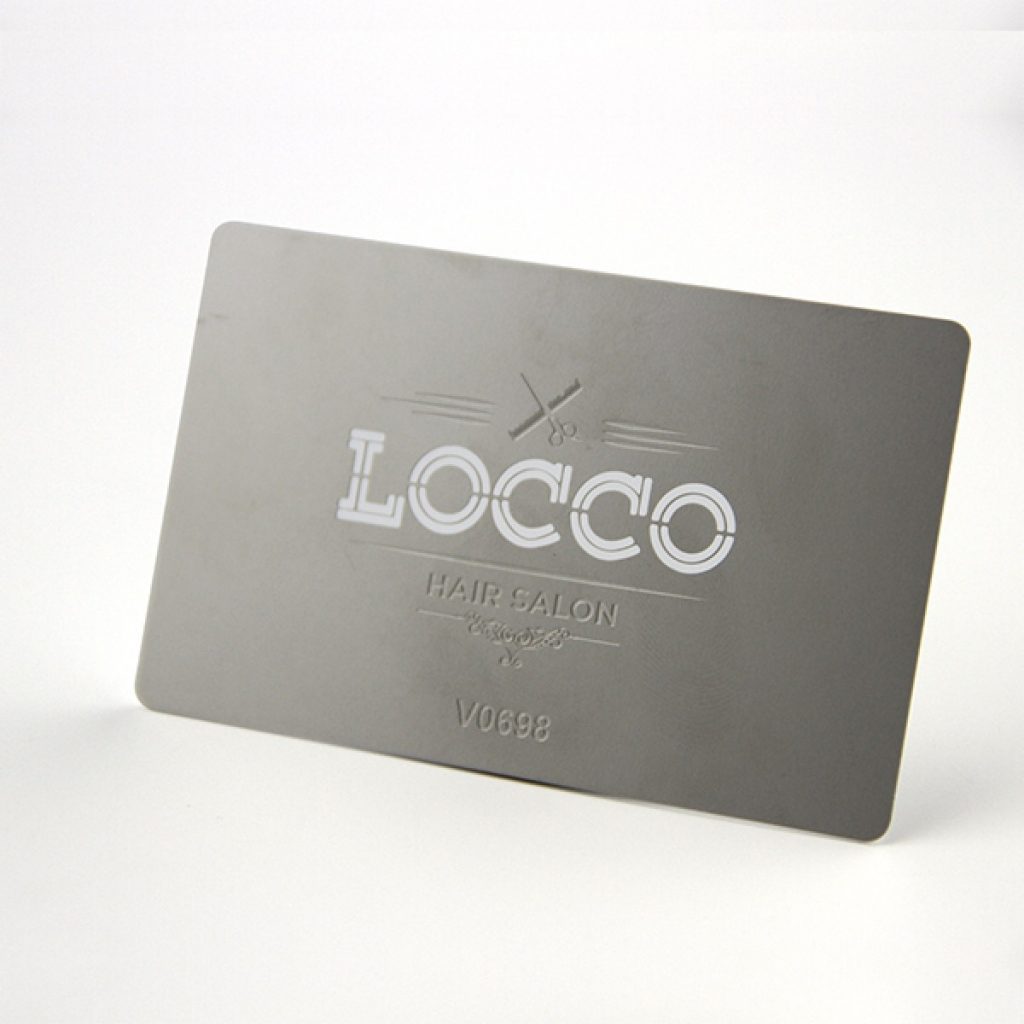
Membership cards are printed with a unique member number, applied either as embossed numbering or as flat printed numbering. You can pick the method to suit your budget — flat numbering is cheaper than embossed. Since every card's number is different, we print them with variable data. Printing Banana recommends embossed numbering: the raised finish has a distinctive feel in the hand that gives customers a premium impression.
3. Promotional Cards
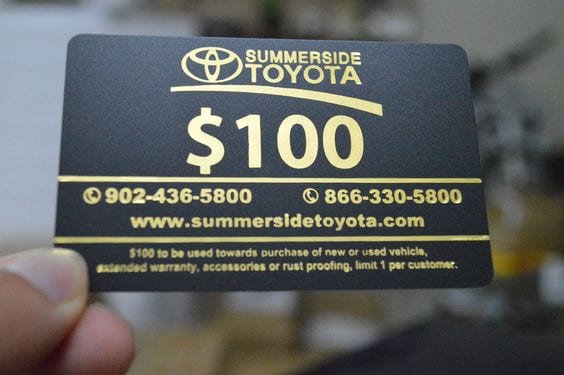
Plenty of high-end companies use PVC cards to create cash cards, discount cards and offer cards, typically for premium commercial promotions. Add a scratch-off code to the back of a promotional card and you can be sure each one is only redeemed once. You can also add a barcode or QR code to track when and where customers use it. If the card carries a large face value, it's worth adding anti-counterfeit features as well.
4. VIP Cards
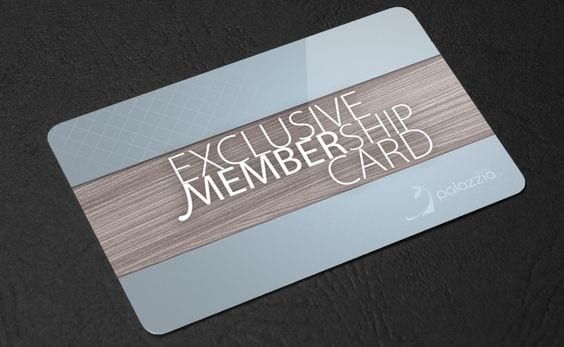
Unlike an ordinary membership card, a VIP card usually carries a barcode or chip that records the holder's details and spending behaviour. That makes it far easier to analyse how your highest-spending VIPs behave and plan your next sales move around them. To set a VIP card apart and signal the holder's status, a common touch is hot foil stamping on the card face — usually applied to the company logo or to the letters "VIP".
5. Hotel Key Cards
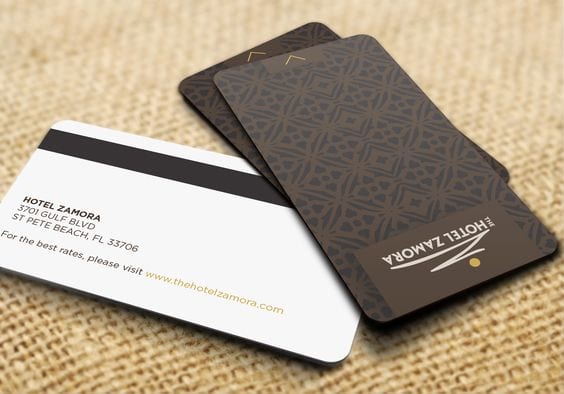
Almost every hotel key card is made from PVC; the difference is the magnetic stripe on the card. The stripe identifies the guest and is used to open the door and switch on the room's power. Magnetic stripes come in two formats — high-coercivity (HiCo) and low-coercivity (LoCo) — and you need to choose based on your hardware. Get the pairing wrong and the stripe simply won't work.
6. PVC Business Cards
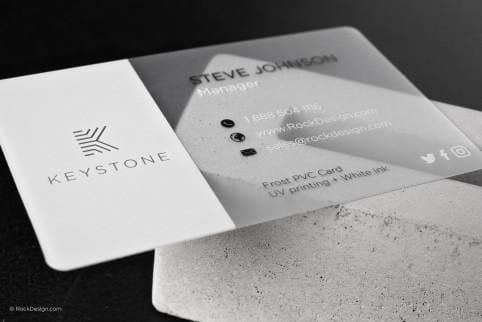
Many companies use PVC to make their business cards too. A PVC business card is commonly 0.38mm thick, whereas the five uses above are printed on thicker 0.76mm cards. Plastic business cards come in three main base types: transparent, coarse frosted and fine frosted. For more design reference images, see 19 PVC Plastic Business Cards – Professional and Trustworthy.
Not sure which format fits your project? We deliver PVC cards across Hong Kong and Macau, and you're welcome to WhatsApp us at +852 3001 5678 to talk it through — English is fine.