Gang run printing comes with a lot of built-in limitations — whether it is the trimming or the ink colour, you simply cannot ask too much of it. If you hold your printed pieces to a high aesthetic standard, gang run printing is best avoided. In this article we walk through exactly why gang run printing carries such wide tolerances, so you know what to expect before you order.
How gang run printing works
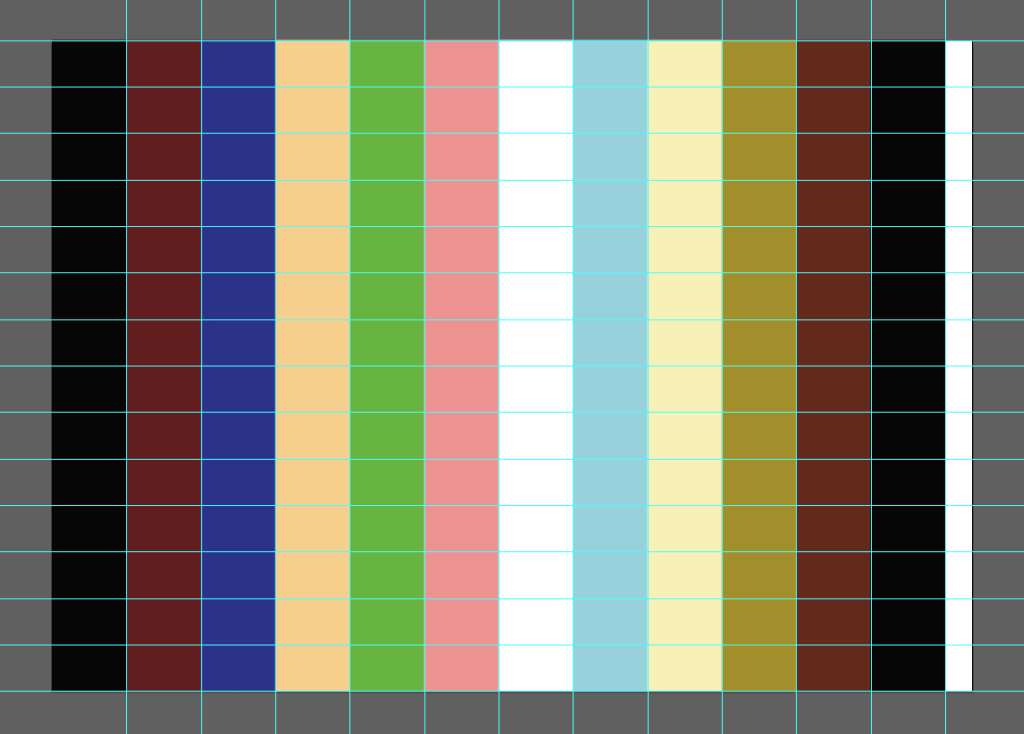
Gang run printing is a resource-efficient, cost-cutting method that places several unrelated jobs onto a single printing plate. It exists so that customers can print at a lower cost. For customers whose requirements aren't especially demanding, gang run printing fits the bill nicely — as long as your artwork stays within a few ground rules, gang run printing can still reproduce it cleanly.
Trimming and trim tolerance
As mentioned above, gang run printing prints many different designs on the same sheet, so the cutting stage can't line every single design up perfectly. The trimmer has to take a middle point that keeps every design within an acceptable margin — which is why the industry trim tolerance for gang run work sits at 1–3mm.
Trimming gang run cards
On a card that measures just 90 × 54mm, that margin looks far more obvious to the eye. If the card uses a border design, the misalignment shows up even more clearly. So with gang run printing we don't really recommend border designs, and no key content should sit too close to the edge — otherwise the trim tolerance can end up cutting your design away.
Colour variance
As noted above, gang run printing gangs many pieces of artwork together, so the press operator can't fine-tune the ink for any single job. Because the whole plate prints as one, any colour adjustment has to be judged across the entire sheet. In other words, the final colour of a gang run job is easily influenced by the colours of the other jobs sharing the plate.
±10% colour variance
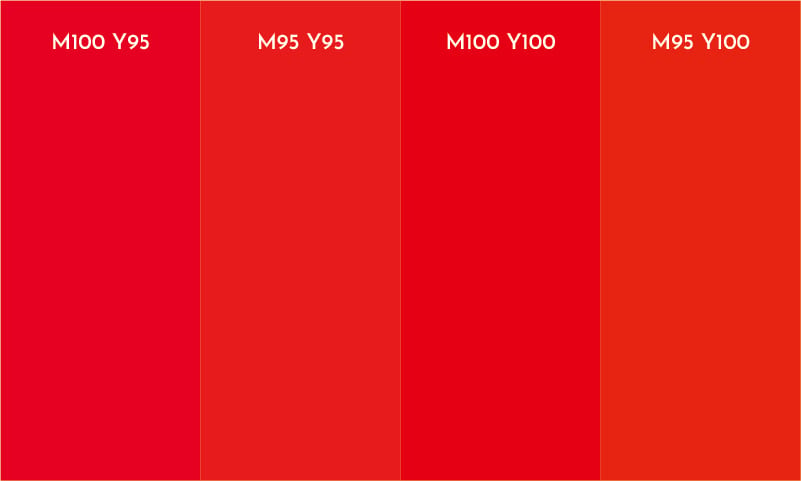
Because colour shift is so hard to control, the industry works to a ±10% colour tolerance as standard. A ±10% swing is by no means trivial, so we recommend steering clear of sensitive colours. The main sensitive colours are orange, purple, brown, neutral grey and apple green — these are prone to large colour shifts and demand extra care even on a dedicated press run, let alone in a gang run.
Quantity variance
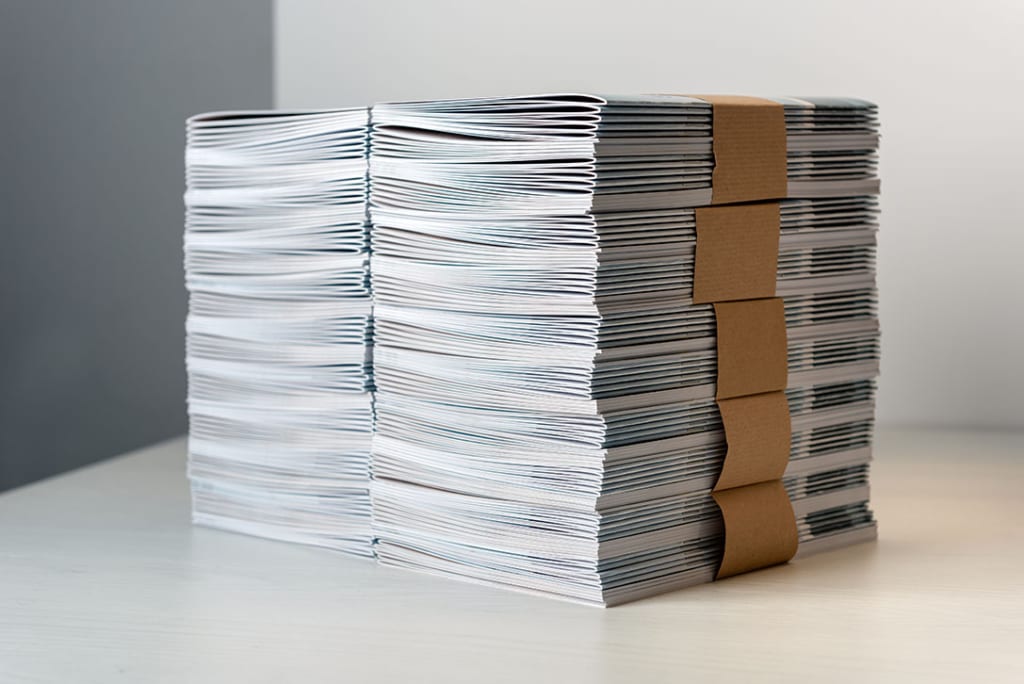
A normal dedicated press run includes a certain number of overs — extra sheets used to dial in colour and cutting position. Because a dedicated run has a high minimum quantity, this wastage barely dents the bulk order. Gang run printing, however, keeps overs to a minimum to control cost, so any spoilage during the run comes straight off your final quantity.
So why use gang run printing at all?
Gang run printing exists to bring printing costs down, and lowering cost inevitably means paying for it in quality — which is exactly why gang run printing is cheaper than a dedicated press run. The finished result genuinely isn't as good as dedicated-plate printing, but for small quantities on a tight budget, gang run printing is still an excellent choice.
Not sure whether a gang run or a dedicated run suits your job? Message us on WhatsApp at +852 3001 5678 (English is fine) and we'll help you weigh the cost against the finish, with delivery across Hong Kong and Macau.