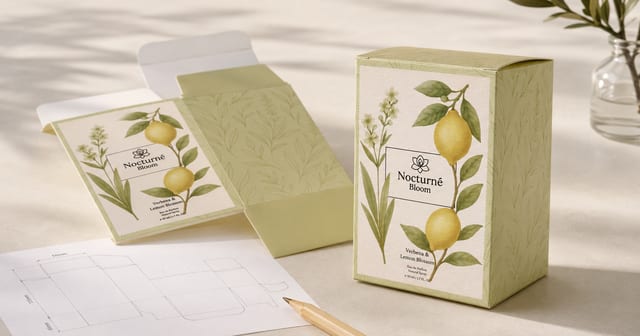
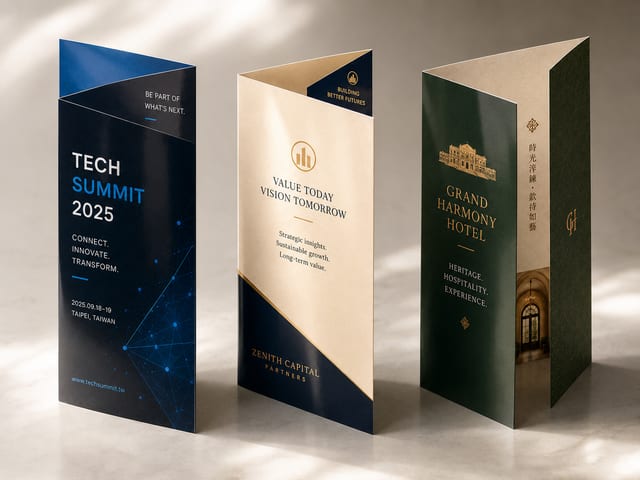
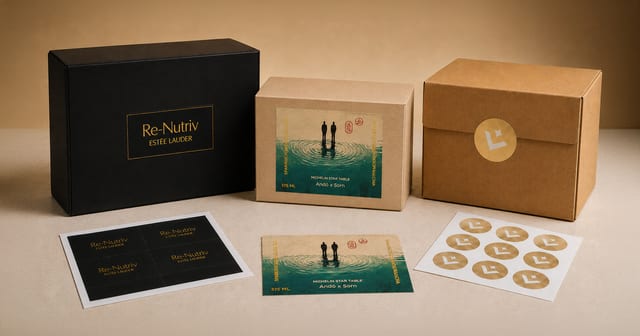
To make your cards or packaging feel genuinely distinctive and premium, the right paper finish is essential. Two of the most common are embossing and debossing — techniques that strengthen both the look and the feel of a printed piece. They add depth, help elevate your brand image, and, on the sales floor, genuinely lift a customer's desire to buy.
Embossing and debossing
Both effects are produced with a die or metal plate. With embossing, the piece is struck from the back so the design on the front is pushed up in relief. With debossing, the design is pressed down into the paper, leaving a recessed impression. Both are ideal for making a logo, lettering or graphic stand out — or for working a subtle texture into the surface of the sheet. The point is to give an otherwise flat piece of paper a real sense of 3D.
Embossing and debossing can each be done blind (colourless) or in colour, depending on the design. Coloured versions can be applied not only over printed ink but also over foil stamping. Because the two processes have to work together, they demand more skill from the press operator and produce more waste on press — so the more colours you add to an emboss or deboss, the harder registration becomes and the higher the wastage.
We recommend thick paper for debossing, as the effect shows far more clearly — debossing in particular simply won't register without enough thickness behind it. Card that is too thick, on the other hand, isn't ideal for embossing, because it's harder to strike the shape cleanly out of the sheet.
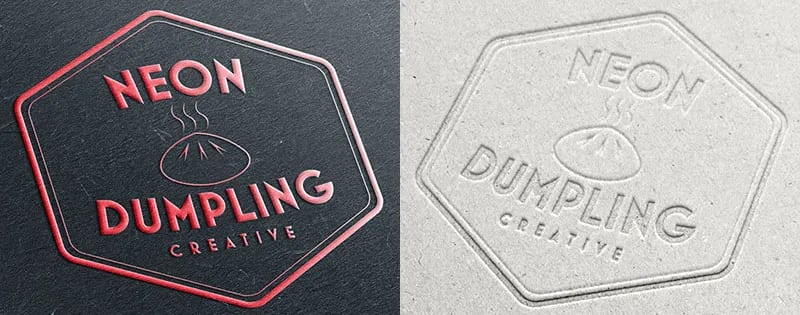
Embossing and debossing in action
Pieces finished with these techniques carry a distinctive visual effect and a genuinely pleasing tactile experience — which means potential customers come to see your brand, products and services as high-quality and considered.
You'll see them on all kinds of printed work: business cards, invitations, greeting cards, letterhead, envelopes, packaging boxes, paper bags and more.
Debossing is commonly used for:
- Company logos and coloured stamps
- Decorative patterns on invitations
- Lettering on folders
Embossing is commonly used for:
- The couple's names on wedding invitations
- Company logos
- Names on cards
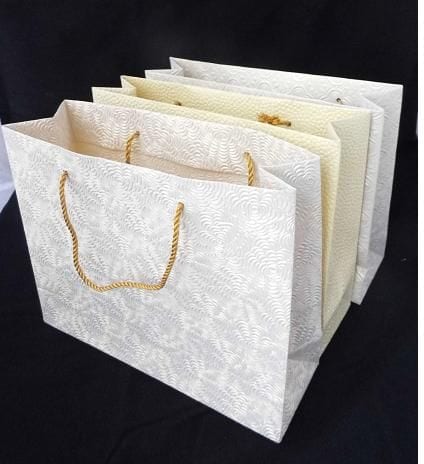
Δ An all-over embossed texture on a paper bag — a common treatment for premium bags.
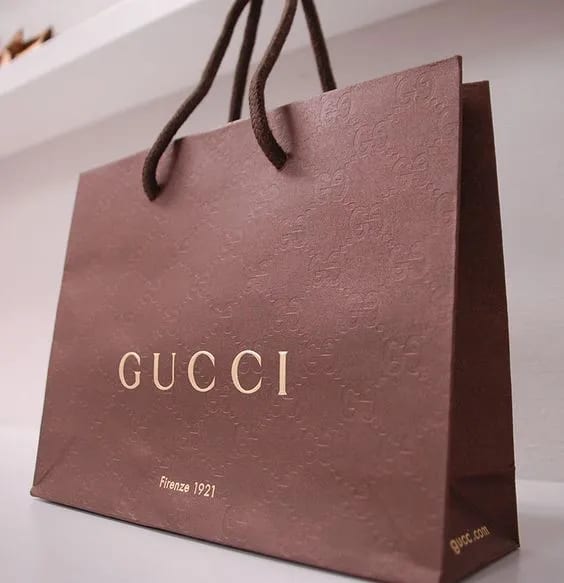
Δ Another all-over embossed texture, but here the "GUCCI" lettering is finished in embossed gold foil, lifting the brand image considerably.
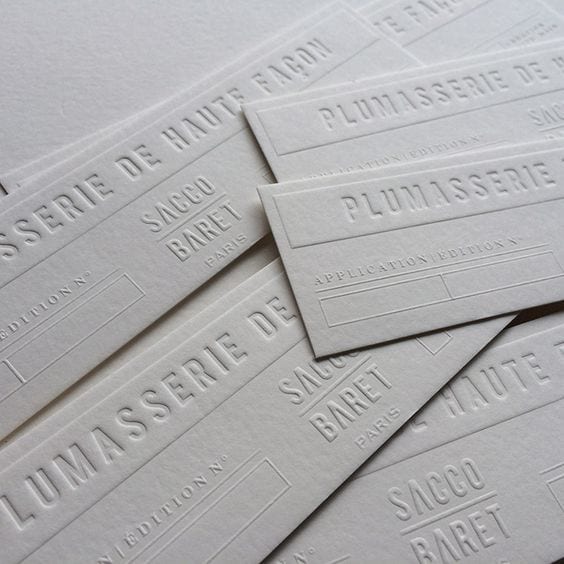
Δ Premium cards often combine both techniques; this one uses no colour at all yet still catches the eye.
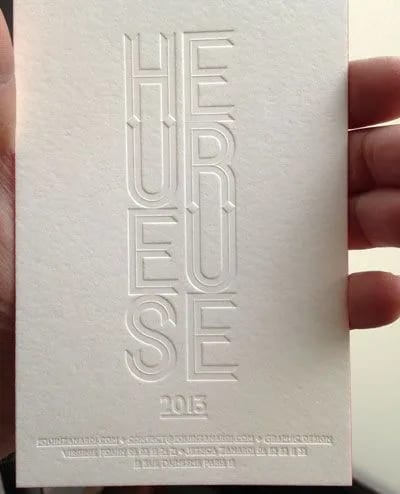
Δ Another premium card: the lettering isn't pressed all the way down — a fine line is left along the middle, making the texture of the type stand out even more.
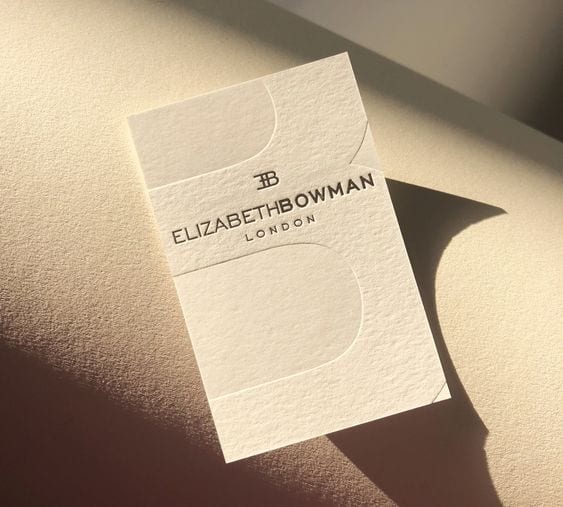 Δ This premium-card treatment is a designer favourite: a large debossed area forms the "3" lettering, giving the whole card a luxurious feel.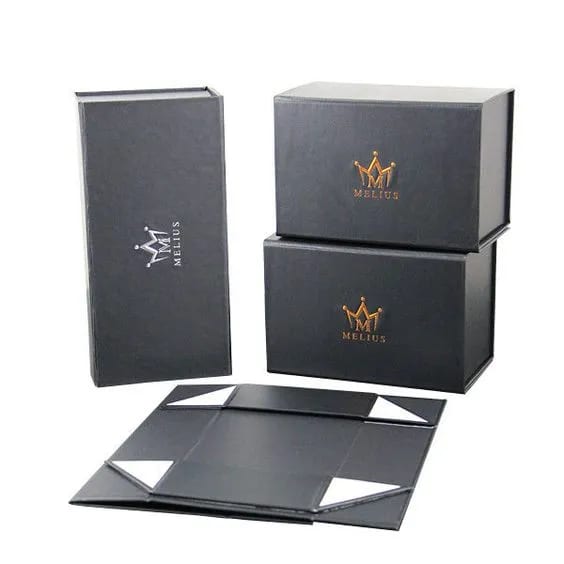
Δ Here embossed gold foil highlights the logo on packaging — a finishing method you'll often see on luxury goods.
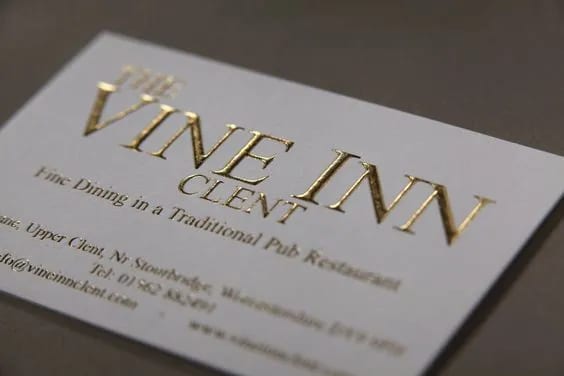
Δ Embossed gold foil again, this time on an invitation card to emphasise the theme and the wording.
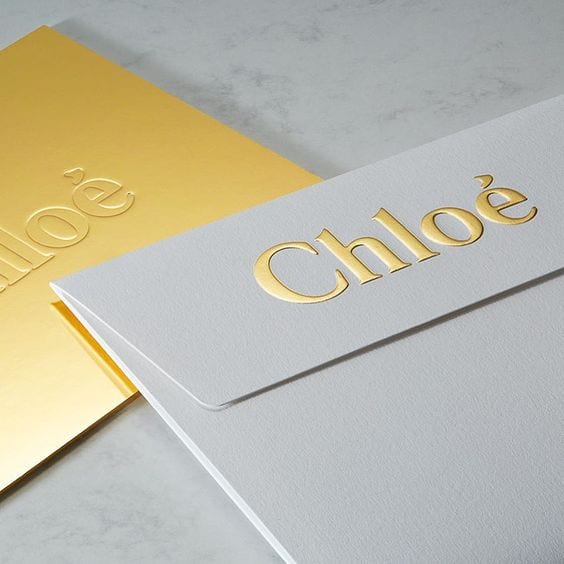
Δ To sharpen their brand image, some companies put real thought into the envelope — debossing on the front and embossed gold foil at the flap.
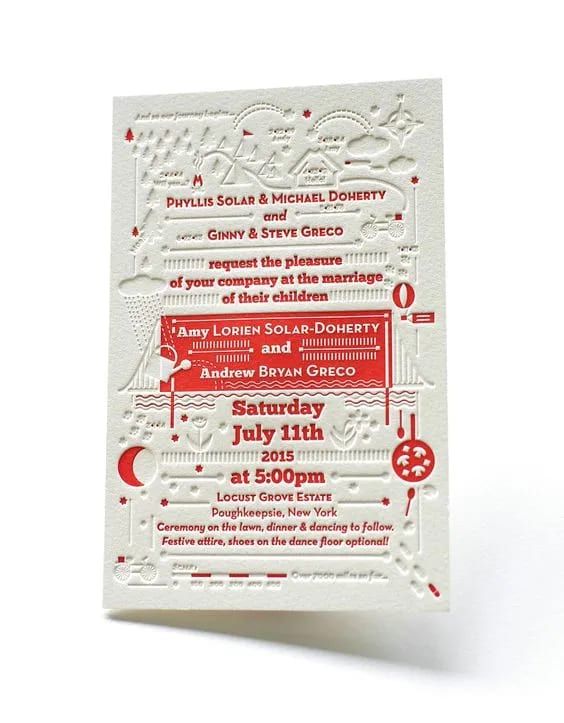
Δ This invitation uses embossing rather than debossing, yet its raised relief still gives the card a rich sense of depth.
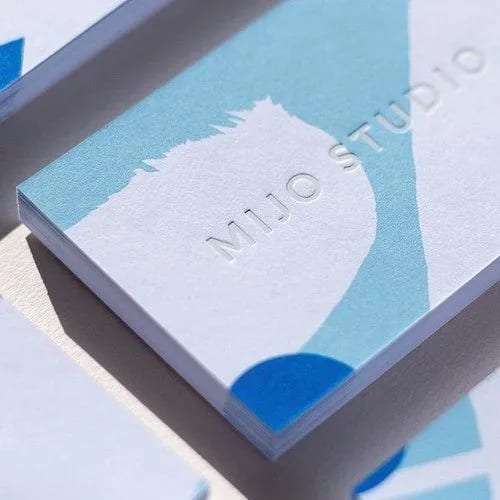
Δ Coloured debossing on business cards is very common; this card pairs white foil with a deboss.
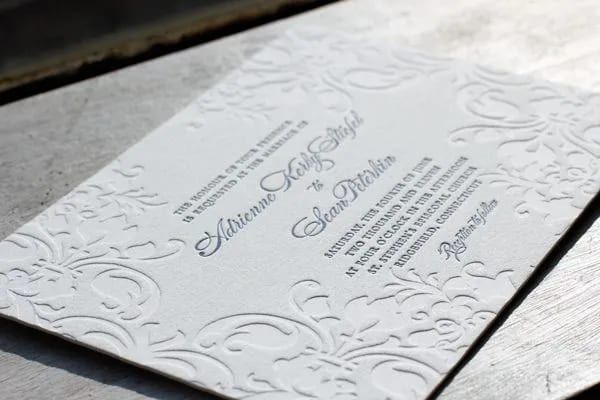
Δ A simple background deboss lifts the whole invitation's sense of luxury — understated yet lavish.
Thinking about embossing, debossing or foil for your next card or packaging job? We deliver across Hong Kong and Macau — message us on WhatsApp at +852 3001 5678 (English is fine) and we'll help you choose the right finish and stock.