Selling a product in Hong Kong is never just a visual-design exercise. Your packaging also has to clear regulatory compliance, control logistics costs, and answer consumers’ growing demand for sustainability. Hong Kong has well-developed rules covering food labelling, safety warnings and packaging-waste reduction, and your design has to account for all of them. This guide reads Hong Kong’s packaging requirements through an industry lens and offers practical advice on design and material selection.
1. Beauty & Personal Care (Cosmetics & Haircare)
Regulatory essentials
Hong Kong has no dedicated labelling law for beauty products; their safety is governed by the Consumer Goods Safety Ordinancesmefund.tid.gov.hk. Unless a product is classified as a pharmaceutical, you are not required to list ingredients. However, any packaging that carries a warning or usage instruction must include a “bilingual safety label”, with the cautionary wording set out in both Chinese and Englishsmefund.tid.gov.hk. Hong Kong Customs assesses product safety against European, US and mainland standards, and it is the supplier’s responsibility to ensure the product meets a reasonable level of safetysmefund.tid.gov.hk. Note, too, that products containing cannabidiol (CBD) are classified as dangerous drugs in Hong Kong — trafficking or possession can carry heavy penaltiessmefund.tid.gov.hk.
Packaging design tips
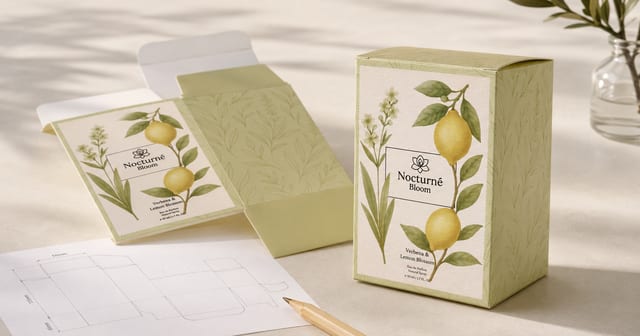
- Box style and material: retail lines commonly use white card or C1S folding cartons; premium products can use a 1.5–2.5 mm greyboard lid-and-base or drawer box wrapped in specialty paper. A tactile textured or linen-finish outer wrap helps signal the brand’s tier.
- Printing and finishing: matte lamination with spot UV or a small area of foil stamping lifts brand recognition without over-packaging. If the label has to carry a warning, make sure the cautionary wording is printed bilingually (Chinese and English) in a prominent positionsmefund.tid.gov.hk.
- Insert: glass bottles and serum vials need a paperboard or greyboard tray to hold them in place and prevent impact damage in transit. Top-heavy perfumes call for attention to the sprayer height — leave enough clearance in the insert and box height so the product actually fits.
- Logistics and sustainability: Hong Kong consumers increasingly care about cutting plastic, so avoid excessive plastic bubble wrap — switch to moulded pulp, corrugated dividers or biodegradable void fill.
Common mistakes
- Overlooking the bilingual safety label.
- Product dimensions that don’t match the insert, so the item rattles.
- Large areas of foil that add cost but hurt recyclability.
2. Food & Bakery
Regulatory essentials
Hong Kong’s Food and Drugs (Composition and Labelling) Regulations (Cap. 132W) require every piece of prepackaged food to carry seven pieces of information on the pack: the food’s name; the list of ingredients (including allergens); a durability indication (shelf life); any special storage or usage instructions; net weight or volume; the name and address of the manufacturer or packer; and a nutrition labelcfs.gov.hk. Labels may be in Chinese, English, or bothcfs.gov.hk. Failing to label as required can bring a fine of up to HK$50,000 and six months’ imprisonmentcfs.gov.hk.
Mainland China’s Requirements for Restricting Over-Packaging place limits on the number of packaging layers and the void ratio for food and cosmetics — for example, packaging may not exceed three layers; for food with a net content below 30 ml or 30 g the void ratio may not exceed 75%, and for food between 30 and 50 g the void ratio may not exceed 60%, while the total cost of the other packaging may not exceed 20% of the retail pricewastereduction.gov.hk. This standard does not apply directly in Hong Kong, but it is a useful reference for reducing waste and avoiding over-packaging.
Packaging design tips
- Material: food-grade white card (300–400 g) is the go-to material for food packaging in Hong Kong, and the inner face can add a grease- and moisture-resistant coating. Greyboard rigid boxes suit heavier or more protective products such as mooncakes and tea snacks.
- Structure: takeaway boxes can add a carry handle; gift boxes can use a greyboard lid-and-base with a paperboard divider or moulded-pulp insert to hold the food (moulded pulp costs more). Cake boxes and bento boxes should use a fast-fold structure for efficient bulk storage and easy assembly.
- Labels and imagery: the outer box must clearly list ingredients and allergens, using the required bilingual phrasing such as “consume on or before” or “best before” this datecfs.gov.hk. Avoid misleading nutrition claims.
- Logistics and cost: in e-commerce or cross-border shipping, volumetric weight is often calculated as length × width × height ÷ 5000; shaving 1–2 cm off the box height, or switching to a collapsible insert, can drop you a whole freight bracket. Following the mainland rules, controlling the number of packaging layers and the void ratio also cuts material usewastereduction.gov.hk.
Common mistakes
- Omitting the producer’s name and address.
- Not coating the food-contact face against grease, so oil bleeds through.
- A die-cut window that’s misaligned with the contents, spoiling the display.
3. Tea, Wine & Premium Gift Boxes
Regulations and trends
Hong Kong has no dedicated law for gift-box packaging, but the mainland’s over-packaging rules are a useful reference: no more than three packaging layers, packaging cost no higher than 20% of the product’s value, and limits on the void ratio for small-volume foodswastereduction.gov.hk. It is a helpful prompt to avoid over-packaging, and it applies especially to festive products such as tea, mooncakes and baijiu. The Hong Kong market is also placing more weight on recyclable or reusable materials, in line with ESG-reporting requirements and the shift toward green consumption.
Packaging design tips
- Material and structure: premium tea and spirits can use a 2–3 mm greyboard lid-and-base or drawer box. Tea absorbs moisture easily, so add an aluminium-foil bag or paper canister inside before nesting it in the rigid box. Bottles need a sloped cradle or cross-shaped insert to hold them steady against jostling. To cut over-packaging, let the gift and the main item share one insert, reducing empty space inside the box.
- Finishing: matte lamination paired with foil stamping, embossing or blind debossing creates a classical or oriental aesthetic; a textured fine-art paper lining lifts the tactile feel. Avoid laminating large areas, which hurts recyclability.
- Cost control: use the “20% packaging-cost” guidelinewastereduction.gov.hk as a yardstick — trim unnecessary multi-layer outer boxes, or use a collapsible structure to reduce shipping volume. Keep the outer box universal and swap only the insert tooling for different volumes, which reduces mould-making costs.
Common mistakes
- Piling on metal ornaments or ribbon, driving up cost and making the box hard to recycle.
- Skipping load testing on the gift box’s carry handle.
- Imprecise placement of the die-cut window over the bottle label.
4. Electronics & Appliances
Regulations and regional requirements
Hong Kong has not yet set mandatory limits on packaging layers or void ratios for electronics, but the government promotes the Practical Guide on Packaging Reduction and Management, encouraging the electronics sector to reduce over-packaging, record packaging materials and weights, and disclose packaging datawastereduction.gov.hk. The mainland and other jurisdictions (such as Korea) set strict limits on packaging layers and void ratios for portable electronics: a portable electronic product weighing no more than 300 g may have no more than two packaging layers and a void ratio no higher than 35%wastereduction.gov.hk. These rules don’t apply in Hong Kong, but they work well as a voluntary standard for cutting material use and shipping volume.
Packaging design tips
- Structure and material: retail colour boxes can use a white-card folding carton with a plastic hang tab; higher-value products are better in a 1.5–2 mm greyboard drawer box wrapped in premium paper. To prevent damage in transit, add an E-flute shipping box or air-column bags on the outside.
- Insert: a stepped paperboard insert or moulded pulp holds the product and is easier to recycle than EVA or plastic; for products with multiple accessories, use a layered tray or double-deck box for easy access. Following the Korean standard — keeping to no more than two layers and a void ratio below 35% — effectively reduces material and volumewastereduction.gov.hk.
- Record and disclosure: Hong Kong-listed companies must disclose their packaging-management strategy and waste-reduction targets under the exchange’s ESG-reporting ruleswastereduction.gov.hk. It isn’t statutory, but building a packaging database helps with future compliance and strengthens a green image.
Common mistakes
- Excessive void space, so the product is shaken and damaged in transit.
- Wrapping the outer box in multiple layers of paper — pure waste.
- No record of packaging materials, making it hard to answer regulators or investorswastereduction.gov.hk.
5. Jewellery, Apparel & Accessories
Regulatory essentials
Jewellery and accessories are general consumer goods and must meet the safety requirements of the Consumer Goods Safety Ordinance. If a product carries a warning, it must be labelled bilingually in Chinese and Englishsmefund.tid.gov.hk. For apparel and accessories, packaging mainly concerns import and export customs declarations, which require the product name and manufacturer information.
Packaging design tips
- Material and structure: jewellery boxes are usually a 1.5–2 mm greyboard drawer or flip-top box, wrapped in linen-texture or flocked paper. The insert can be die-cut paperboard faced with velvet to hold earrings, rings and the like. Fashion accessories can use a white-card folding carton with a paper sleeve or paper bag — lightweight and easy to recycle.
- Finishing: because these products are high-value, matte lamination with a blind-debossed logo or fine silver foil creates a sense of quality. Avoid large areas of velvet lining, which adds cost and makes recycling harder.
- Logistics: for online orders, use a collapsible box or mailer box, and add a paperboard brace to stop crushing. For high-value jewellery, use a small shipping box with added void fill to hold everything in place.
Common mistakes
- An insert that doesn’t fit, so the piece falls out.
- Large areas of velvet over the tray, making recycling harder.
- No dedicated slots for hang tags and warranty cards, so they look messy.
6. Supplements & Health Products
Regulatory essentials
Health supplements and nutritional supplements generally fall under the food category and must follow the food-labelling rules of Cap. 132W. Beyond the seven required items above, a nutritional supplement that makes claims emphasising efficacy must comply with the rules on nutrition claims and function claimscfs.gov.hk. If a product is classified as a pharmaceutical, it must be registered with the Pharmacy and Poisons Board of Hong Kong and display its Hong Kong registration numbersmefund.tid.gov.hk.
Packaging design tips
- Box style and material: capsules or powder sachets can use a white-card folding carton with a tear-open seal sticker; glass bottles or liquids should add an E-flute sleeve box for protection. Gift-style supplements can use a greyboard lid-and-base with a criss-cross paperboard insert.
- Labels: in addition to the food rules, print the batch number, expiry date, dosage guidance and warnings in a prominent position, and observe Hong Kong’s ban on controlled ingredients such as CBDsmefund.tid.gov.hk.
- Insert and extras: use paperboard or moulded-pulp compartments to hold the bottles, and leave a spot for a desiccant. Include a leaflet pocket inside the box noting directions for use and storage.
Common mistakes
- Forgetting to list the manufacturer and address.
- Overblown efficacy claims that can breach the regulations.
- No tamper-evident sticker or seal, so the product looks unprotected.
7. Cultural & Creative Products and Educational Supplies
Regulations and trends
Packaging for books, stationery and educational toys mainly concerns consumer-goods safety and recycling policy. Hong Kong’s consumer-goods safety rules require that, if a product carries a warning or safety instructions, these be shown in both Chinese and Englishsmefund.tid.gov.hk. Parents and schools increasingly value sustainability, so reusable or recyclable packaging becomes a selling point.
Packaging design tips
- Structure and material: teaching aids and stationery can use a book-style box or a flip-top rigid box; cards or board games use a drawer box with a die-cut paperboard divider. Use white card or specialty paper for a better writing and tactile experience.
- Sustainability: use recycled or uncoated paper and reduce plastic windows. The outer box can be designed as a collapsible or reusable storage box, extending the product’s life.
- Labels and instructions: educational products should list the suitable age, warnings and rules of play, with safety notices shown in both Chinese and English where required.
Common mistakes
- Ill-fitting packaging that lets cards fall out.
- Missing age warnings, which invites questions from parents.
- Heavy use of lamination or metallic foil that hurts recyclability.
8. Food Takeaway & Beverages
Takeaway packaging has to balance hygiene and sustainability. The Hong Kong Environmental Protection Department promotes waste reduction at source, and the catering sector should use recyclable or compostable materials wherever possible. Food-grade white card or kraft board with a grease-resistant coating is a good first choice; drink cups can be held in a paper carrier or paper bag. For catering and party orders, a “master box plus divider inserts” approach reduces packaging, and cutting the number of plastic utensils and sauce sachets — using eco-friendly tableware instead — helps further.
The Environmental Protection Department’s Practical Guide on Packaging Reduction and Management encourages the catering sector to set waste-reduction plans and disclose packaging data, demonstrating corporate social responsibilitywastereduction.gov.hk.
In closing
Doing business in the Hong Kong market means your packaging strategy has to reconcile local regulation, ESG expectations and consumer demand. Food and supplements must strictly follow the food-labelling rules of Cap. 132W, while cosmetics need to watch the bilingual-warning requirementsmefund.tid.gov.hkcfs.gov.hk. The packaging-layer and cost-control standards from the mainland and other jurisdictions offer a solid reference for reducing wastewastereduction.gov.hkwastereduction.gov.hk.
Match your packaging strategy to your own product characteristics and sustainability goals: choose paper stocks sensibly, streamline the structure, meet labelling law and control cost. Do that, and a brand can lift its product image, cut resource waste and sharpen its competitive edge.
Not sure which board weight or box structure fits your product? Printing Banana produces custom packaging boxes with delivery across Hong Kong and Macau — message us on WhatsApp at +852 3001 5678 (English is fine) and we’ll help you spec it.