Foil stamping (also called hot foil stamping) is a common print-finishing process that presses a thin metallic foil onto the surface of a printed piece using heat and pressure, adding both tactile texture and visual impact. The foil can be gold, silver, copper or other colours, depending on the material used.
Glossy gold and matte gold are two different foil finishes. A glossy gold foil has a high-shine surface — bright, reflective and eye-catching — while a matte gold foil has no obvious sheen, so it reads softer and more understated.
The main difference between the two comes down to the gloss level of the foil surface. Glossy gold has an unmistakable shine that suits pieces meant to feel prestigious and luxurious; matte gold is softer and more muted, which suits pieces where texture and detail should lead. Depending on the style and effect you are after, either finish can lift the artistic value and personality of a printed piece.
Which foil finish you choose usually depends on the type of piece, the design brief and the target market. Here are some situations where glossy or matte gold tends to work well.
Where glossy gold works well
- Luxury goods, such as high-end jewellery, watches and leather goods
- High-end paper products, such as business cards, brochures, art books and annual reports
- The wedding industry, such as wedding invitations, traditional wedding invitations and red packet envelopes
- Art pieces, design work and cultural-creative products
Where matte gold works well
- Fashion, literary and light-luxury pieces, such as fashion magazines, literary fiction and art albums
- Personalised, custom products, such as personal business cards, résumés and graduation yearbooks
- Pieces that need to foreground texture, detail and quality, such as high-end packaging boxes, sleeves and gift bags
Bear in mind these are just common examples, not hard rules. The right choice still depends on the design and style of the piece, the target market and the budget — weigh them together to land on the best visual and commercial result.
Real-world examples
Glossy gold in action
- A high-end jeweller's business card, with the logo and lettering foil-stamped to add prestige and a sense of luxury.
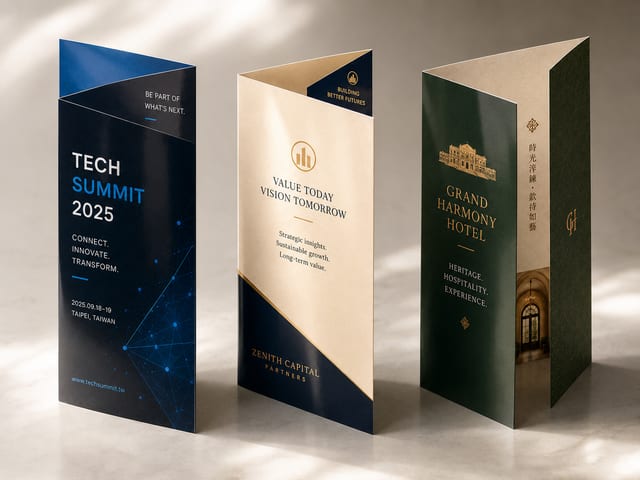
- A high-end brochure — say a luxury hotel's product brochure — with the brand mark and lettering foil-stamped on the cover to signal premium quality.
- A wedding invitation, with the couple's names, the date and other key details foil-stamped to add gravitas and occasion.
- A high-end restaurant menu, with dish names and images foil-stamped to underline their quality and premium feel.
- A luxury gift bag, with the brand logo and pattern foil-stamped to heighten the sense of indulgence.
- A music album cover, with the artist's name and album title foil-stamped to add a premium, collectible feel.
Matte gold in action
- A minimalist fashion magazine, with the brand logo and title matte-foiled to emphasise a clean, refined, high-quality look.
- A personalised business card, with the name and job title matte-foiled to highlight individuality and texture.
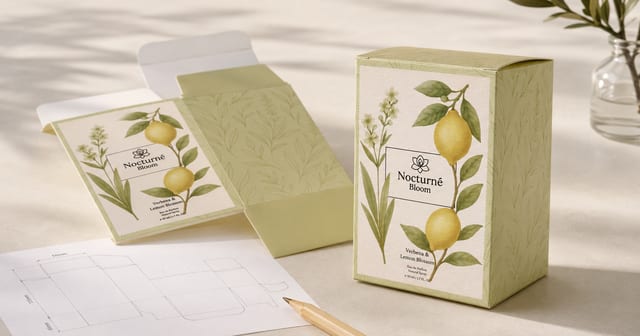
- A fine packaging box, with the product name and pattern matte-foiled to underline quality and a premium feel.
- A fine art album, with the title and cover artwork matte-foiled to bring out its texture and artistic value.
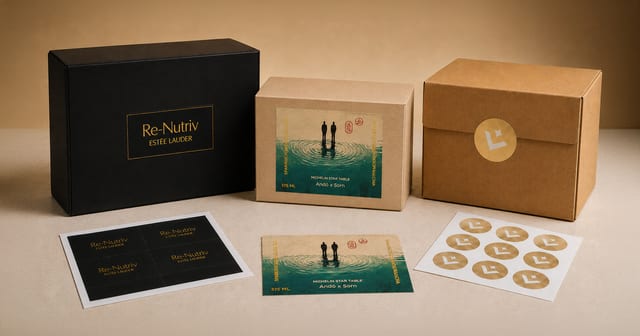
- A high-end cosmetics box, with the brand name and pattern matte-foiled to convey a premium, quality feel.
- A wedding red packet envelope, with the couple's names and the date matte-foiled to add a sense of ceremony.
One caveat: foil stamping is not a guaranteed upgrade. Not every piece looks more distinctive once foil is added, and the finish has to suit both the design and the paper stock. Choose it deliberately, with your target market and budget in mind, and weigh the design brief, the audience and the cost together to get the best visual and commercial result.
Not sure whether glossy or matte gold suits your project? WhatsApp us at +852 3001 5678 (English is fine) and we will help you decide — with delivery across Hong Kong and Macau.