You already know what a business card is. A good one earns trust the moment it changes hands, and it quietly signals who you are — your role, your standing, your position. But a card's real job is to open the door to business, and that is where its value lives. The catch: most people who receive a card never file it away with care. Plenty toss it the moment they turn around.
So how do you make a business card last longer?
Here are five printing formats you have almost certainly come across, but probably never thought to put on a card of your own. A card with a twist tells the recipient you put real thought into it — and it never feels stiff or forgettable.
Give your card one more use and its odds of survival go up. It is like carrying a second string to your bow: if one thing falls through, you are not left stranded.
When your card stands out from the stack and stays in someone's memory — a client's, a friend's — they will come looking for you the moment they need what you do.
1. The Bookmark
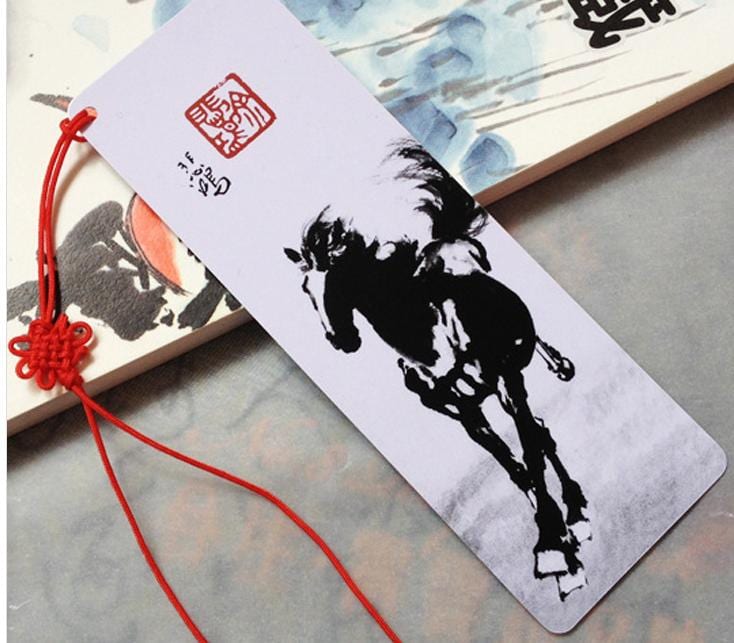
Designing your personal card to look like a bookmark is a smart move. If the person you hand it to is a reader, it earns its keep on the spot. If they are not, the card still leaves a mark in their memory. Turning a business card into a bookmark shows personality and creativity, but more than that, it lifts the card's value — it becomes something worth keeping.
People get a little thrill the first time they receive something out of the ordinary. We felt exactly that the first time we printed a bookmark card ourselves.
To get the notched "book-clip" effect, you need die-cutting. Because die-cutting carries a whole cutting-die fee, it runs expensive — and add any further finishing on top and the price of the card climbs fast.
If you want a bookmark card at a friendlier price, we suggest matte laminated cards — the result comes out both affordable and sharp.
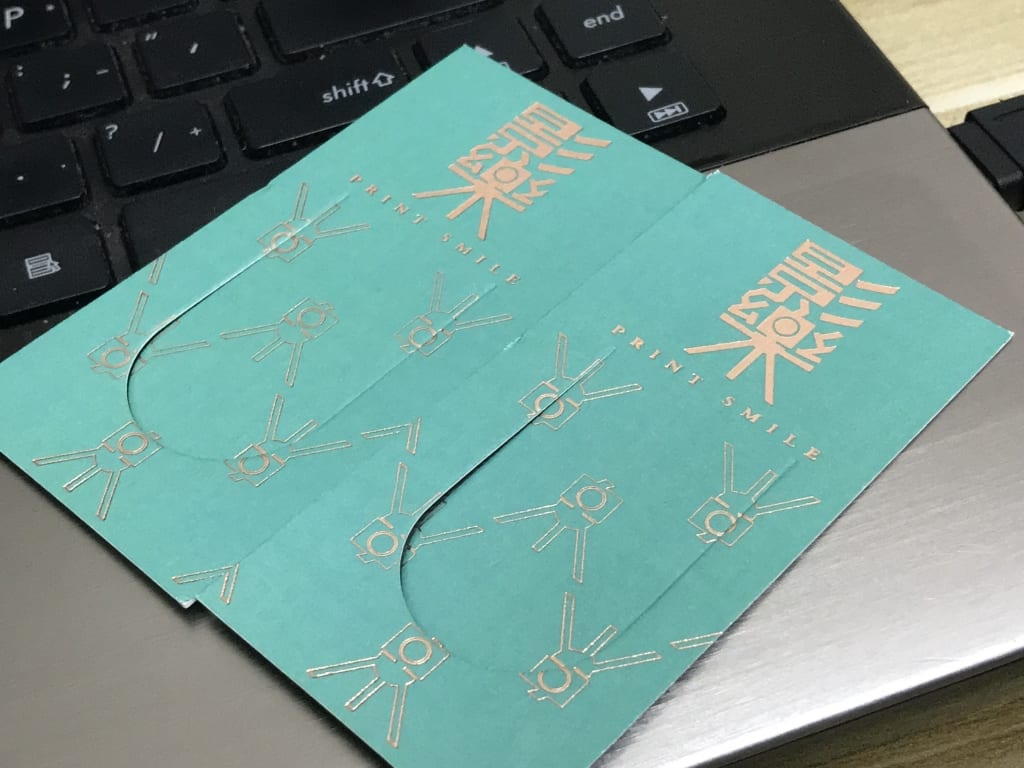
If you do not need the book-clip notch, print on a more vintage-style paper and narrow the card to 35–40 cm wide; that alone gives it a real bookmark feel.
Do note that printing on specialty paper always costs more, though the texture and grain are far more distinctive. A few stocks we would point you to: Earth paper, kraft paper, silk-cotton paper and wool paper.
2. The Loyalty (Stamp) Card
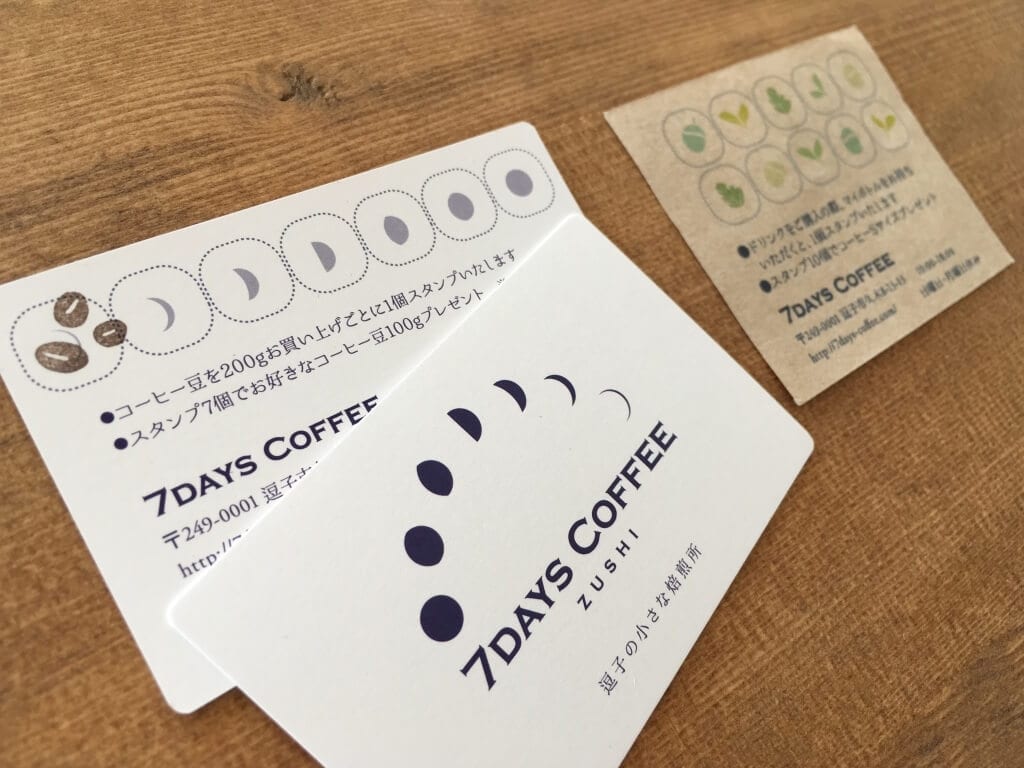
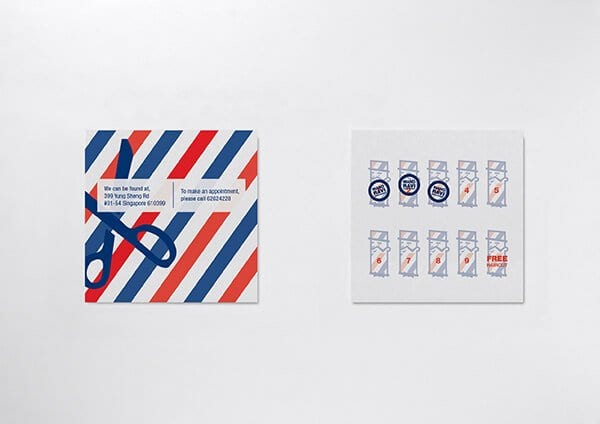
The loyalty stamp card is still a powerful offline tool. It is an old-school move, sure, but it is genuinely effective at strengthening customer loyalty and lifting repeat visits. Think of a McCafé coffee: buy one, earn a stamp; fill the card and redeem a free cup.
For a stamp card, we generally recommend printing on white card stock, because it absorbs ink better. Stamp onto a matte laminated card and the ink can smear.
A stamp card also doubles as a driver for promotions and event marketing. Print your card as a stamp card and the customer slips it straight into their wallet. The next time they need you, that card is what comes to mind — quietly planting your brand in the customer's head.
3. The Year-Calendar Card
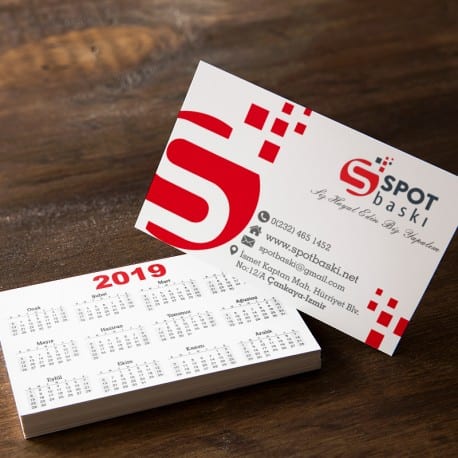
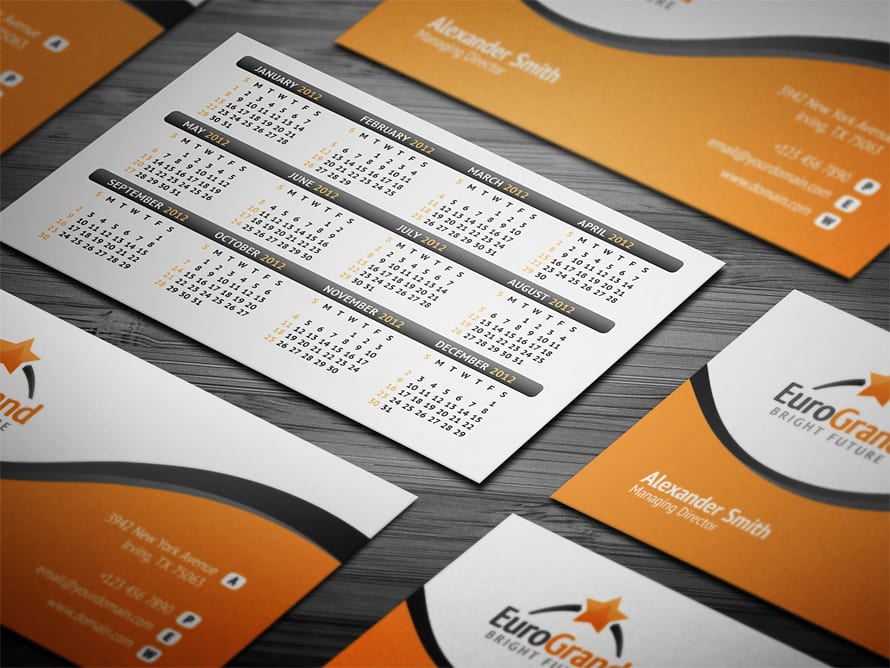
Companies often print year-calendar cards to give away as gifts — you see it most from financial institutions and banks. Made in calendar form, the card is genuinely useful to whoever receives it, and its size sits neatly inside a wallet or tucked into a planner.
At the same time, you can print your promotional message on the calendar card to boost exposure and leave a lasting impression.
4. The Ruler
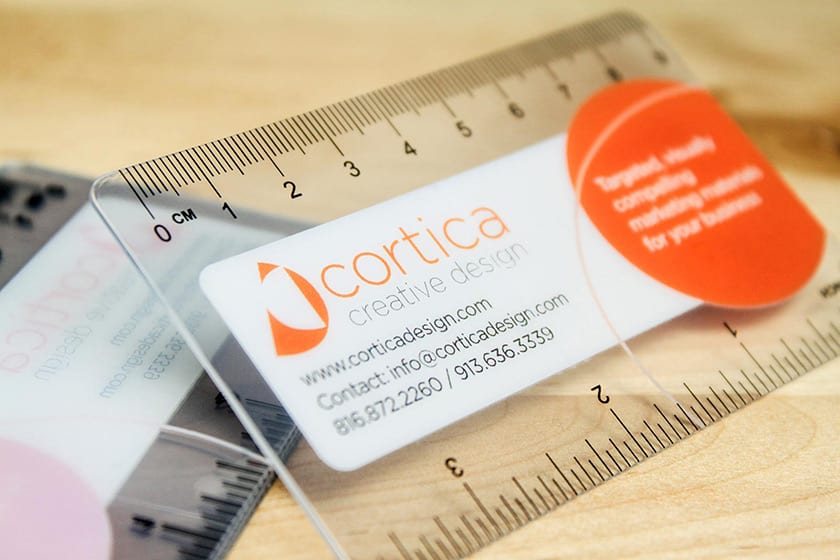
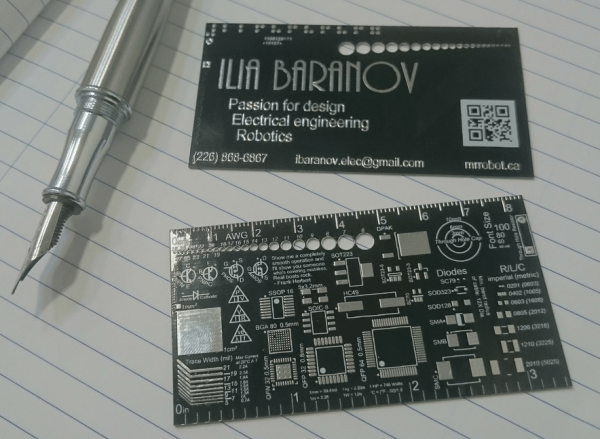
A ruler card is a very practical design. For trades that constantly deal in measurements — construction, interior design, renovation — a ruler card is highly on-brand. And the design is not complicated: you simply add a scale along the long edge.
To give a ruler card more character, consider printing it on transparent PVC cards or metal cards — the client who receives it will be all the more delighted. If you print on paper, go for a thicker, stiffer stock, such as cotton card or 400gsm white card — anything 400gsm and up.
5. The Bottle Opener
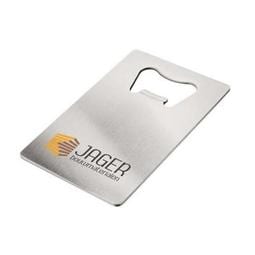
A bottle opener built into a business card — have you ever seen that one?
The bottle-opener card is one of my personal favourites. Keep one in your wallet and you are ready whenever there is drinking to be done.
Print a bottle-opener card on paper or plastic stock and you get the look but none of the function — so it has to be a metal card. Metal cards are fairly rare on the market, mainly because they are costly to make. But if your industry earns well and your clients are the distinguished sort, a metal card is the obvious choice. On top of that, a functional metal card carries even more keepsake value for the person who receives it.
Beyond the standard fixed size and function, a business card can live on all five of these formats. Want to print one of them? We deliver across Hong Kong and Macau, and English is fine — message us on WhatsApp at +852 3001 5678 and we will craft a one-of-a-kind card built around your brand.