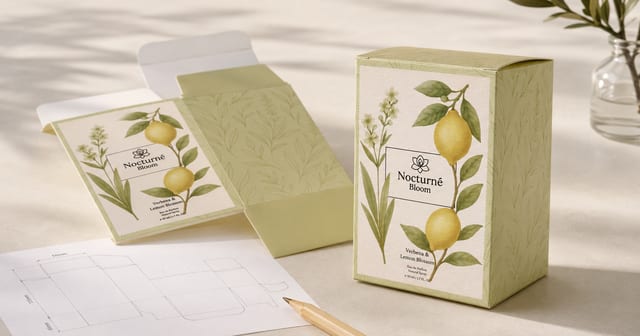
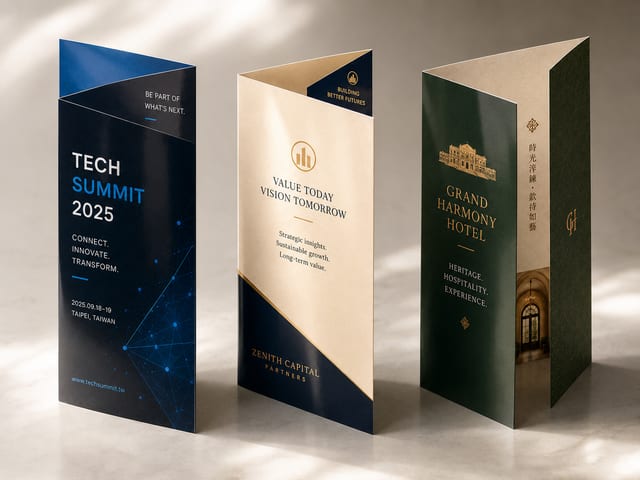
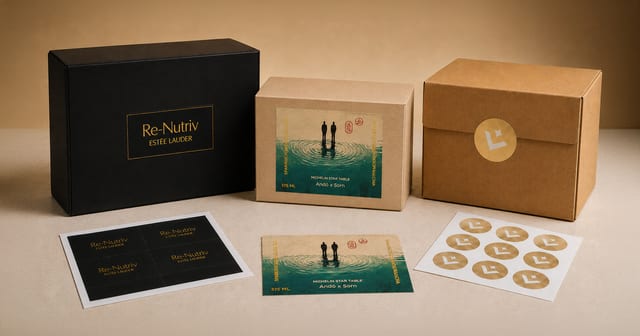
Governments and big corporations alike are pushing sustainability harder every year, and a growing stack of green policies is coming with it. To keep up, it pays to understand eco-friendly packaging properly. Greener print has always cost a little more — think FSC-certified stock and soy-based inks — so does going eco automatically mean paying a premium, and how do you balance sustainability against function? Here's how to choose the right paper packaging for your brand.
Why eco-friendly packaging matters now
As pressure on the planet's resources grows, society is paying far more attention to sustainability. Businesses increasingly need to understand ESG (Environmental, Social and Governance), while consumers switch to eco-friendly straws, cups and more. We see it in the enquiries that come our way, too: the demand for greener packaging keeps climbing. Packaging with a genuine eco element doesn't just meet what customers now expect — it lifts your brand image and sharpens your competitive edge. The trade-off is that printing costs run a bit higher, so it's worth weighing the options from a few different angles.

Choosing the right eco-friendly packaging solution
When you're picking an eco-friendly packaging solution, it helps to look at it from several sides so the result is both effective and fit for purpose.
1. Choosing the material
Choosing an eco-friendly material is the first step towards any sustainability goal. A few options worth considering:
- Paper: compared with most other packaging materials, paper of any kind is a solid eco choice — paper boxes are usually both recyclable and renewable.
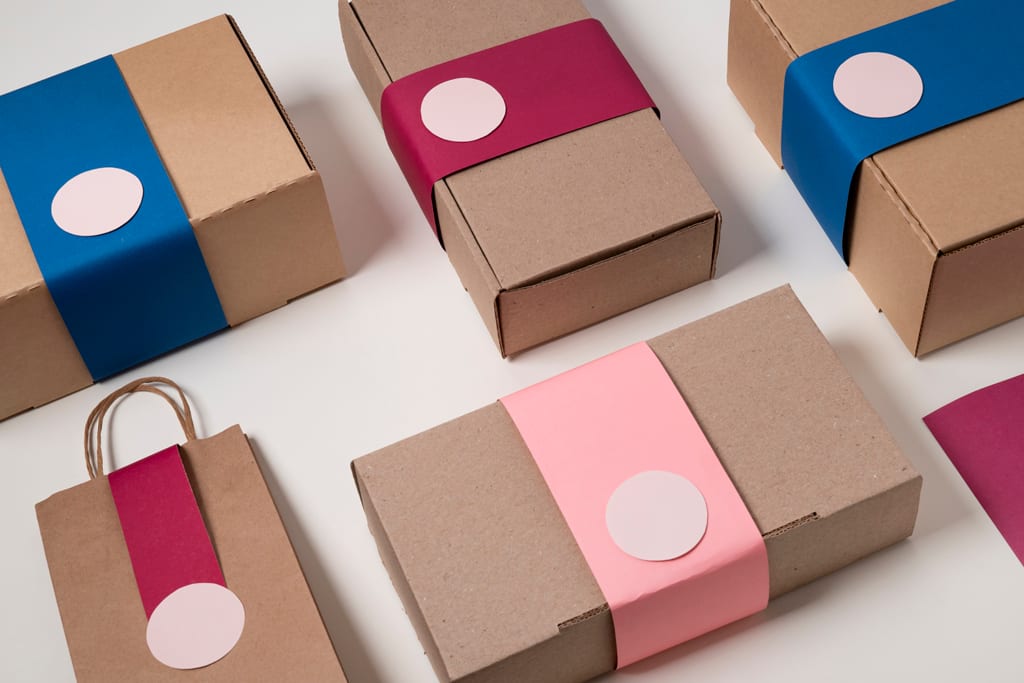
- Kraft paper: made from virgin pulp or natural wood fibre. Because it isn't bleached, kraft keeps its natural wood-brown colour, and skipping the bleaching step means less impact on the environment — which is exactly why kraft is often called an eco paper.
- FSC-certified paper: paper carrying the FSC label is overseen by the FSC so that both its production and its printing meet the FSC's environmental standards. Think of the FSC as the gatekeeper of the forestry world — through its platform you can trace a sheet of paper right back to its source.
2. Weighing up function
Beyond sustainability, how the material performs is one of the key factors in the decision. Match the packaging to the characteristics and needs of the product itself.
- Protection: choosing a material that shields the product from damage is essential. Fragile or easily damaged items, for example, need a material with good cushioning, such as kraft corrugated board. For other protection requirements, just ask us — we can advise based on your actual situation.
- Print quality: how packaging prints matters a great deal for brand image and product promotion. Choose paper stocks that reproduce well so artwork and text stay sharp and colours stay vivid. You can also reach for papers with different textures and finishes to create a completely different feel.
3. Balancing cost
Alongside sustainability and function, cost-effectiveness is another important factor. Consider both the price and the availability of a material so your chosen solution fits your budget and your production needs.
Do you actually need the FSC label?
If traceability isn't a requirement, you can skip it. The FSC label exists independently for each individual batch of paper, and every print run has to be declared to the FSC — which adds both cost and time. Without any extra processing, most paper is already eco-friendly and meets environmental requirements anyway.
4. Other ways to make packaging greener
On top of choosing an eco-friendly material, there are other strategies you can put into practice:
- Use less packaging: cutting out overpackaging is both greener and cheaper, reducing resource use and waste. For instance, a paper roll can stand in for a packaging box.
- Design for reuse: packaging built to be reused keeps materials in circulation — think durable formats and materials that can be used again and again.
- Offer recycling and reuse: making it easy to recycle or reuse encourages customers to take part. Set up a collection point, say, or provide a simple recycling guide.
Sustainability isn't a slogan — it takes real action
Choosing the eco-friendly packaging that's right for you means weighing sustainability, function and cost together. Pick the material that suits your product's characteristics and needs, and layer in the other green strategies above. Done well, this doesn't only meet environmental requirements — it meets what your customers expect, lifts your brand image and strengthens your position in the market.
If you have more questions about eco-friendly packaging or want tailored tips and advice, get in touch and we'll gladly help you work through it. We deliver across Hong Kong and Macau, and you're welcome to WhatsApp us at +852 3001 5678 — English is fine.
Going green with your packaging is a smart decision: it's good for the planet, and it can open up fresh opportunities for your business.