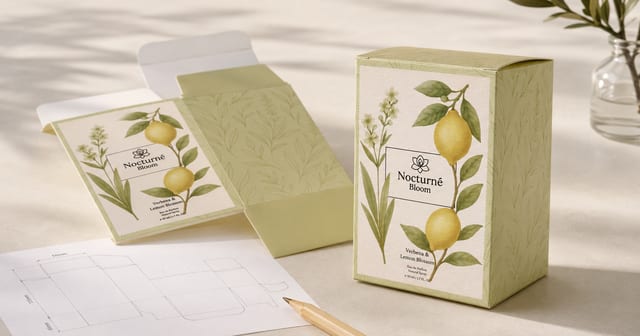
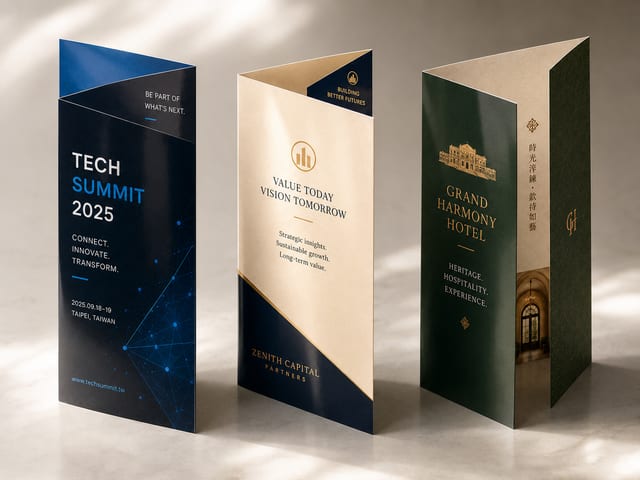
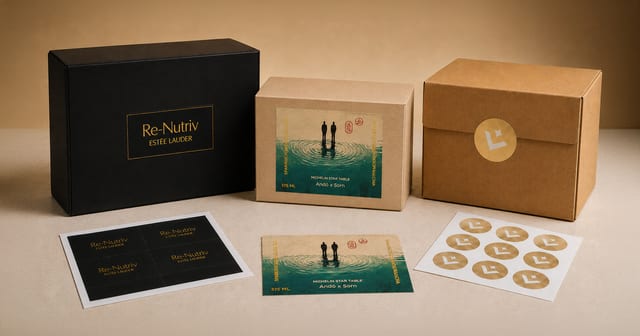
If you print business cards often, you have probably wondered how each finishing effect is actually made. This guide walks through how foil stamping works, from start to finish. Its proper name is foil stamping (燙電化鋁 — literally hot-pressing electrochemical aluminium), and as we've explained before, the foil is aluminium, not gold. It gets called “gold” stamping simply because gold and silver are the most common colours, so people loosely say foil stamping, hot stamping, or gold-foil stamping.
Foil stamping is one of the most common finishes you will see in print. Book covers, property brochures, business cards, flyers, packaging — all of them turn up with foil in every colour imaginable. Most people are curious how a print house presses that thin metal film onto paper, so here is the whole process without you ever having to set foot in the factory.
We have put together an animation to make the principle and the flow easy to follow.
1. Getting Ready to Foil Stamp
1.1 The material. Whatever you want to stamp — the paper stock (glossy art paper, C1S ivory board, white card) or a non-paper substrate such as plastic, wood, or fabric.
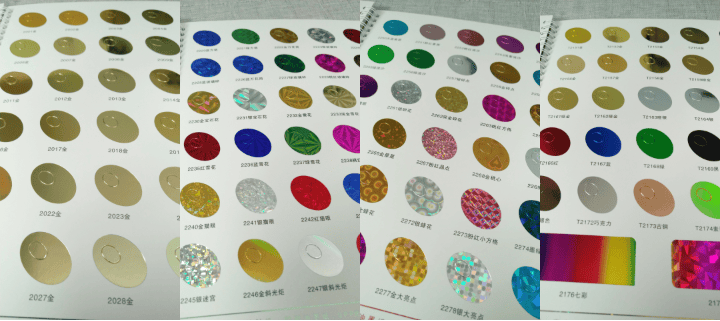
1.2 The foil (electrochemical aluminium). Commonly called foil paper or gold-foil paper. The colours are set by the foil manufacturer — reds, blacks, blues, purples, greens and more — and the gold family alone runs to dozens of finishes: bright gold, matte gold, light gold, champagne gold, plus special effects like quicksand and laser gold. Because every supplier's gold is a little different, the best way to match a specific gold is to send us the finished piece so we can proof against it.
1.3 The foil die. First the artwork is engraved onto a metal plate — the black artwork you draw in Illustrator is exactly what is used to make that plate — and the raised image on the die is what gets pressed into the material. Foil dies are usually cut from zinc, magnesium, or copper.
2. Foil Stamping Is Just Like a Company Chop
Here is a simple analogy: foil stamping works just like stamping a company chop. You take a chop engraved with the company name, add ink, and press it firmly onto the paper.
The principle of foil stamping is the same: the foil die is the chop, the electrochemical-aluminium foil is the ink, and pressing the foil hard onto the paper is what completes the stamp. Easy enough to picture — now for the more technical version.
3. The Foil Stamping Process, Step by Step
Figure 1. The foil is placed between the paper and the foil die.
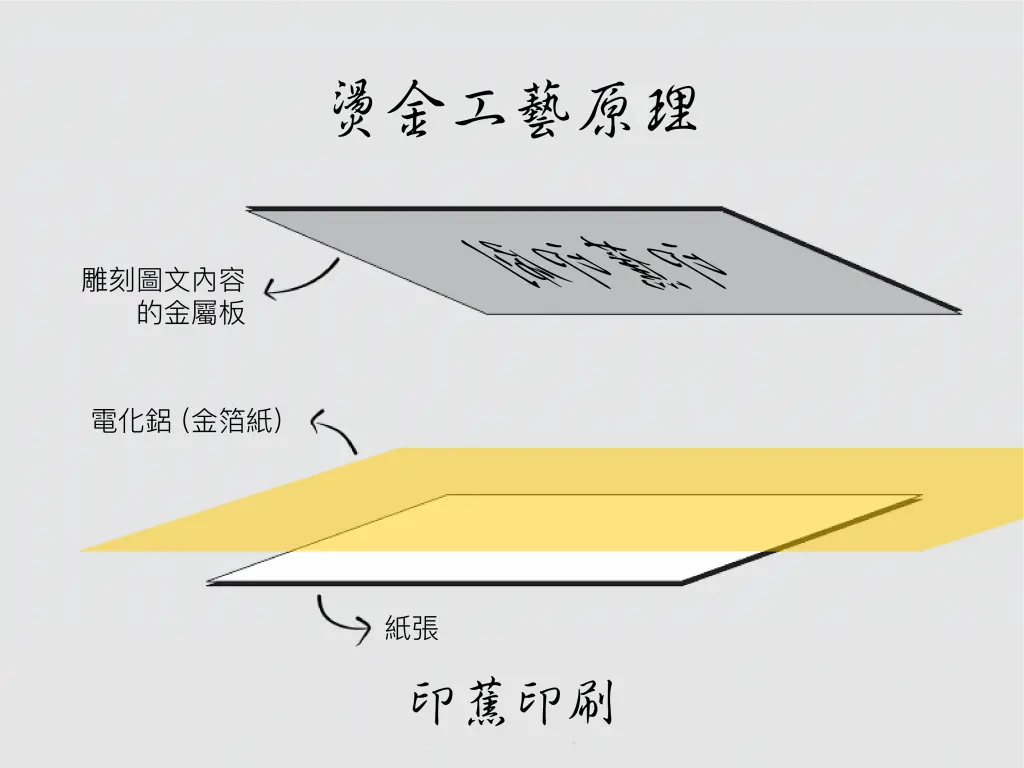
Figure 2. The die is heated to roughly 100–150°C and pressed down; once it meets the foil, that pressure carries through to the paper.
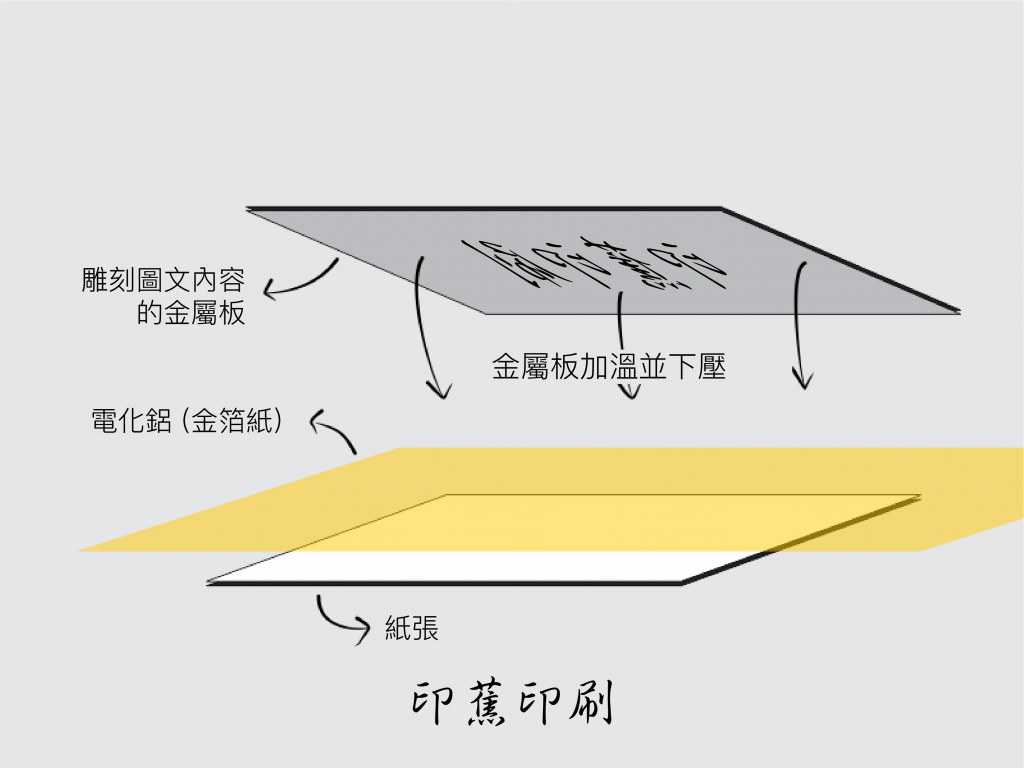
Figure 3. The image on the die makes full contact with the paper.
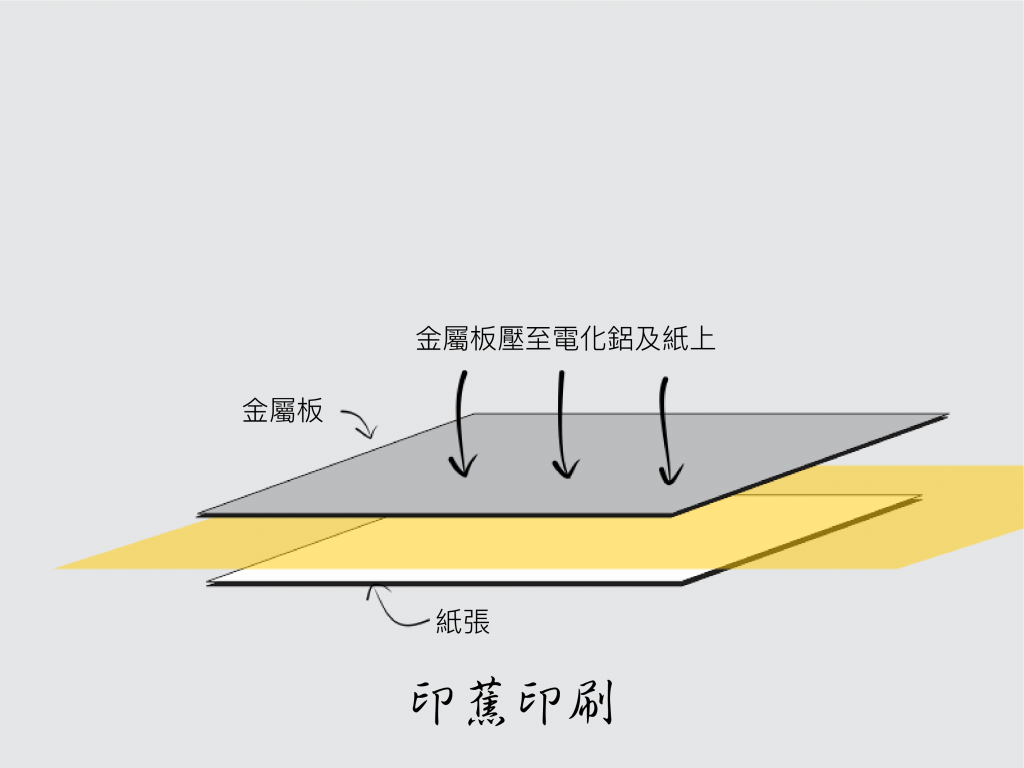
Figure 4. The die lifts away.
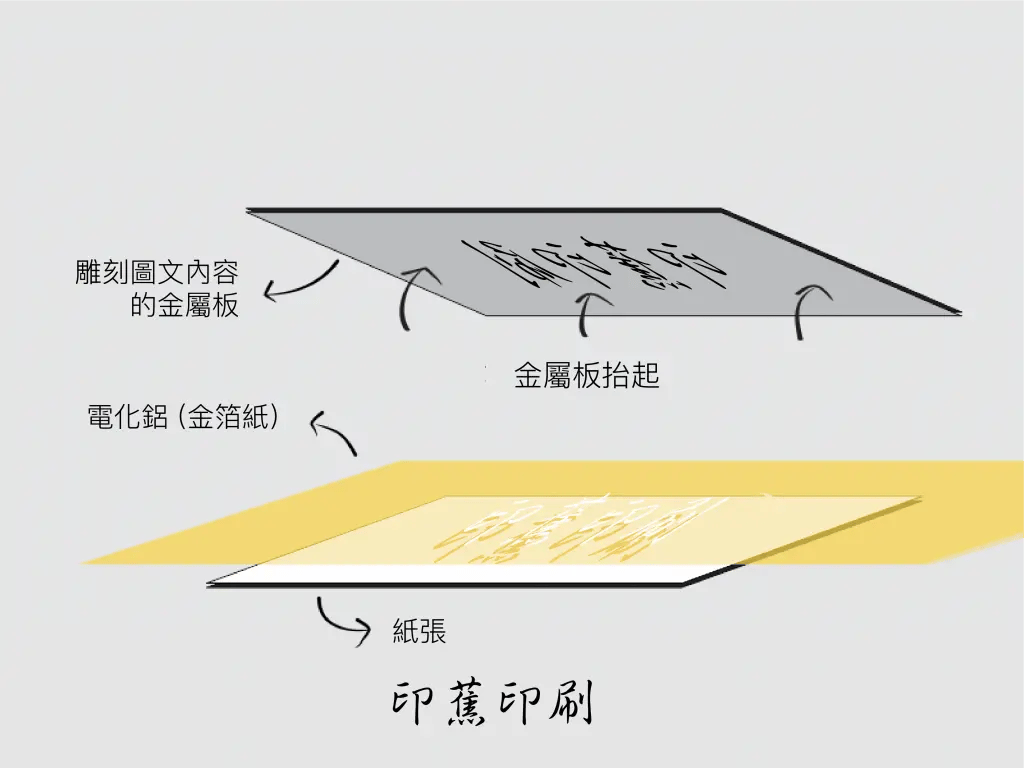
Figure 5. Under the heat of the metal die, the coloured layer of the foil releases wherever it touched the die's image and transfers onto the paper.
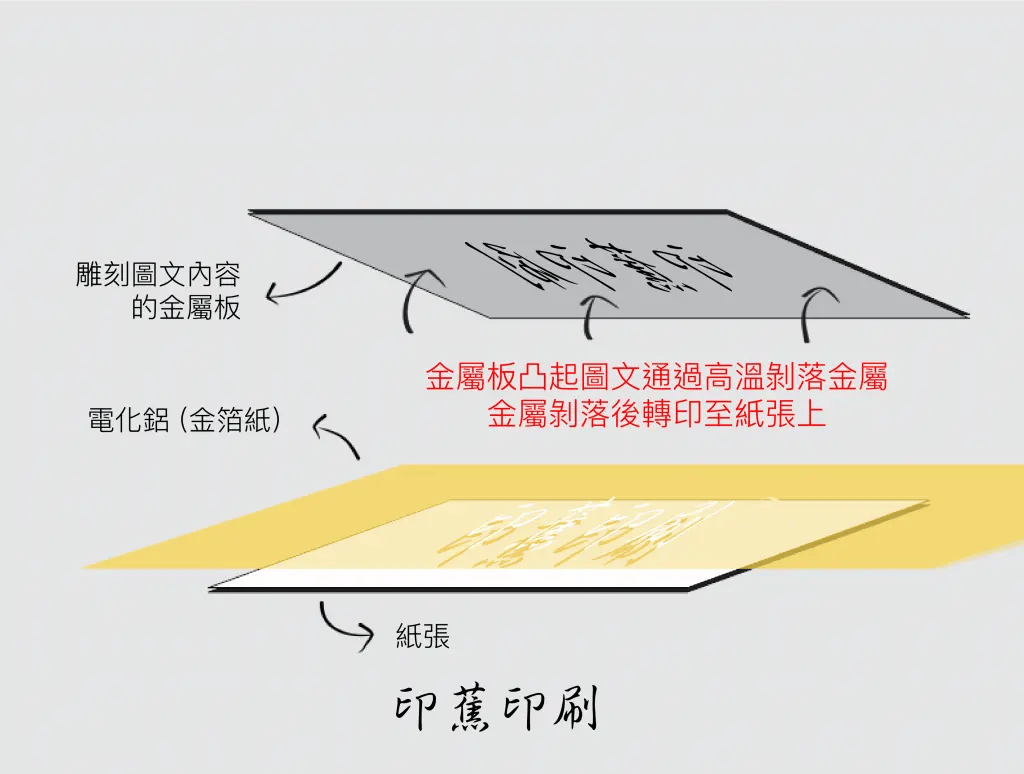
Figure 6. The spent foil web — everything that did not transfer — is pulled away.
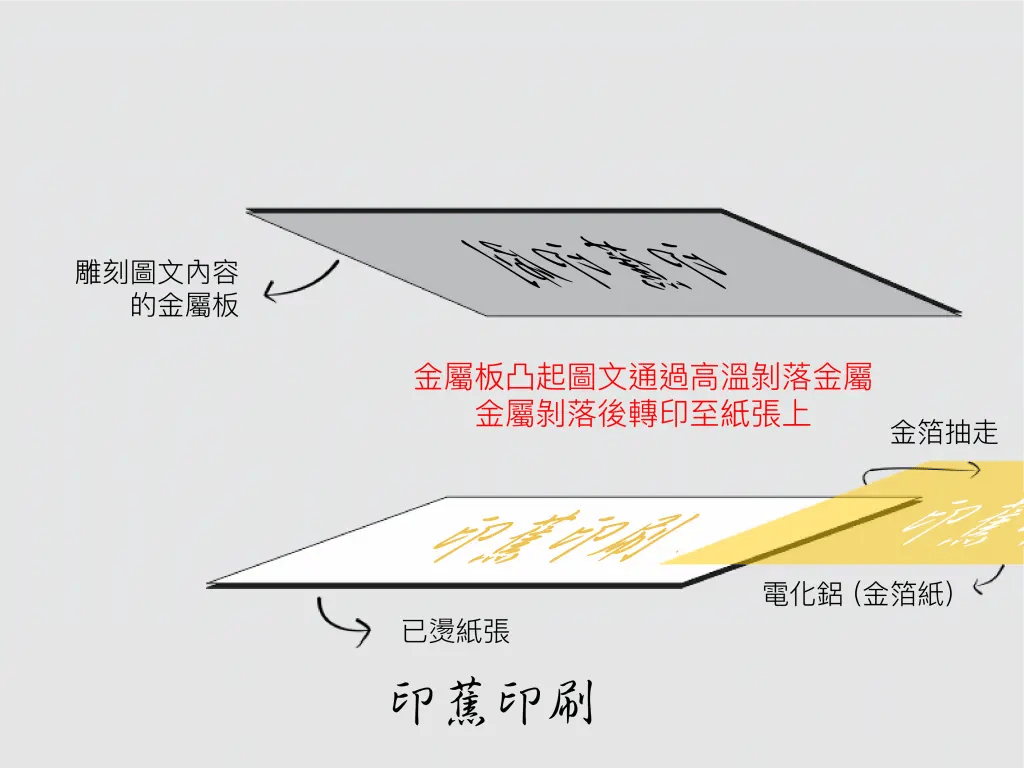
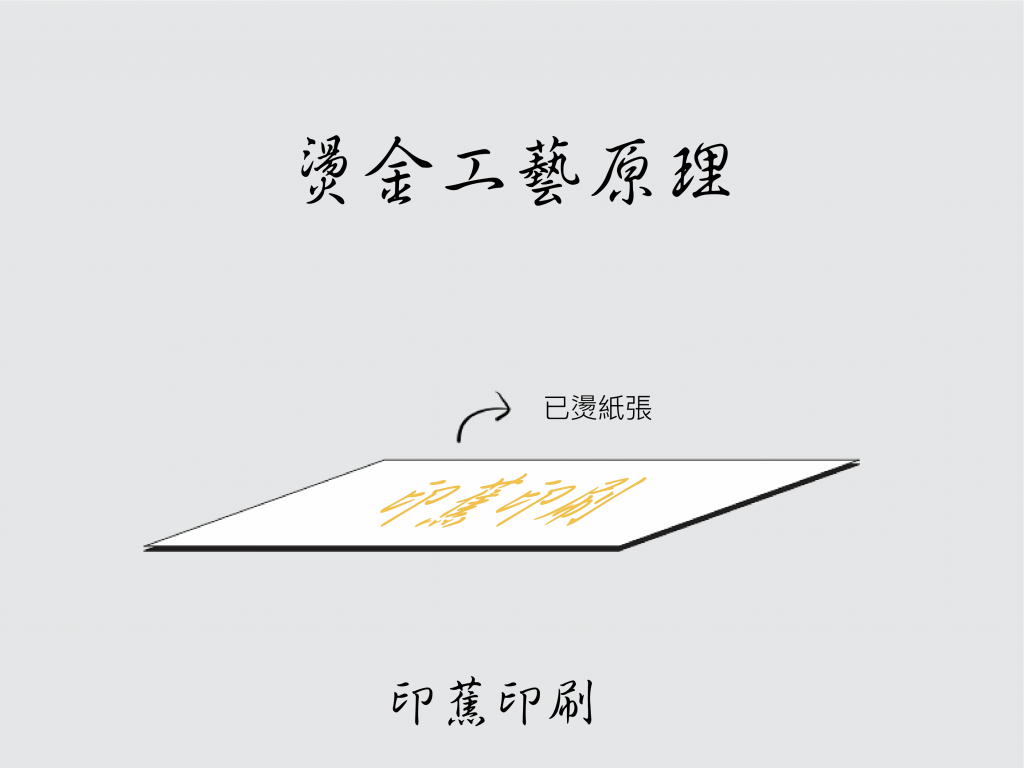
Figure 7. The finished foil effect is left on the paper.
4. Key Takeaways
1. Like a chop, the foil die has to be engraved in mirror image so the stamped result reads the right way round.
2. Your design must include a black artwork layer marking exactly where the foil goes — skip it and the odds of an error go way up.
3. Very small or very thin type is hard to engrave, and a foil die is no different: tiny text demands a print precision the process cannot really hold, so it tends to come out badly.
Further reading: Foil Stamping: A Complete Guide to Printing, Artwork Prep and Applications
4. Different die materials hold different levels of detail — fine-engraved copper and etched zinc are not equal on precision.
5. Different stroke weights and different specialty papers call for different temperatures and different foils. As a designer you just follow the guidelines we give you and leave the rest to the print house. The one thing to remember: insane levels of detail are always possible — you just pay an insane price for them.
Want the gold to land exactly right? Send us your finished piece and we will proof the foil against it, and we will walk you through the artwork setup so the die comes out clean. We deliver across Hong Kong and Macau — message us on WhatsApp at +852 3001 5678 (English is fine).