Whether a flyer pulls in the customers you're after comes down to two things: how it's designed and the message it carries. So what actually makes a flyer succeed? Is it enough to slap on a product blurb, a price cut and a discount offer to catch someone's eye and get them spending? If cutting and pasting were all it took, graphic designers would have a much easier life. The real point of a flyer is to attract your target customers, spark their interest in your product or service, and give them a clear signal about what to do next.
A professional, effective A4 flyer is far more than a single sheet of paper — it needs a solid promotional strategy behind it. If you want to keep costs down and design it yourself, the tips below will help you refine your flyer and make a stronger impression.
Of course, if you don't have time to dig into this and you've got the budget, you can always bring in a professional design team to handle it for you.
But if you'd rather design it yourself, these six tips will help you produce a professional flyer.
Have a printing question? Email us at ask@printingbanana.com.
Tip 1: Lead with the benefits, not blocks of text
Unless your company is as well known as Apple or Google, nobody really cares who you are. What people want to know is what product or service you can offer them.
"What are you offering? Why should I buy from you? And what do I get out of it?"
That is exactly what your flyer needs to answer.
Your flyer copy has to be clear and easy to understand. Surveys show that most people are put off by a big wall of text, so avoid long paragraphs. A flyer is there to grab attention and spark interest, so readers want to find out more on their own. Short lines or bullet points that highlight the key message work far better.
If you really must use a lot of text to explain your product or service, break the paragraphs up with subheadings, images and differently coloured type, so it doesn't read like a dense, overloaded article. It's also a good idea to put your website on the flyer — that way, when readers want to learn more, they know exactly where to go.
Tip 2: Use real photos, skip the clip art
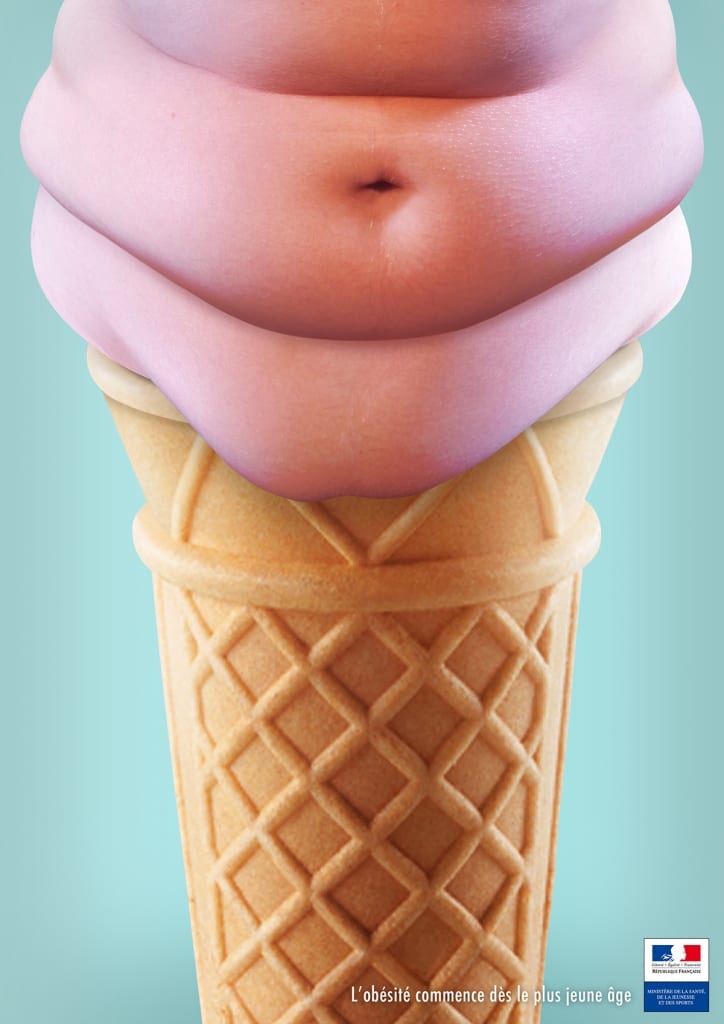
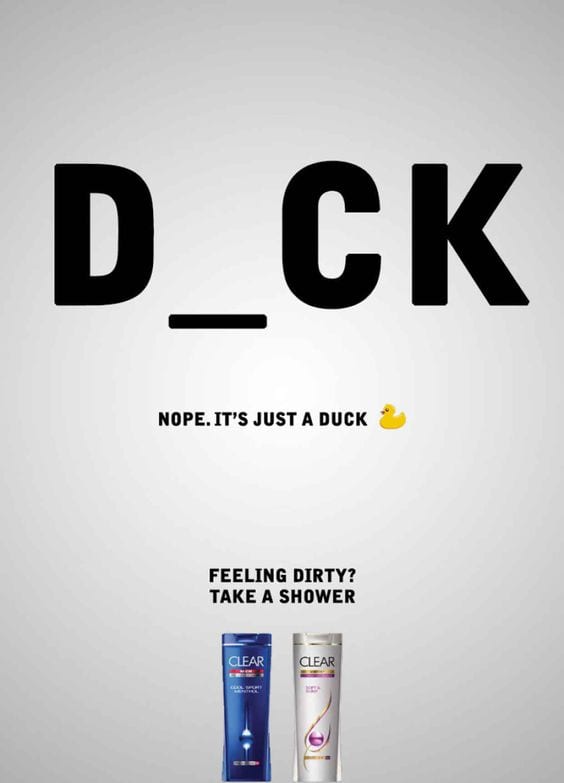
An interesting image will draw people in and make your flyer hard to forget. Creative, fun, visually strong flyers are also the ones most likely to get passed around, so a good image is well worth investing in.
To save time and money, some small businesses reach for clip art. For a student project that might well add some polish and presentation value, but from a business point of view, clip art damages your professional image.
Be careful with images pulled from a Google search, too — they raise copyright and low-resolution problems. The copyright holder has every right to demand you stop using the flyer, and can take further legal action.
So if not Google images or clip art, what should you use?
There are plenty of paid stock-image sites to download from. With paid images you don't have to worry about copyright, and you get a huge range to choose from.
Tip: shoot your own photos
Your own photos capture the strengths of your product or service best, because nobody knows how to show them off better than you do. Set up your lighting and your scene, and taking professional-looking product shots for your flyer isn't hard at all.
And if you need to fine-tune the results, Photoshop can help you polish the photos.
Tip 3: Add action words and a clear next step
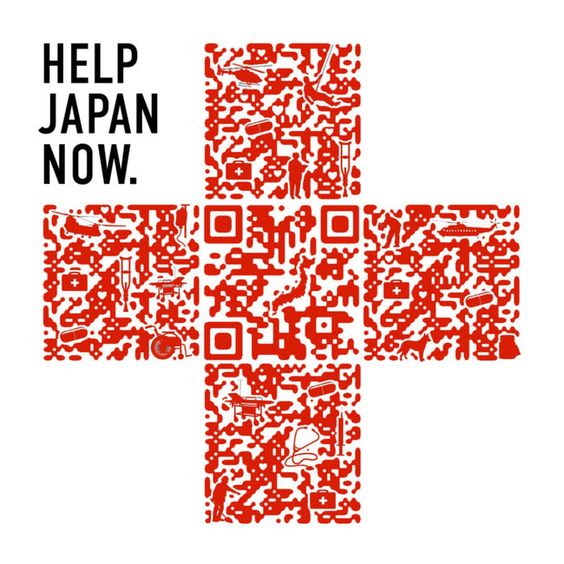
To make your flyer work harder, add action words and a QR code. Through the QR code or the action words, you can capture the reader's next move and collect more of their details.
To nudge readers toward that next step, eye-catching words to reach for include: free, reward, earn, easy, enjoy, exciting, exclusive, premium, extra, fast, learn, money, secret, new, save and special.
Tip 4: Use white space, don't cram in extra information
A flyer only has so much room, and too much text or too many images makes it feel cramped, which makes readers hesitate. Leaving enough white space helps readers take in the message faster and keeps the focus on your flyer's highlights.
Tip 5: Give the call to action a strong position
A flyer's main job is to drive sales, so it has to include a call to action that directly encourages people to take the next step. Never phrase it indirectly, or it will backfire. "For more information, please call us …" is a passive call to action. A flyer like that won't spark any interest — you need to spell out clearly how to take the next step.
For example:
- Register as a member at Printing Banana before 31 August 2017 and get 100 business cards free.
- Spend a total of HK$10,000 at Printing Banana now and get a free upgrade to preferred member status for six months.
Tip 6: Focus on building leads and driving purchases
Not everyone who receives a flyer buys straight away, so collecting customer details really matters. Use your flyer to find potential customers, then turn them into loyal ones. The key purpose of a flyer is to capture the people who are interested in your product or service.
Say you run a carpet-cleaning business. Some people will call the moment they read your flyer and book a clean. Others might spend months deciding whether they need the service. We'd suggest adding some professional advice to your flyer — for example, tips on removing red-wine stains, or advice on dust mites and allergies. The advice should be relevant to your industry, which helps build your pool of leads. And customers should have to give an email address or phone number in exchange for that advice. Once you have their email or phone number, you can stay in touch with these potential customers.
Then, when they do need their carpet cleaned, they'll remember you. Adding a QR code that links to a sign-up page on your website makes them even more likely to buy.
Once your design is ready, Printing Banana can print your A4 flyers with delivery across Hong Kong and Macau. Have a question? WhatsApp us at +852 3001 5678 — English is fine.