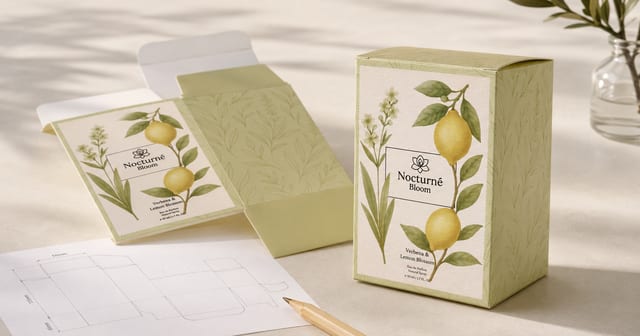
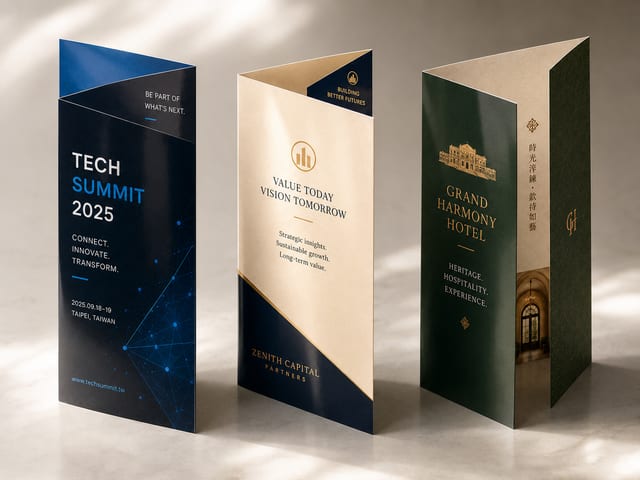
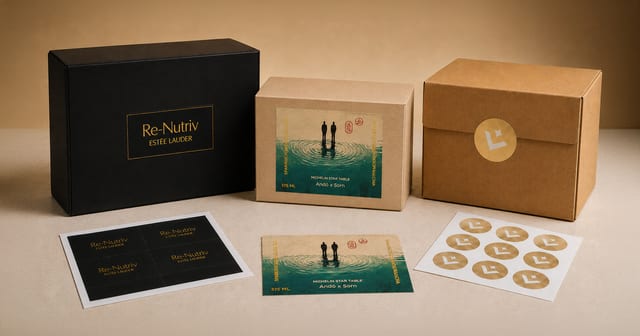
Walk down almost any street in Hong Kong and you are surrounded by large-format printed graphics — bus advertising, MTR lightbox films, shop-window stickers and more. As clients demand richer colour and higher quality, vivid, luminous UV printing has steadily become the go-to choice for advertisers and their agencies. Given how much of what you see every day is UV work, the demand is clearly enormous. So where do its advantages actually lie — and is the higher price worth it?
What is UV printing?
UV printing is a process that dries and cures the ink using ultraviolet light. It relies on inks containing photo-initiators, paired with UV curing lamps that harden the ink the moment it is laid down. UV inks now span offset, screen, inkjet and pad printing alike.
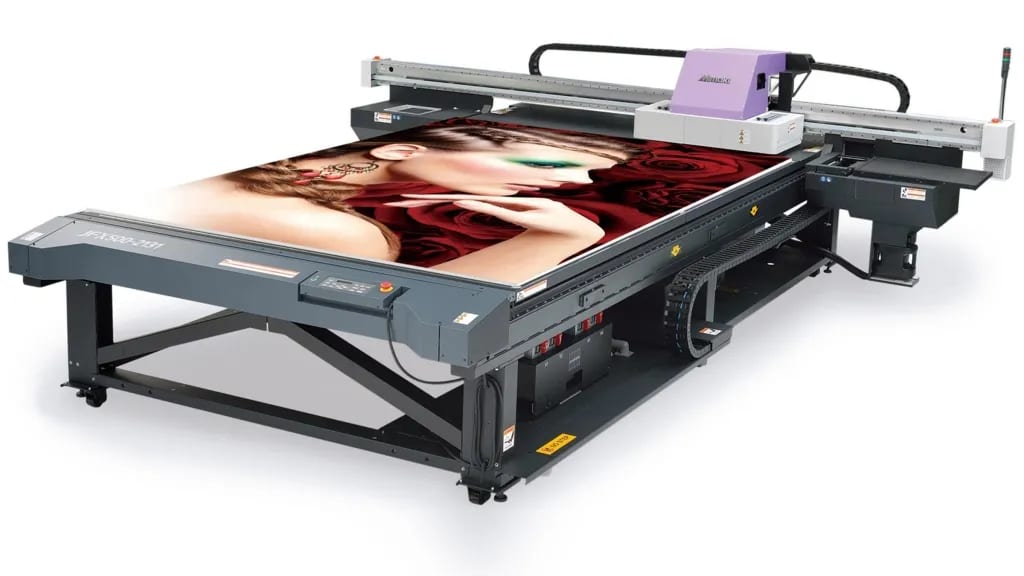
1. UV prints on almost any material
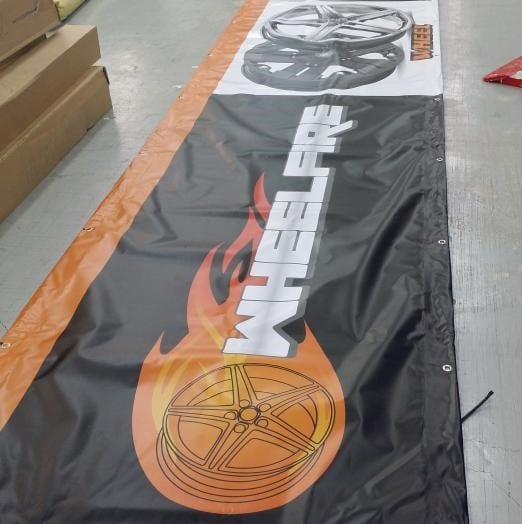
UV printing works across an unusually wide range of substrates — PE, PVC, PP, metal, leather and more — which is why more and more companies are switching to it. Traditional large-format machines are constrained by material: not every surface can go through them. UV, by contrast, can be printed on virtually any material, and it does so quickly, with high precision and excellent consistency. It matches or beats ordinary printing on every front, which is why it has spread so widely across so many industries.
2. UV colour outperforms traditional inkjet
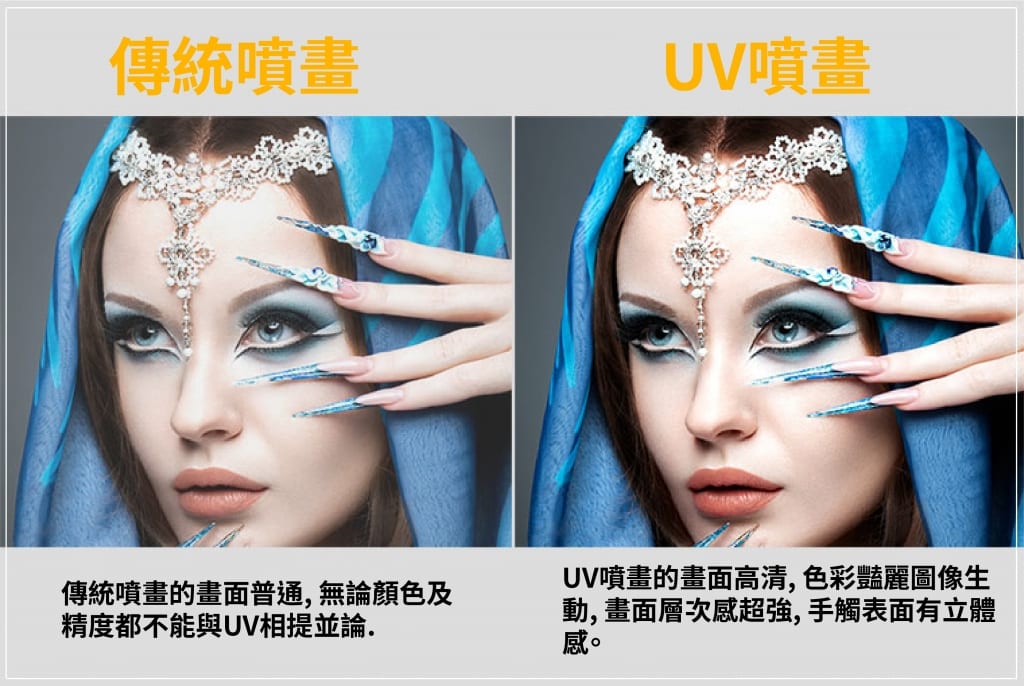
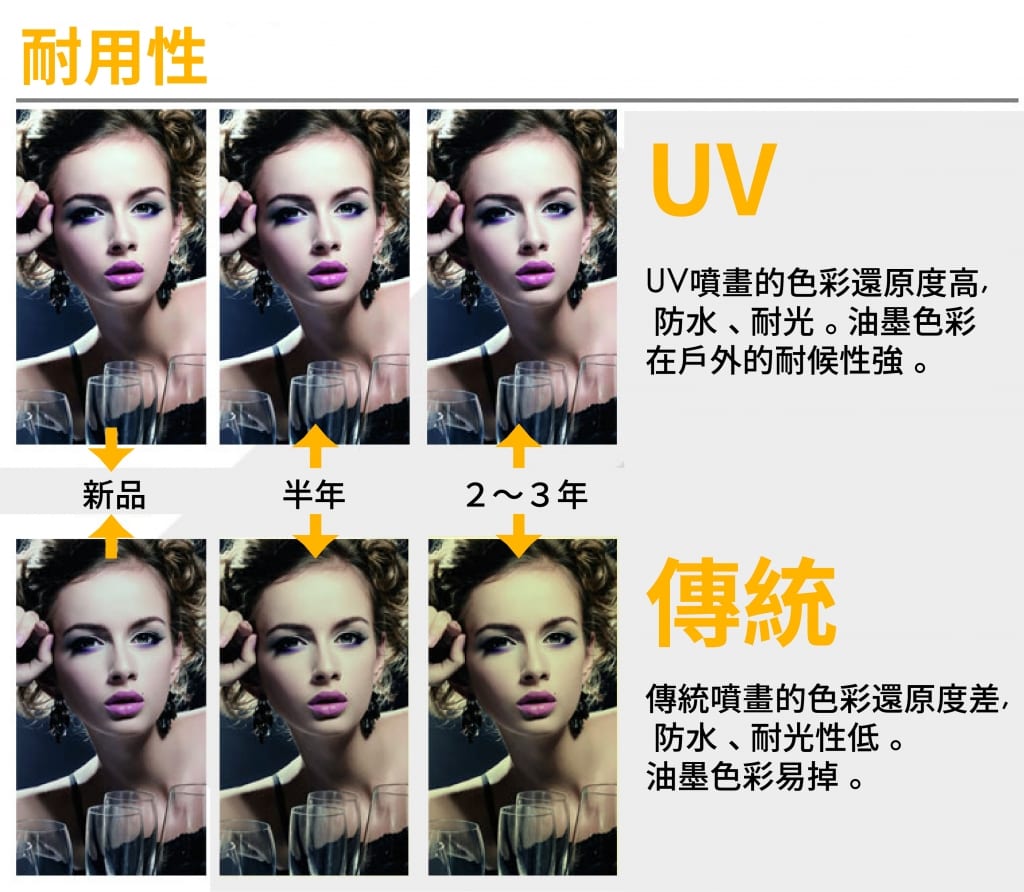
UV-printed work has a stronger sense of depth and richer, truer colour. It also fades far more slowly, which is a real advantage for the large outdoor advertising that has to hold up over long stretches. Most importantly, UV inks are both UV-resistant and waterproof, so indoors or out the graphics stay fade-free and durable for the long haul.
3. UV printing is faster
Traditional inkjet printing uses water-based, eco-solvent or solvent inks, all of which have to air-dry on the surface of the media after they are printed. That drying is sensitive to temperature and humidity — in Hong Kong's damp climate especially, prints can take a long time to dry, sometimes needing a heat dryer to finish the job. UV printing skips all of that: a synchronised UV lamp cures the ink the instant it hits the material. Drying is near-instant and printing is fast, so the job is ready to collect straight off the machine with no long wait — saving both time and labour cost.