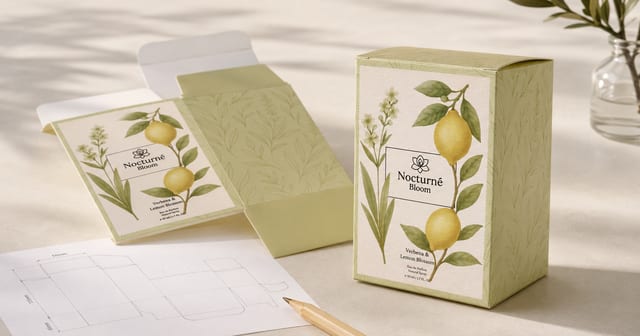
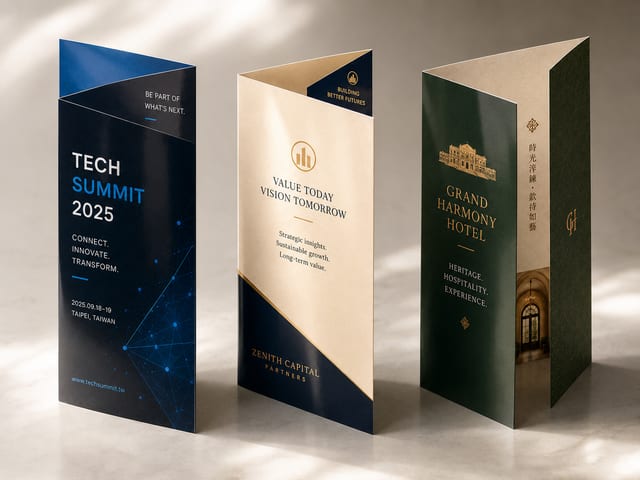
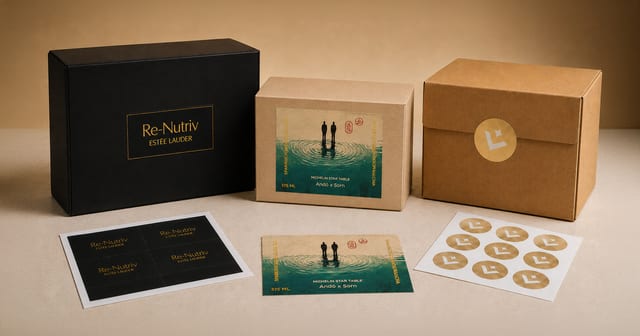
Most people picture a "UV card" as one with a UV film added over a specific spot — a clear, colourless coating that sits on the surface, catches the light and gives that area a glossy shine. But is UV ink the same kind of product as a UV film? And if UV ink is transparent, how can it possibly be used to print? Here's what UV actually means in printing.
UV coating on cards
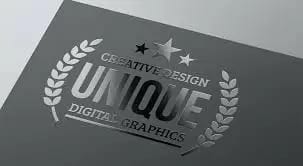
Adding a UV film to specific areas of a card — spot UV, or UV coating — technically means applying a clear, colourless light-cured varnish to the surface of the printed piece. A machine lays the varnish down on fixed positions, dropping it like beads of water onto the matching spots. The coating is then exposed to UV light, which cures and hardens the surface, forming the slightly raised film you can feel on a UV card. We recommend running spot UV on matte-laminated cards, because their water-resistant surface won't soak up the varnish — absorption would leave the gloss looking flat.
UV ink printing
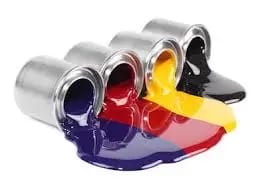
Because UV-coated cards are far more common than UV ink, the two often get lumped together — and with so much jargon floating around online, it's easy for an outsider to lose track of what UV printing really is. UV ink is ordinary ink with a reactive agent added that responds to UV light. During the run, the press adds a step that exposes the ink to ultraviolet light, drying it in a fraction of the usual time. That shortens the print process and speeds up turnaround. And because the ink dries so quickly, the printed surface stays very smooth, which greatly reduces the chance of ink bleeding.
Where UV ink is used
UV ink will adhere to almost any surface — including, but not limited to, plastic, PVC, glass and metal. When you need to print on a coloured substrate, you can lay down a base of UV white ink first so the printed colours stand out more. UV printing removes the limits on what you can print on, and the finished colours are hard-wearing and high in gloss, with rich saturation, crisp ink dots and clean quality. Because it speeds up the whole production process, more and more people are turning to UV printing.
The advantages of UV ink
Fast drying, high ink quality
Under UV light, UV ink cures completely in anything from a tenth of a second to a few seconds. That guarantees there's no bleeding once the job moves into finishing, which keeps post-press steps running smoothly and cuts down on the problems that finishing can introduce. And because UV ink only dries when it's exposed to ultraviolet light, it has a longer shelf life and better stability than ordinary ink.
Small ink particles for detailed artwork
UV ink delivers vivid, bright colour and a strong gloss, so prints look glossy and richly coloured. Because its ink particles are relatively small, it can render finer lines on paper. The particles are also solidly structured and not easily damaged, which gives strong resistance to abrasion and chemicals. Used in packaging printing, UV ink keeps packaging colours durable.
Highly adaptable, prints on a wide range of materials
UV ink suits a very wide range of substrates — paper, plastics, tape measures, printed circuit boards, chrome plates, electronic components, metal surfaces, aluminium foil and more. In terms of process, it works with letterpress, gravure, screen and offset printing, among other methods.
The drawbacks of UV ink
It's expensive
UV ink costs two to three times as much per unit as ordinary ink, and UV presses are more expensive to buy and maintain than standard machines — so UV printing generally runs three to four times the price of conventional printing. That makes it a poor fit for short-term or one-off campaigns. But if it's something you'll be using over the long term, UV printing is easily the best choice.
Not sure whether spot UV coating or UV ink is the right call for your job? WhatsApp us at +852 3001 5678 (English is fine) and we'll help you choose, with delivery across Hong Kong and Macau.