Over the past few months, more and more customers have come to us asking about thick business cards — and we have steered plenty of clients toward trying them too. We have finally pulled our notes together into one reference, because a business card is a salesperson's ID, and while we have shared plenty of card designs before, the stock underneath the design matters just as much.
Thick cards and premium cards keep gaining ground for one simple reason: spending has shifted toward quality, and we are well past the era where people buy something just because it is cheap. To put it in phone terms, a premium card is the iPhone and an ordinary matte-laminated card is the Xiaomi — and as the boss or a senior manager, you would not carry a Xiaomi, would you?
Today we walk through six thick card stocks and, just as importantly, the finishing each one is built for. If you are an iPhone person, this is the guide you do not want to miss.
1. American Cotton Card
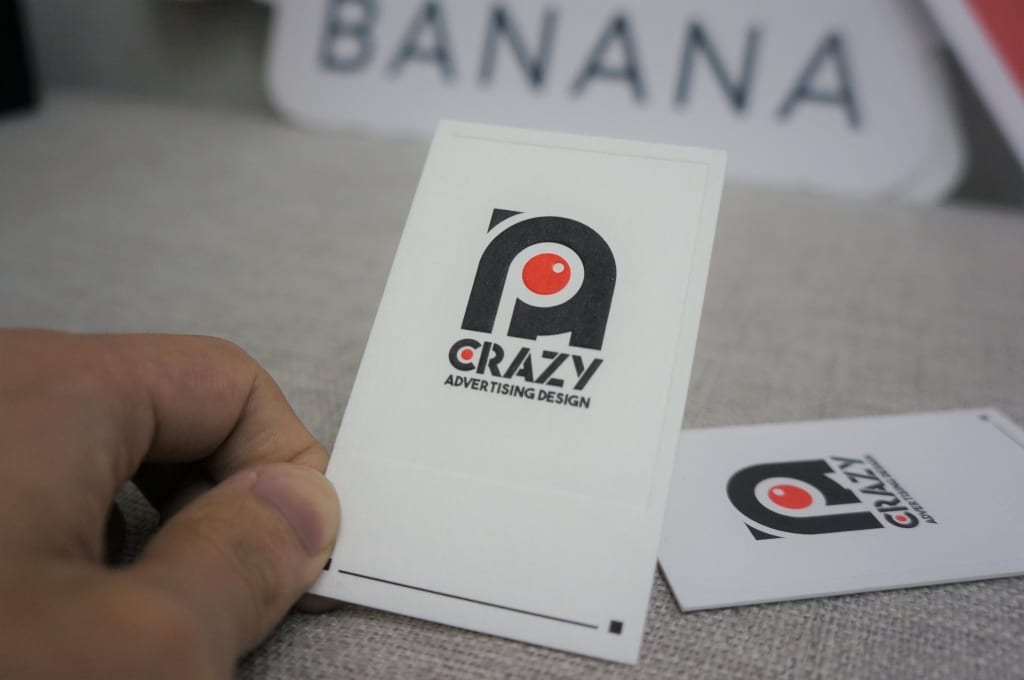
Weight: 500gsm / 700gsm
Texture: fine grain, a little tooth
Best finishes: letterpress, embossing
This American cotton stock is one of the everyday go-to cotton papers. It has a faintly rough hand — you can feel it — but nowhere near as coarse as kraft-style rough paper. It is not as soft as German cotton, yet not as hard as smooth-face cotton either: a genuinely middle-of-the-road cotton card with no single standout trait. That said, if you want your card as thick as possible, it delivers — the heaviest weight runs all the way up to 700gsm.
2. Smooth-Face Cotton Card
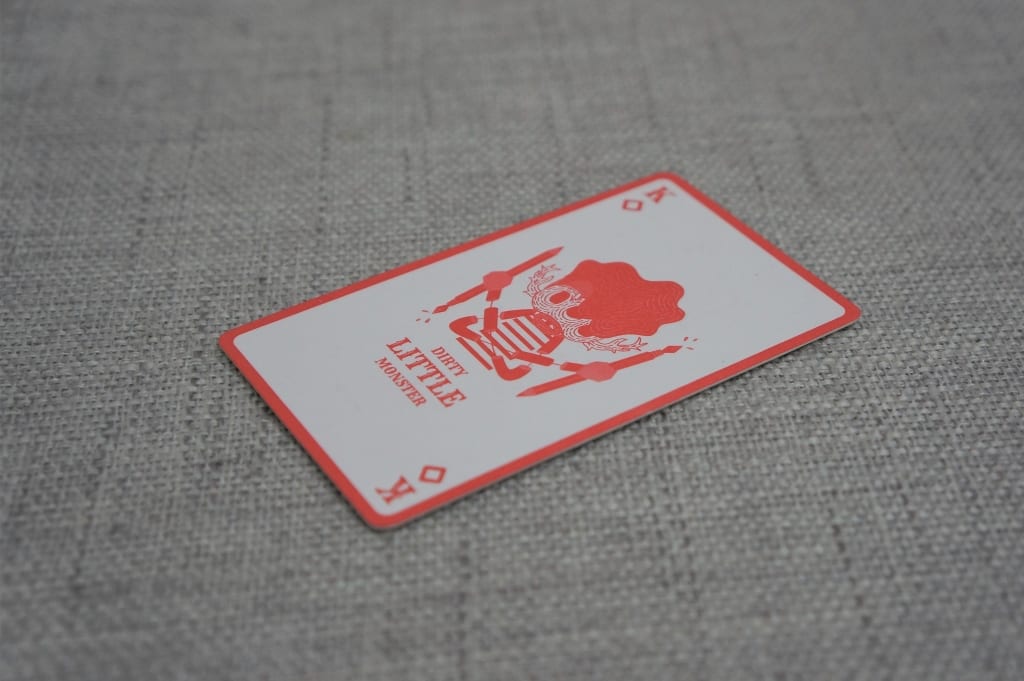
Weight: 500gsm / 650gsm
Texture: smooth surface, snow-white
Best finishes: large-area printing (crisp, sharp artwork), edge painting
If you are after a stock that is both thick and brilliantly white, smooth-face cotton is the one to fall for. It runs up to 650gsm, and because its fibres are so tightly packed the whole card stands up stiff and firm. That stiffness makes it a poor match for letterpress — a coloured impression barely shows, and you have to look closely to catch it. Where it shines is ink: its absorption is first-rate, so large areas of colour come out vivid and eye-catching. And because the stock is so hard, it takes beautifully to edge painting.
Smooth-face cotton is hard enough to knock on — if you love a solid, substantial card, do not overlook it.
3. German Cotton Card
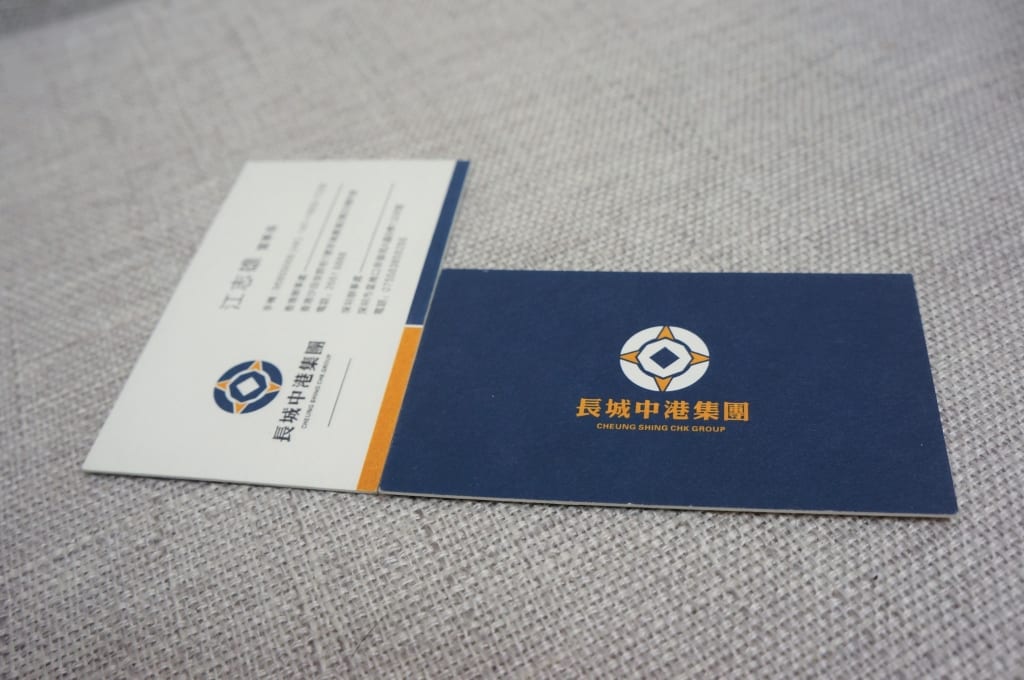
Weight: 450gsm
Texture: deep grain, plenty of tooth
Best finishes: coloured or blind letterpress
For a truly striking letterpress card, German cotton is the best choice you can make. Its fibres are loose enough that pressing a finger in leaves a dent, which is exactly what you want for letterpress. The impression comes out with far richer depth than on other stocks, and it handles coloured letterpress with ease. Other cotton cards fall short on coloured letterpress because the impression is not deep enough — the ink sits where the depression is shallow, so the pressed effect reads even weaker. Press too hard, though, and the card warps. All told, German cotton is the finest stock for letterpress.
4. Kraft Card
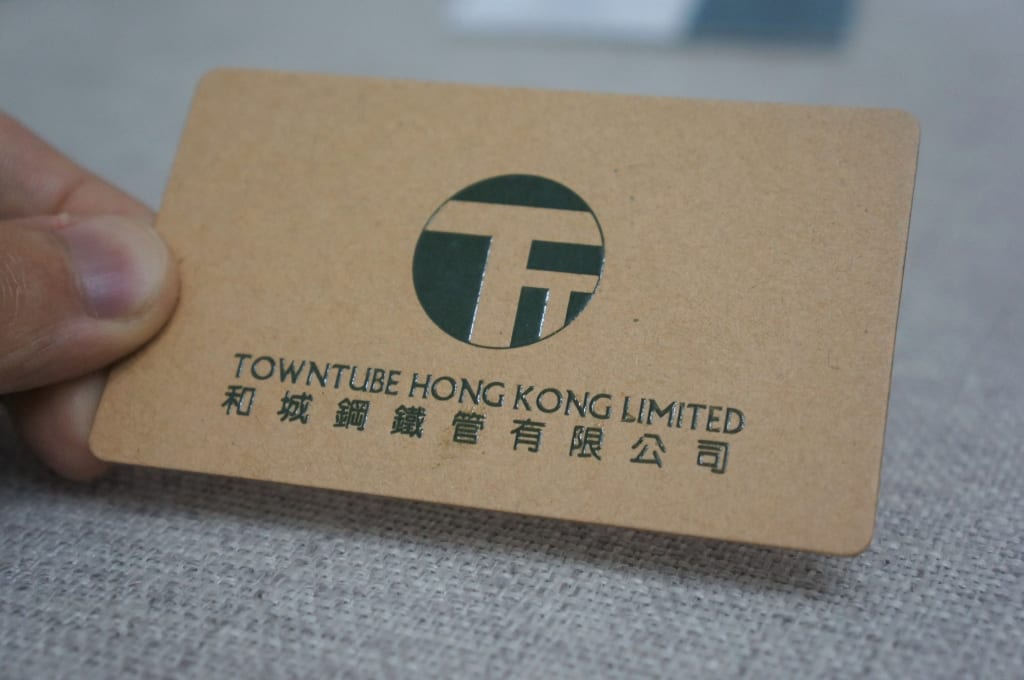
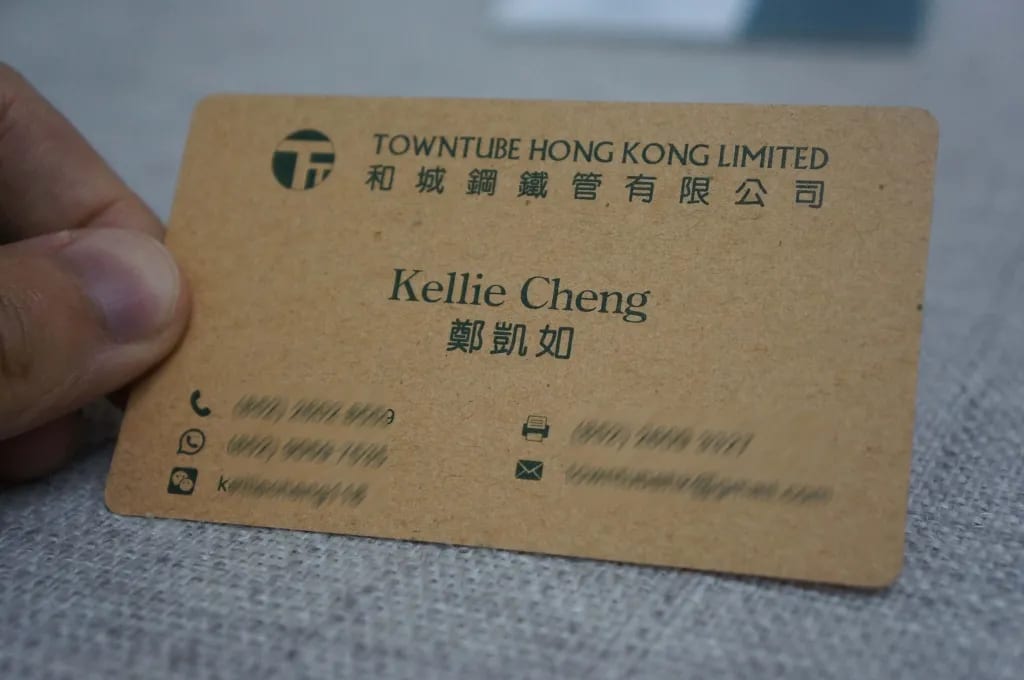
Weight: 500gsm
Texture: comes in rough or smooth, deep grain
Best finishes: single-colour printing, crystal raised lettering
Kraft card is a natural draw for eco-minded, cultural, artistic and retro brands, because it answers exactly what they are after. Kraft is a recycled, eco-friendly paper, and its wood-like colour reads instantly as natural. That raw, unpolished quality that creative, art and vintage work chase after — kraft carries it in the tone itself, like a card that has weathered the elements, full of primitive character.
Kraft leaves you fewer design options, and since the paper itself is the heart of the card, we do not recommend large blocks of colour. Single-colour printing is ideal. To make the card stand out, reach for crystal raised lettering: those areas catch the light and sit raised off the surface, adding a real lift to how the card feels in the hand.
5. Black Card
Weight: 500gsm
Texture: smooth surface, fine grain
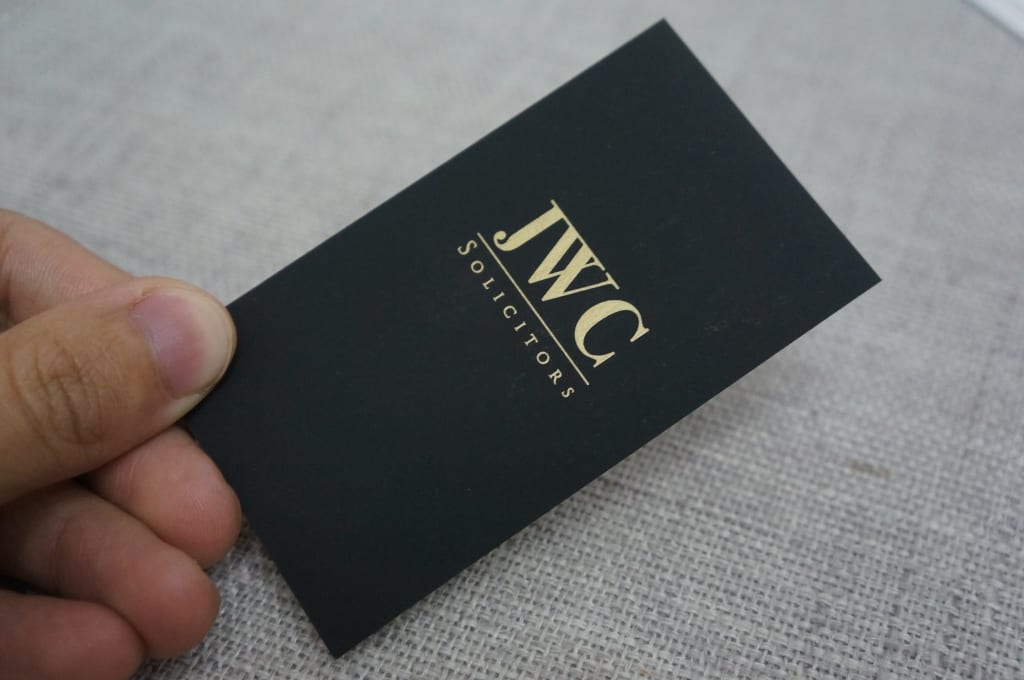
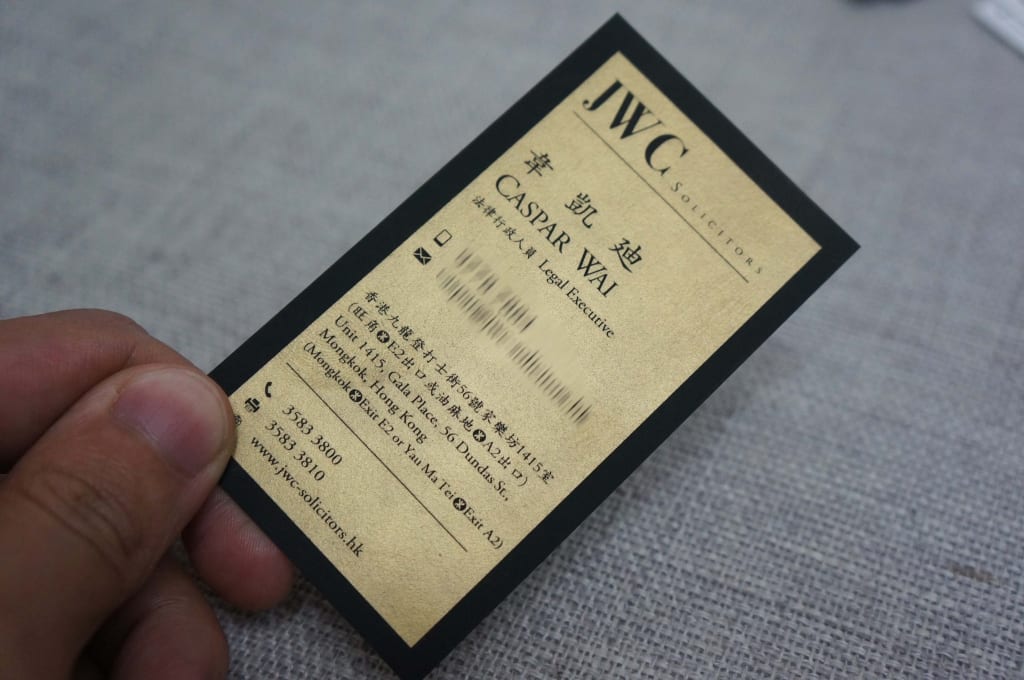
Best finishes: double-sided foil stamping + letterpress
Black cards are a favourite of many company owners, because black carries a sense of mystery and prestige — which is why so many premium-positioned firms reach for it: interior design studios, photography houses, entertainment companies and the like. With a black card you barely need to deliberate: go straight to double-sided foil stamping and skip everything else. That alone lands the mysterious, high-end feel. Black stock is a poor fit for colour printing — the ink comes out flat and unappealing, swallowed by the dark base — and foil stamping sidesteps the whole problem.
If you want the card to feel even more special, use blind letterpress or embossing to pick out parts of the design.
6. Smoke-Grey Card
Weight: 500gsm
Texture: smooth surface, distinctive grain
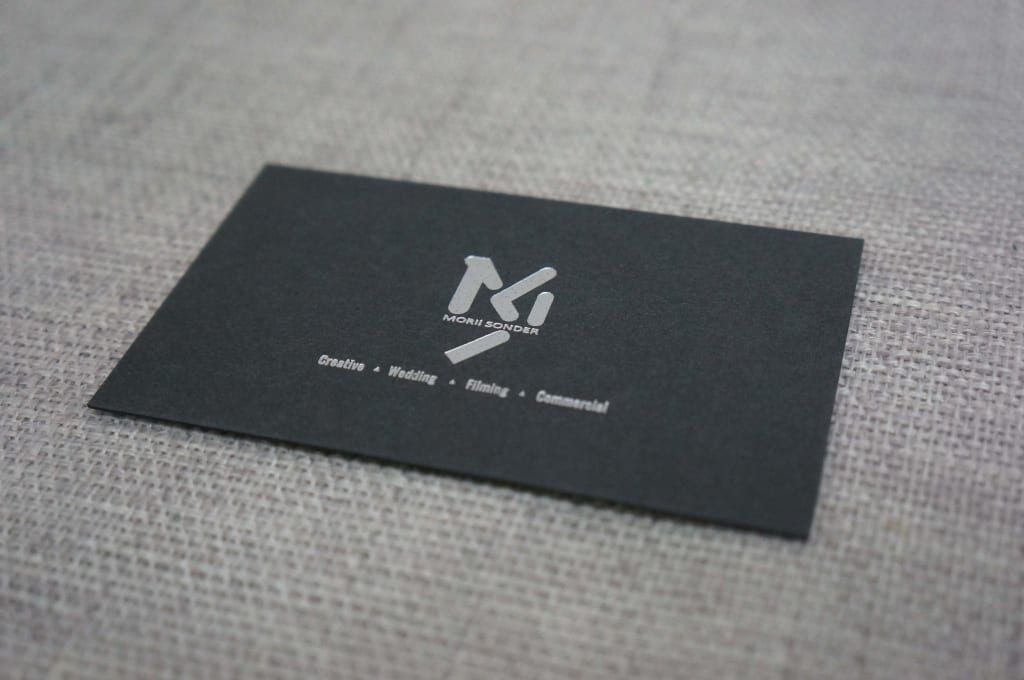
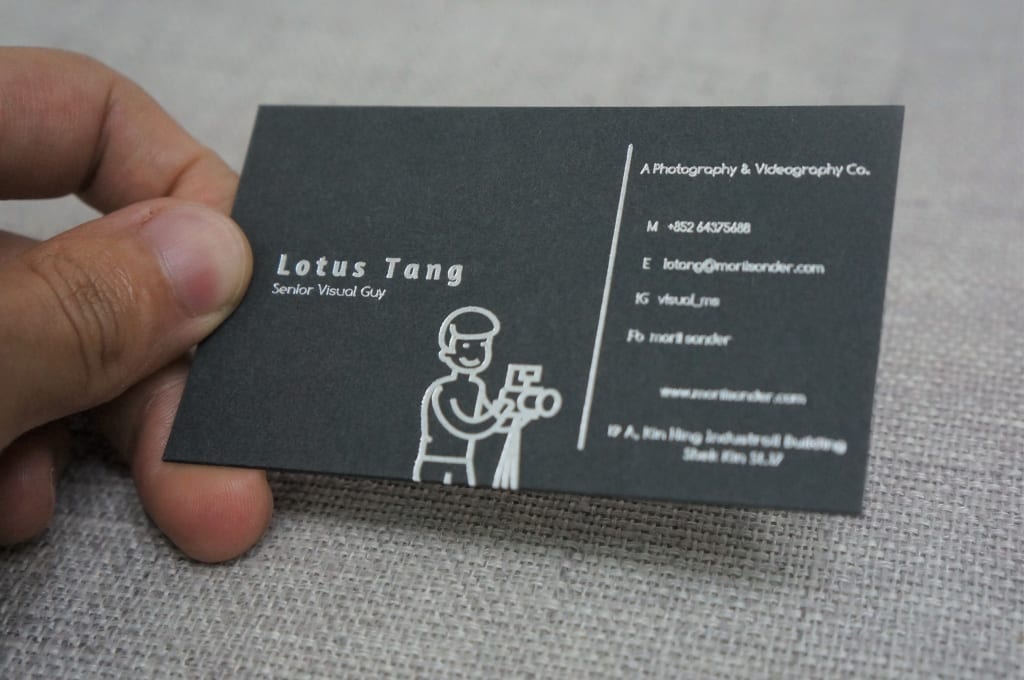
Best finishes: foil stamping + letterpress
Smoke-grey card is a rarer sight on the market, so if you have a taste for something out of the ordinary, it should hit the spot. Beyond the grey itself, the stock carries a faint grey-white grain that gives the whole card a genuinely distinctive character — a strong pick if you work in the arts. For printing, smoke-grey suits single-colour work and foil stamping best, with the layout kept simple and minimal. One thing to note: that unique grain means large areas of foil will flake ever so slightly — a little of the foil will not take — and that is unavoidable.
Not sure which stock-and-finish pairing fits your brand? That is exactly what we are here for. Printing Banana ships across Hong Kong and Macau, and you are welcome to WhatsApp us at +852 3001 5678 (English is fine) to talk through cotton cards, black cards or any of the premium stocks above.