Stickers show up almost everywhere, and whatever industry you are in, sooner or later you will need to print some. What most people miss is that the material matters: which sticker do you use on a shop window? On packaging? On cosmetics?
Every sticker has a different job, and using the wrong material shortens its life. Take a glossy coated-paper (art paper) sticker on a body-wash bottle: the bottle lives in the bathroom, in constant contact with water and steam. Coated paper is paper-based, so once it gets wet it softens, and it damages easily.
Below are the seven most common sticker types and the materials they are printed on:
- Window Stickers
- Personal-Care Packaging Stickers
- Food Packaging Stickers
- Beverage Stickers
- Handmade & Craft Stickers
- Budget Stickers
- Luxury Product Stickers
1. Window Stickers
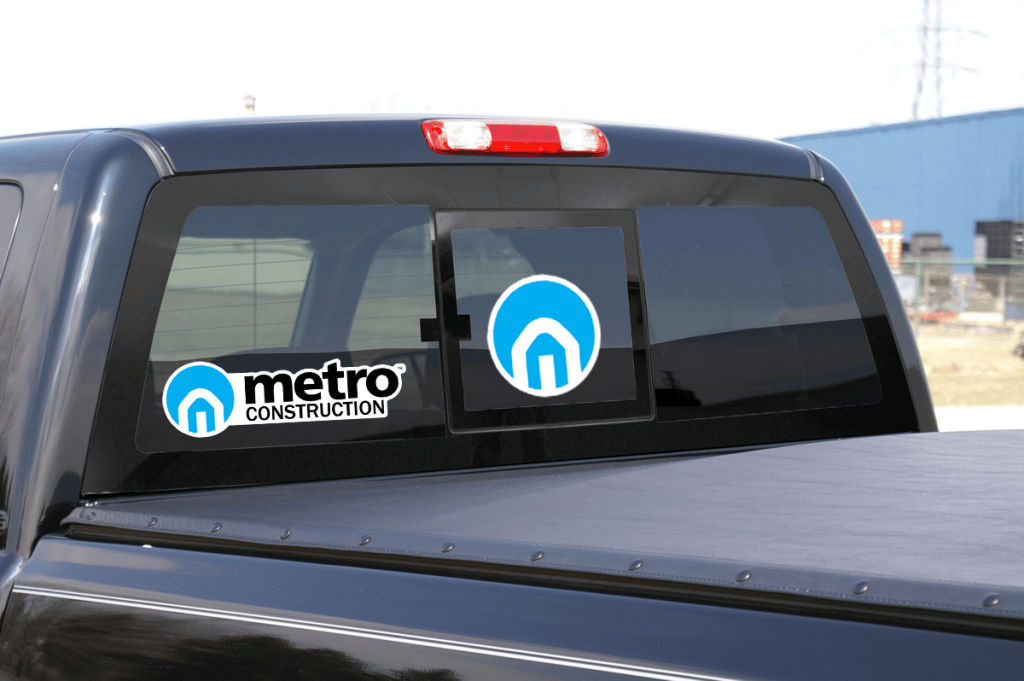
Window and vehicle stickers are among the most common of all. Plenty of big fashion labels — Supreme, for instance — give away or sell vehicle stickers, encouraging customers to put the company logo on their car: part decoration, part free brand promotion. The usual materials for window stickers are ultra-clear vinyl and white-backed vehicle vinyl.
On glass, ultra-clear vinyl looks best. Because it is transparent, though, the printed colours come out a little weak. If you want brighter, punchier colour, you can back it with white ink, though that costs more.
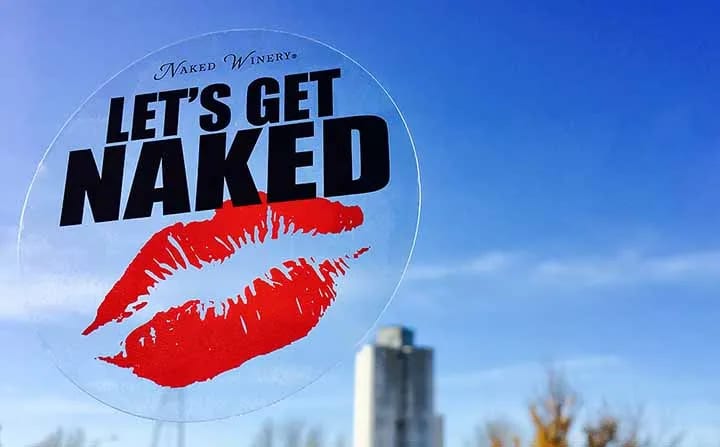
If the budget is tight, white-backed vehicle vinyl is a very common alternative. It is not only cheaper — you can also choose standard ink or UV ink to suit your budget and requirements.
2. Personal-Care Packaging Stickers
Personal-care products are constantly exposed to water, so the stickers on them should be waterproof and high-tack. If the adhesive is weak, the label is liable to peel off. That is why personal-care packaging labels are printed on synthetic paper or PVC. PVC costs a bit more, but the colour is richer and it lasts longer.
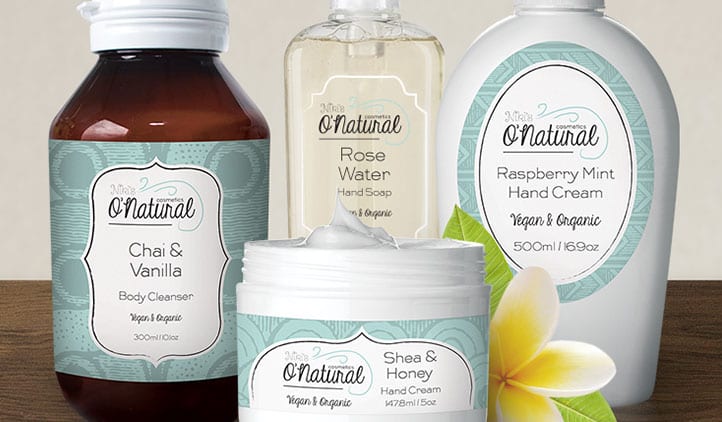
Another popular option is bright silver (chrome) film. A type of waterproof sticker, it has a distinctive silver metallic sheen — excellent water resistance, plus it is wear- and scratch-resistant. It takes colour easily, prints well and grips firmly, which makes it a regular choice for personal-care packaging.
3. Food Packaging Stickers
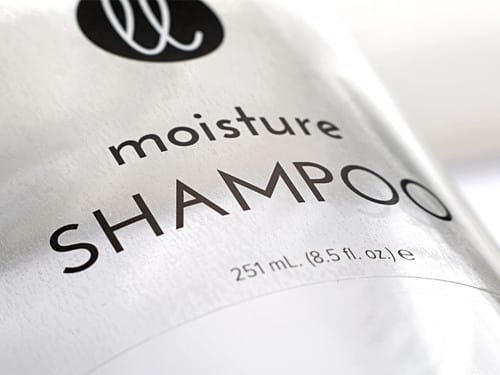
Food-industry standards are strict, so producers stick to the most conventional, safe methods. Their packaging labels tend to come from a fixed set of options, using a permanent adhesive so the sticker stays exactly where it is put. Best of all is a waterproof adhesive, which performs perfectly in any condition.
We would recommend a synthetic plastic material: waterproof, tear-proof, oil-resistant and stain-resistant, with a smooth surface and an elegant feel, in white or pearl finishes. It comes in two main types — glossy pearl and matte. Prints come out vivid and beautifully saturated, and because the material is plastic to begin with, it is waterproof, moisture-proof, tear-proof and freeze-resistant without any lamination.
4. Beverage Stickers
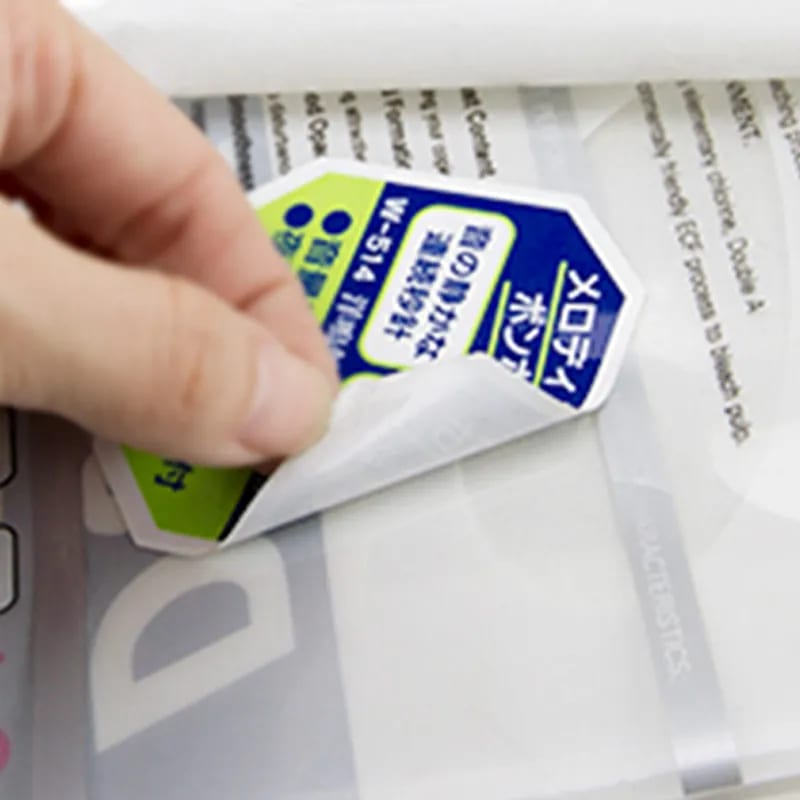
Like food stickers, beverage labels need a permanent adhesive. The bar is a little higher here because they have to be waterproof and hold up after long stints in the fridge, so most use a high-tack transparent sticker. On a dark-coloured product, back it with white ink to make the printed colours stand out.
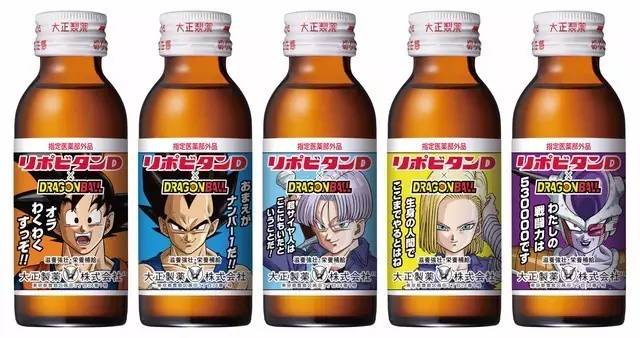
5. Handmade & Craft Stickers
The best stickers for handmade packaging are the ones with a strong paper texture, which brings out that handmade, rough, natural feel. Be careful, though: uncoated paper stickers are not laminated, so they tear easily once they get wet. If your craft item holds moisture, choose a waterproof sticker instead. Papers that deliver that tactile feel include kraft paper, offset (book) paper and Conqueror paper.
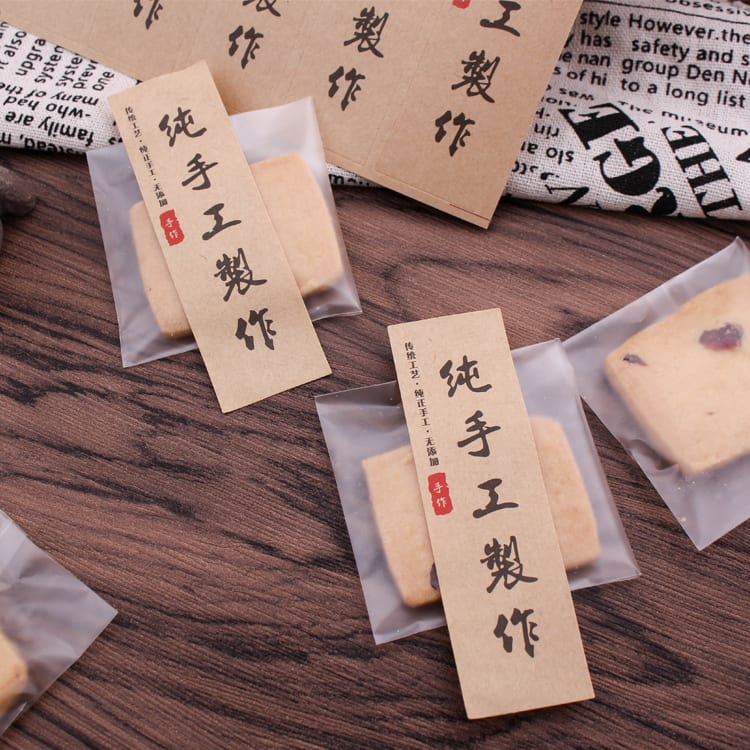
6. Budget Stickers
The cartoon stickers you can pick up on the street are basically printed on glossy coated paper (art paper). They are the cheapest to print and the most widely used — a run of over a thousand can go for around HK$200. To help coated-paper stickers stick to a wider range of products, ask your printer for a high-tack version and to reinforce the surface film for extra water resistance.
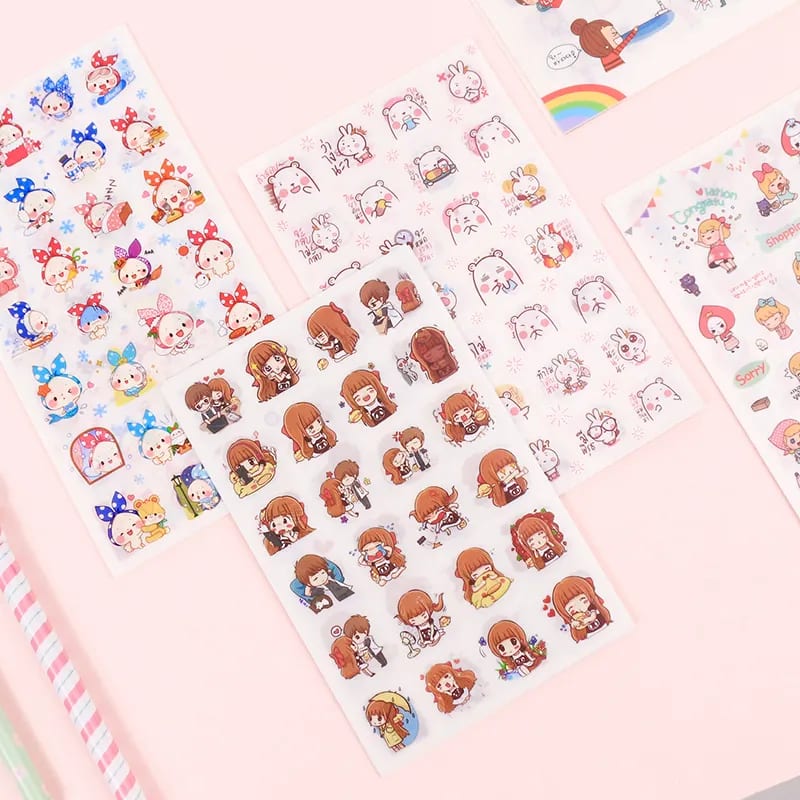
7. Luxury Product Stickers
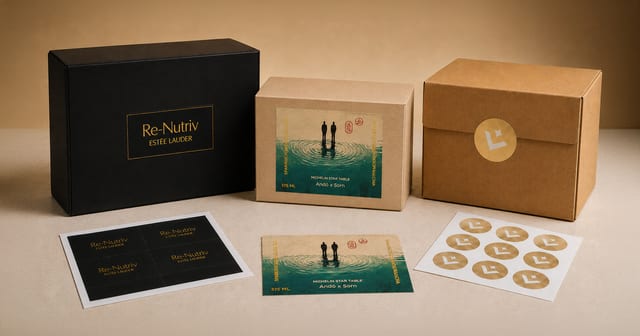
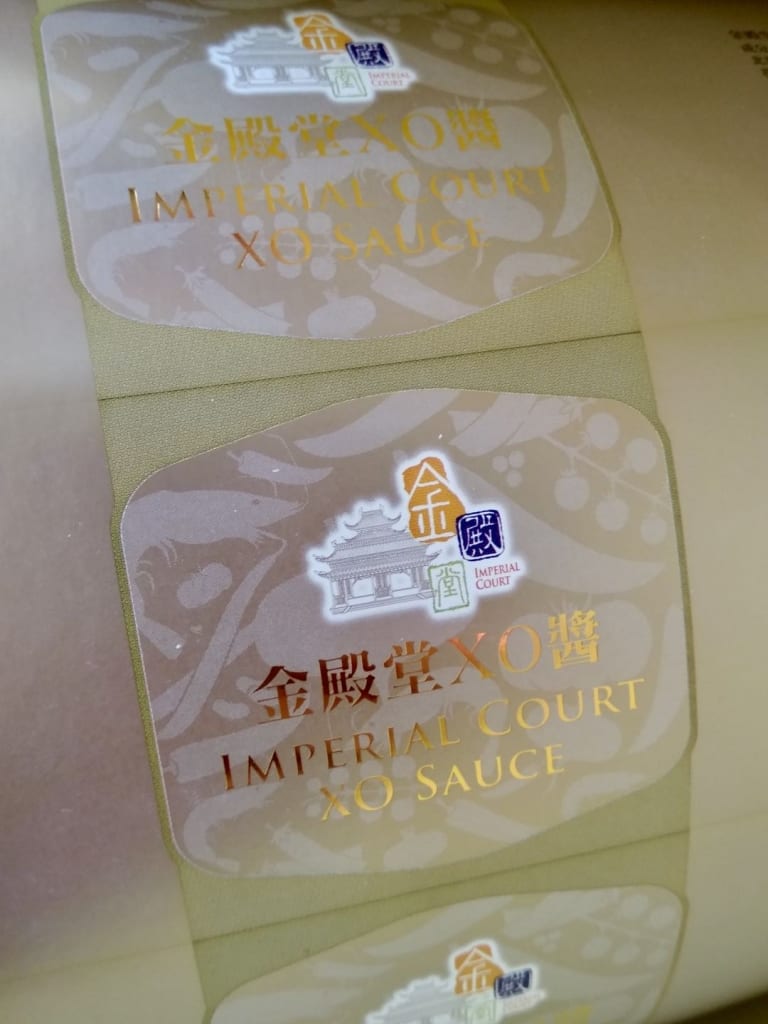
For luxury brands, the sticker must not cheapen the brand image — ideally it should lift it. That means more finishing and craftsmanship to set the label apart. The whole point is to supply a high-quality product sticker so the packaging conveys the luxury of what is inside.
It is worth considering textured, heavy paper-feel materials for that premium touch. On luxury stickers, finishes such as hot foil stamping, embossing and UV can all reinforce the brand effect.
Not sure which material fits your product? Order custom stickers with Printing Banana — we deliver across Hong Kong and Macau, and you are welcome to WhatsApp us at +852 3001 5678 (English is fine) to talk through the right material for your job.