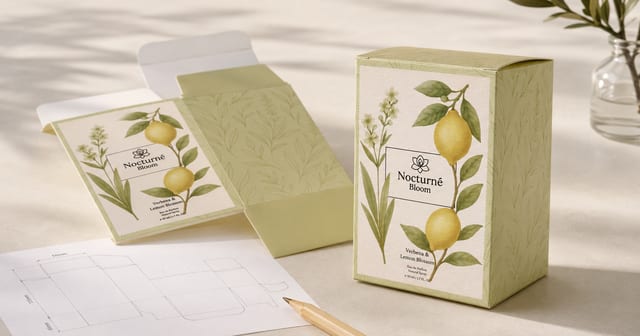
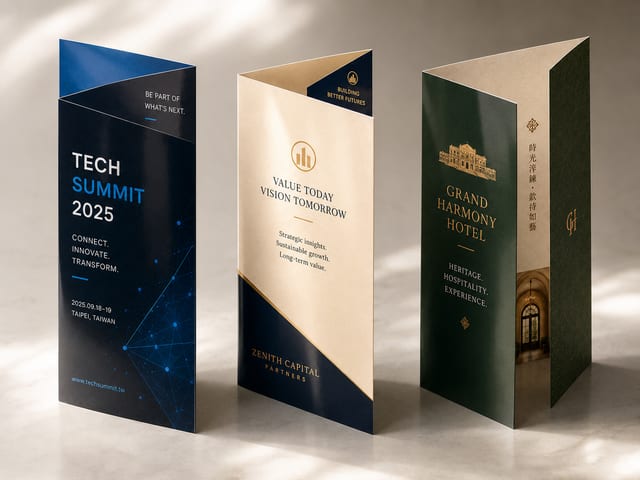
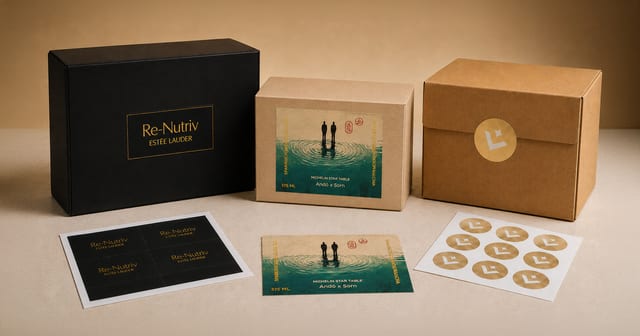
Rounded corners are everywhere. Look at your phone, your app icons, a name card, a sheet of stickers — the rounded corner is quietly present in all of them. Almost everything in the world is either a sharp corner or a rounded one, and, like us, you probably feel a certain warmth toward the rounded kind. Where does that pull come from? Why do we keep gravitating to rounded corners? Let's unpack the mystery.
Why do rounded corners look better than sharp ones?
The biology: sharp things once meant danger
For as long as humans have been around, most sharp objects have been the ones that hurt us — spears, toothpicks, needles, anything that comes to a point. So from a young age we're primed to be wary of sharp edges, half-expecting them to do damage. A rounded corner or a curved surface, by contrast, reads as smooth and harmless — no threat at all.
The eye: curves are easier to process
Because of how the eye is built, the retina handles rounded shapes more easily, so it processes them faster. A rounded corner carries more concentrated information, whereas a square gives the eye four separate corners to analyse. On top of that, the eyeball itself is curved, which makes us more attuned to shapes that echo its form.
The psychology: curves feel gentle
Psychology explains the pull even better. In a 1921 study by the Swedish psychologist Helge Lundholm, people used angular lines to express hardship, harshness and cruelty, while curved lines stood for tenderness, calm and gentleness. You can see the same split in text emoticons — angry looks like (`A´), happy looks like (  ̄︶ ̄).
Rounded corners in real-world design
Apple
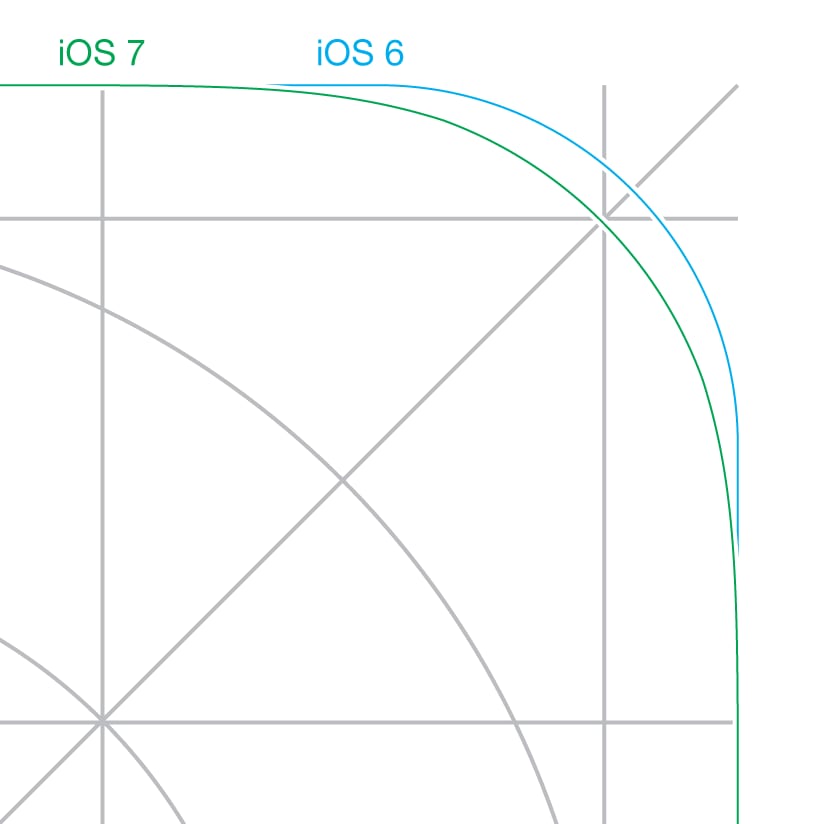
Apple is arguably the great champion of the curve. Across its globally beloved products — the iPhone, the iMac, iOS — rounded corners turn up in both the hardware and the software, and that influence pushed plenty of other companies to follow suit. It's easy to see why: rounded corners make an entire design feel far more harmonious.
The Xiaomi logo
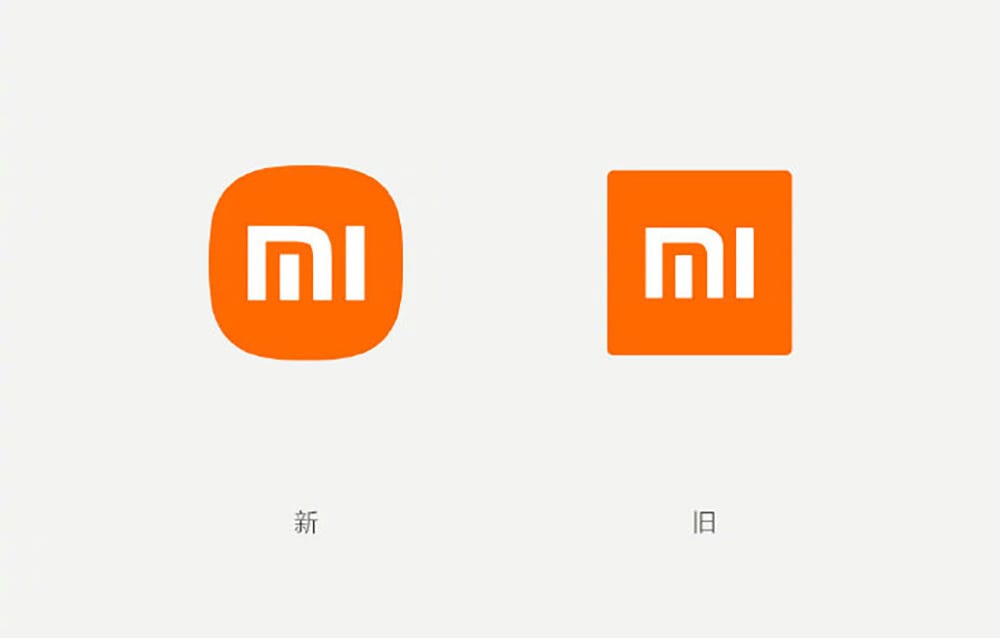
You may remember that Xiaomi brought in the renowned graphic designer Kenya Hara to refine its logo, and the redesign leaned on a rounded form — specifically a mathematically derived "superellipse." The new mark stirred up plenty of controversy at the time, but look at it another way and it makes the point: designers and the industry genuinely love a rounded corner.
Rounded-corner print finishing
Machine-rounded corner cards (corner-rounding cutter)
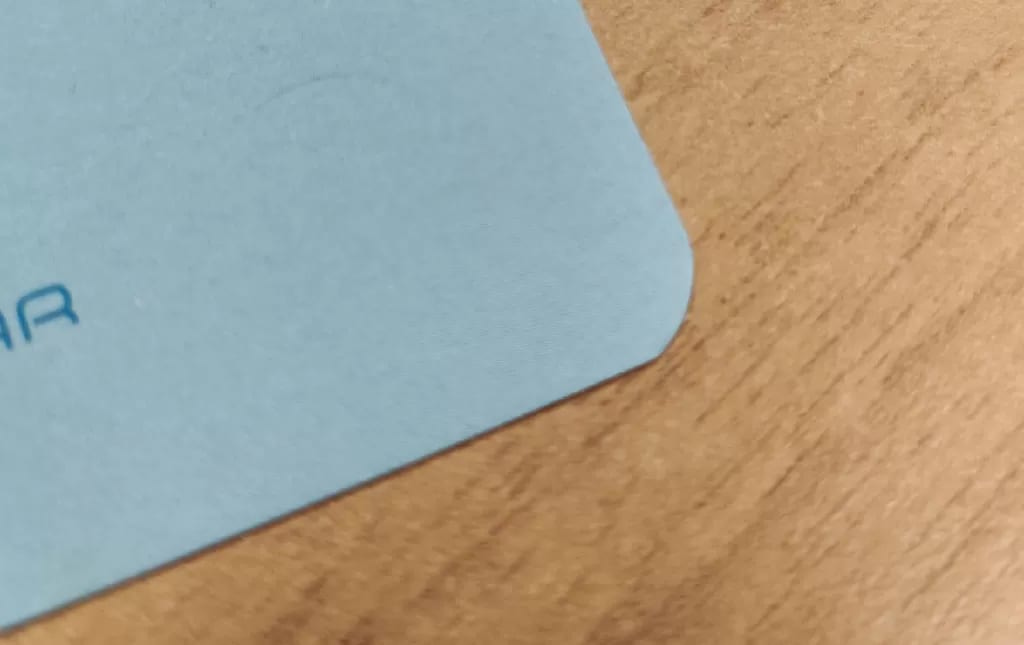
Machine rounding means running the printed piece through a corner-rounding machine that trims each of the four corners to a rounded shape at a fixed radius. The machine only works on the four corners, and because of that the rounded corners won't come out as a perfect arc on every single piece — you may get a slight nub along the edge of the curve. The upside is that this is the more affordable way to round corners.
Die-cut rounded corner cards
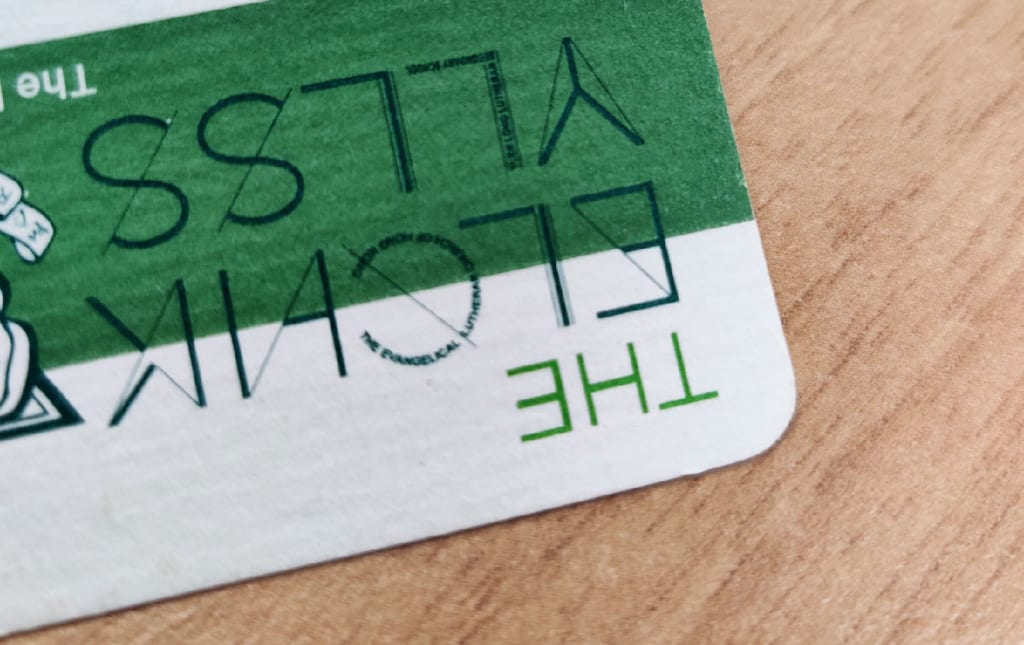
Making rounded cards with a cutting die (die-cutting) is the more ideal approach, because the die is built to match the whole printed piece, which keeps the rounded corner perfectly continuous with the edge of the card. Beyond producing a cleaner, truer arc, die-cutting also gives you flexibility over the radius — you can set the curve to suit the design or your own preference.
Rounded corners really do have a certain magic
From ancient times to now, at home and abroad, the circle has been impossible to ignore — an almost irresistible appeal that keeps nudging the times forward. There's even a cultural note to it: Chinese tradition prizes people who are smooth and diplomatic in their dealings, and the smooth, rounded corner mirrors exactly that quality.
Whatever you're printing, if you have a question about rounding the corners, just ask — we're happy to help you get it right. We deliver across Hong Kong and Macau, and you're welcome to WhatsApp us at +852 3001 5678 (English is fine).