Demand for short-run hardcover books has been climbing steadily. A hardcover booklet is simply a book bound with a rigid board cover — that board can be wrapped in leather, cloth or specialty paper — and its cover always runs slightly larger than the inner pages. Digital may be the direction of travel, but a printed book carries a thoughtfulness a file never will. A University of Arizona study even found that young people value the sense of ownership a physical book gives, and that it makes a meaningful gift.
As gift books, small-batch titles such as graduation albums, wedding photo books and product catalogues have always had a healthy market — commemorative and wedding albums especially. A physical book carries a sentiment that no digital copy can replace. Printing one is no small task, either: design, layout, paper selection and binding method all have to be chosen by hand, step by step.
Below are the three most common ways to bind a hardcover book.
Perfect-Bound Hardcover
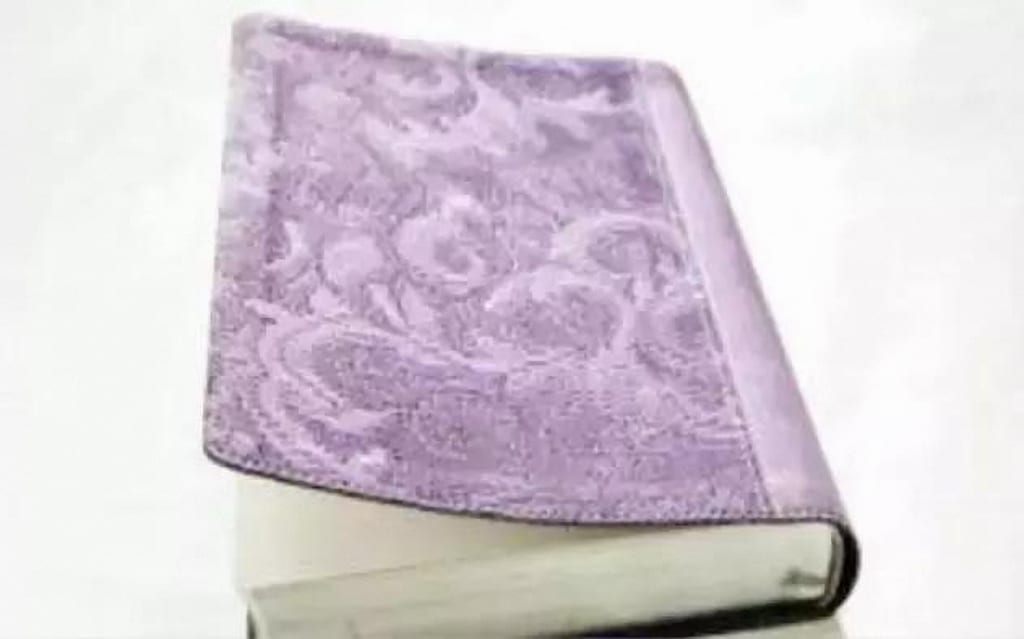
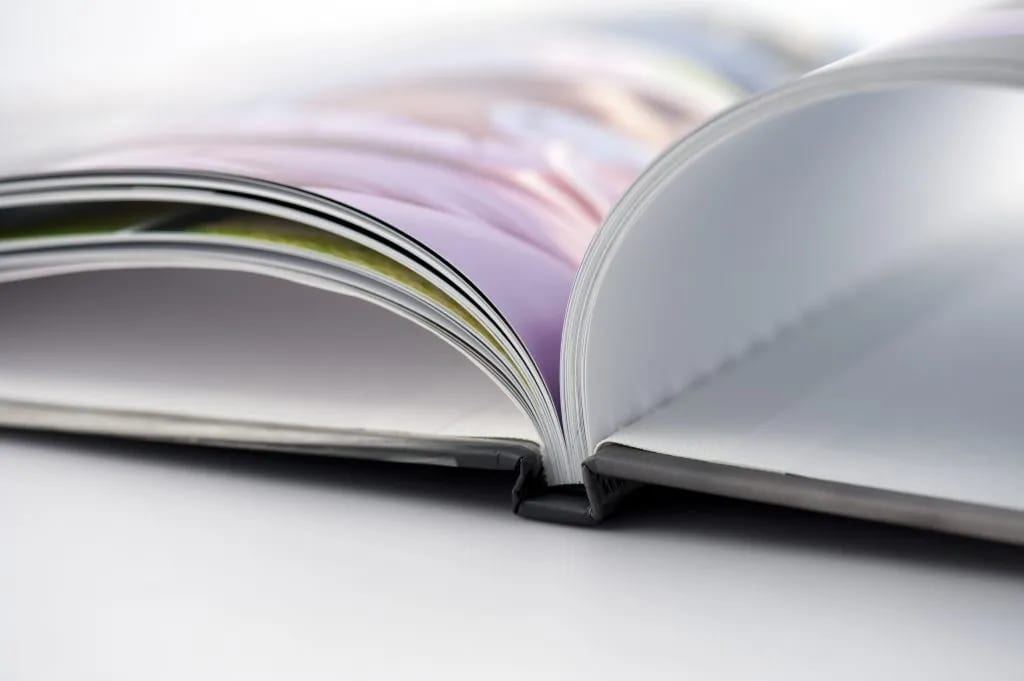
Perfect-bound hardcover is the most economical way to make a hardcover: in short, it is a perfect-bound (adhesive) book fitted inside a rigid case. The hard case isn't only about looks — it also gives the book much stronger protection. The cover is usually around 3mm thick, built from imported board laminated with gloss art paper, matte art paper or PP film. Glue holds the inner pages to the cover, while the pages themselves are assembled with hot-melt adhesive. This method suits books with fewer pages, because perfect (threadless) binding tends to loosen once the book has been opened and closed many times.
Best for: product catalogues, children's books
Thread-Sewn Hardcover
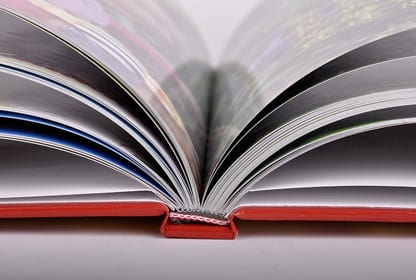
Thread-sewn hardcover is a reinforced version of the perfect-bound book. Instead of glue alone, the pages are stitched together with thread: once the inner pages are collated, they are sewn to fix the spine. It is a very traditional binding method — as well as being easy to read, a sewn book is extremely sturdy, which gives it a long lifespan. For high-quality hardcovers with a lot of pages, we generally recommend thread (lock-stitch) sewing. The trade-off is more constraints: the page count must be a multiple of 4, and because the process is more labour-intensive, it costs more. For any hardcover over 50 pages, thread-sewn binding is the best choice.
Best for: product catalogues, commemorative books, school-anniversary publications, dictionaries, classic volumes
Butterfly (Lay-Flat) Hardcover
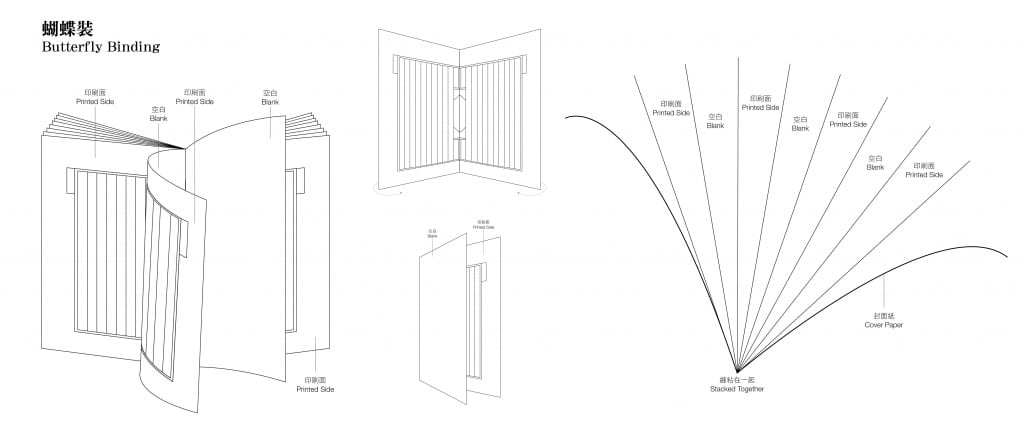
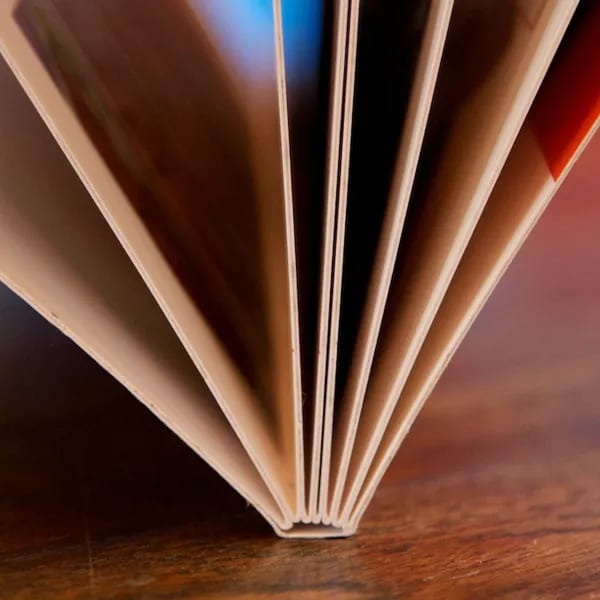
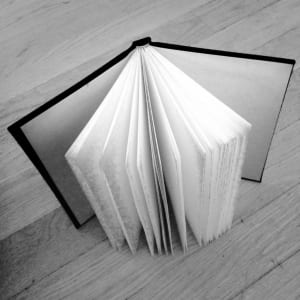
Butterfly-mounted hardcover — commonly known as the deluxe hardcover — mounts every sheet along its centre fold. Each printed sheet is folded inward so the text faces in, the folded pages are then aligned, and glue bonds them to one another; finally the cover is added to complete the book. Its biggest advantage is that the pages open completely flat, with no loss of content across the gutter — beautifully so. Because every page has to be mounted, the stock needs to be at least 250gsm to hold the mount (any lighter and it tears easily), so each page ends up fairly thick. A hardcover of 60 pages or fewer is the sweet spot.
Best for: gift books, wedding albums, commemorative books, school magazines
Planning your own graduation album, wedding photo book or product catalogue? We print short-run hardcover books with delivery across Hong Kong and Macau, and we're happy to help you match the right binding to your page count and budget. WhatsApp us at +852 3001 5678 — English is fine.