Certificates are one of the few print items almost everyone ends up holding — for graduating, finishing a course, winning an award. Each one is a small record of what you have been through, which raises a simple question: what is your certificate actually printed on? This piece walks through the paper, finishing and design that go into certificate printing. We are looking at ordinary certificates here, not security or anti-counterfeit printing.
Certificate paper
A certificate has to feel grand and dignified, and that feeling does not come from the design alone — the paper stock matters just as much. Going by our own order data at Printing Banana, the two stocks chosen most often for certificates are pearl paper and Conqueror laid paper.
Pearl paper
Pearl paper shimmers when light catches it, the same way a gemstone flashes under a spotlight. We instinctively read that glint as something precious, and the human eye is easily drawn to anything that sparkles. That is exactly why so many clients choose it: a pearl-finish certificate reads as dignified and prestigious.
Pearl paper comes in a range of colours, but the two used most often for certificates are cream and yellow. Ask us if you would like to see the other shades.
Conqueror laid paper
Conqueror laid paper carries a sense of age. It is stiff, holds ink strongly, and turns up everywhere from certificates to printed publications. What keeps it a certificate favourite is precisely that timeless, old-world character — certificates tend to be kept and treasured, and a Conqueror laid certificate still looks right when you pull it out years later.
Yellow Conqueror laid is the most popular certificate stock of all. Because paper naturally yellows with time, starting on a yellow stock means you never have to worry about it discolouring later.
Certificate finishing
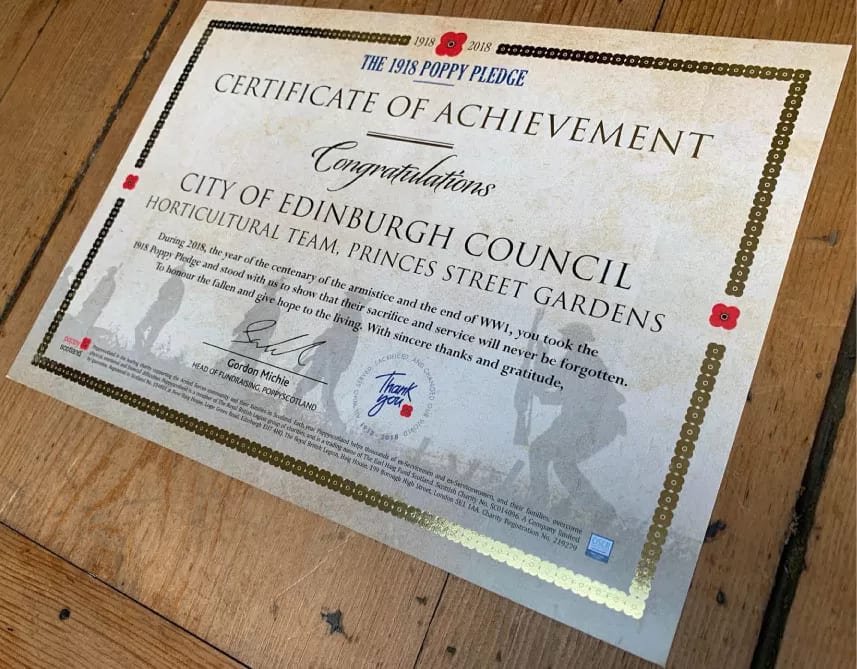
The finishing you will see most on certificates is hot foil stamping. A certificate means a great deal to the person receiving it, and foil makes it feel more precious and more worth keeping. Here is where foil stamping usually shows up on a certificate.
Border and logo foil stamping
Most certificates have a decorative border, and that framing gives the piece its sense of quality. Foil stamping pushes that quality further. You can also foil the issuing organisation's logo to draw more attention to it.
Foil gives print a metallic finish, and metal reads as premium — which suits the character of a certificate perfectly. The go-to foil colours are gloss gold and gloss silver, because both make a certificate genuinely eye-catching.
Seal embossing
To make a certificate more distinctive, many designers add a watermark of the logo, done as blind embossing or foil embossing. It lifts the certificate's collectible value and signals that the organisation put real care into it. The effect is obvious and highly decorative, and it makes the certificate stand out.
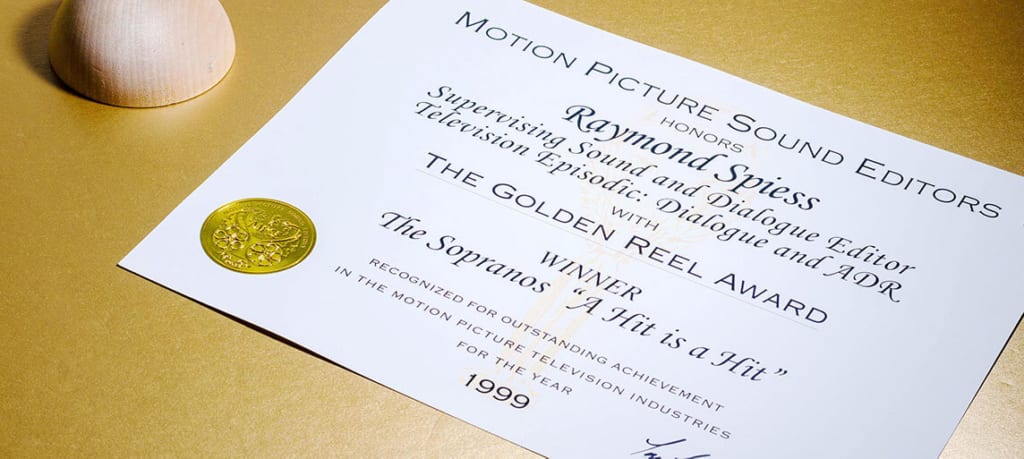
Certificate printing is about remembrance
A certificate stands for the effort you put into a course or a job, and taken together your certificates map out the things you have lived through. So it is worth taking real care when you print or design one — both the border and the way the text is set. A certificate is not just paper; it is recognition, and it is honour.
Planning a batch of certificates? We print and deliver across Hong Kong and Macau — WhatsApp us at +852 3001 5678 (English is fine) and we will help you match the paper and finishing to the occasion.