Choosing a binding method is anything but simple if you don't work with print every day. Saddle stitch, perfect binding, hardcover — with so many options on the table, which one actually suits your book? Books turn up everywhere, from corporate reports to personal keepsakes, from children's titles to grown-up reading — none of us ever really gets away from them.
But when it comes time to actually print one, the decision gets hard, and the core reason is simple: most of us don't really understand how books are bound. This article takes a close look at the three mainstream binding methods from several angles, along with the file-prep techniques you should know before each one goes to press.
Book binding methods
- Saddle stitch
- Perfect binding
- Hardcover
Saddle stitch – simple to design, low risk of errors
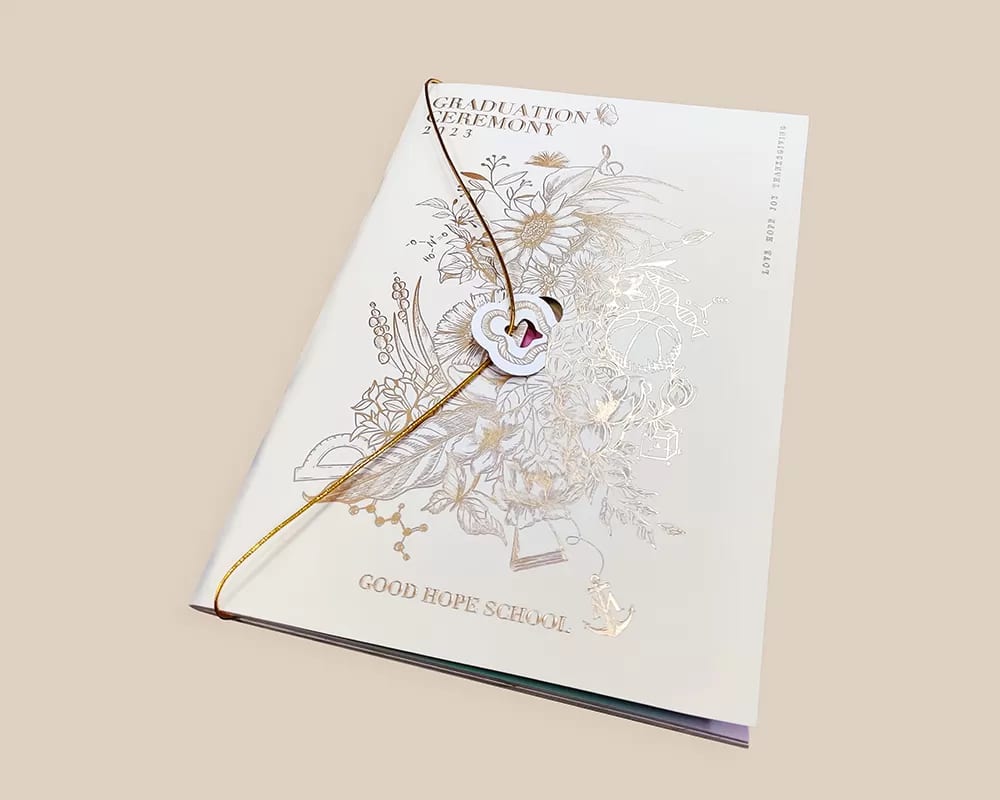
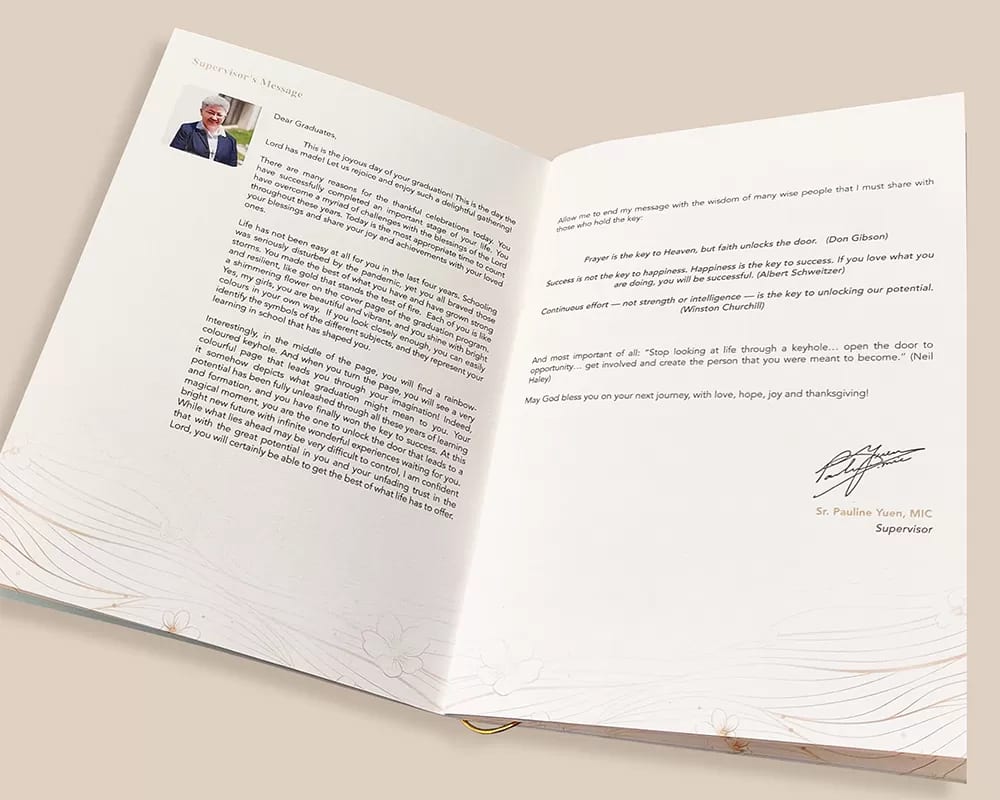
Saddle stitching is a wonderfully simple way to bind: with nothing more than a stapler, almost anyone can do it. A few sheets are stapled through the centre fold — usually with two staples — and then folded in half into a booklet. It's simple yet solid, which is exactly why saddle stitch is such a strong choice when you're up against a tight budget.
Advantages of saddle stitch
- Affordable: because the binding is so simple, saddle stitch has the lowest production cost of any book format, and its production time is comparatively short too. That makes it ideal for small quantities, short-run promotions and one-off uses.
- Opens flat at 180 degrees: since the pages are held by just two staples, the booklet lies open flat with ease — a nice advantage for double-page spread designs.
What to watch when printing saddle stitch
- No fewer than 8pp: to bind into a book you need at least two folded sheets, and each sheet yields 4pp.
- No more than 96pp: a saddle-stitched book tops out at 96pp, and it needs to use 128g paper or lighter. Paper that's too thick risks not folding cleanly, and even if it does fold, the cover edge is more prone to cracking.
- Trimming shrinks the inner pages: once bound, the book is trimmed flush on three sides, and after trimming the inner pages end up slightly smaller than the cover. This comes from the gap created when the cover and the innermost sheet are folded together — the thinner the paper the smaller the gap, the thicker the paper the larger it gets.
- Spread alignment: both the stapling and the folding introduce a little tolerance, and that finishing tolerance can leave images across a spread slightly out of register.
Printing cost
Printing Banana prints saddle-stitched books from a single copy. Ordering just one costs more per book than a larger run, so if you'd like to see how saddle stitch is priced, check the link below.
Perfect binding – the everyday classic
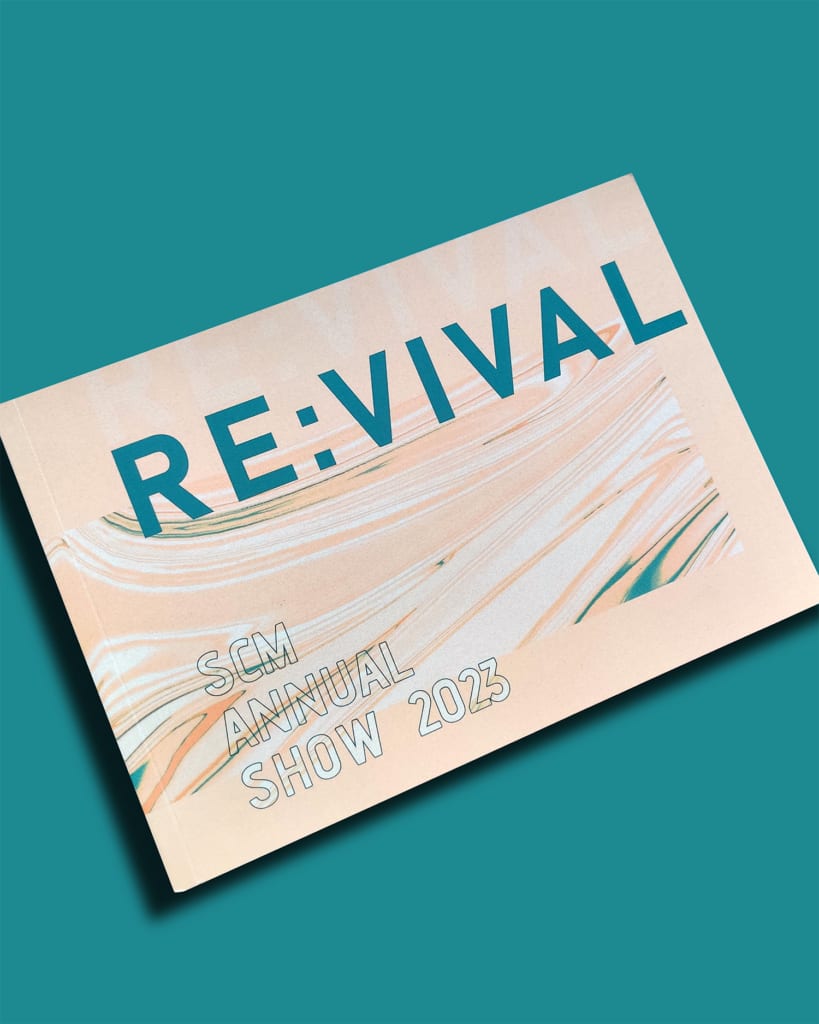
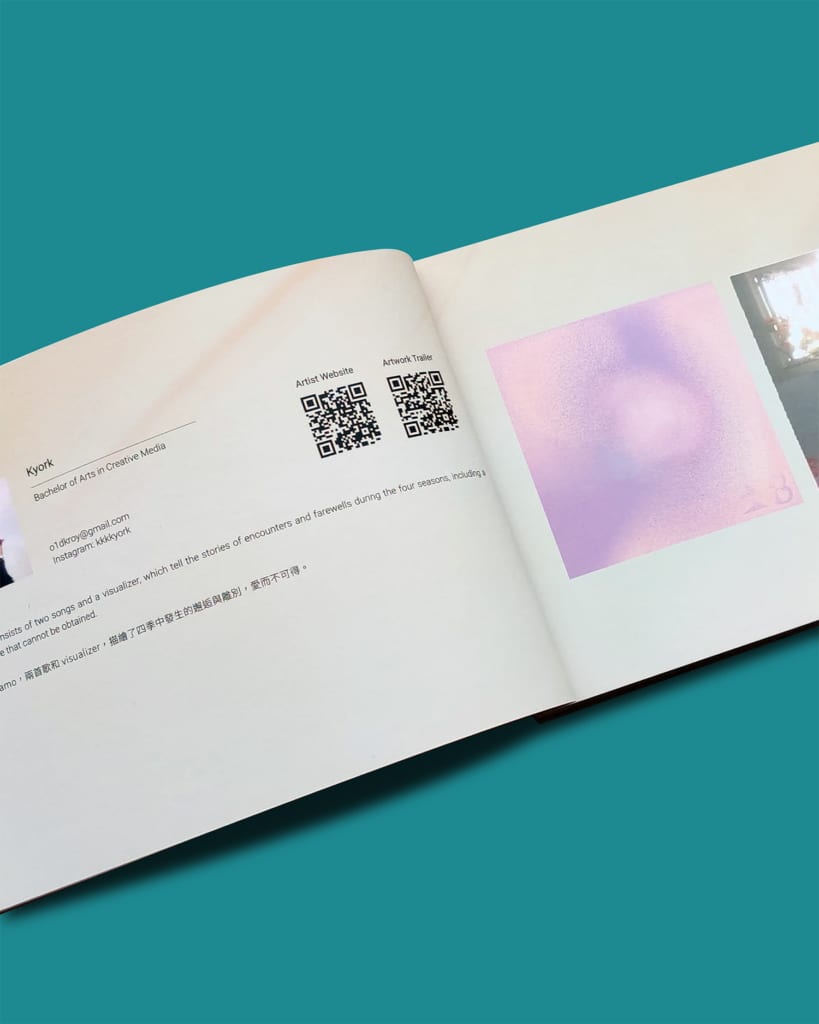
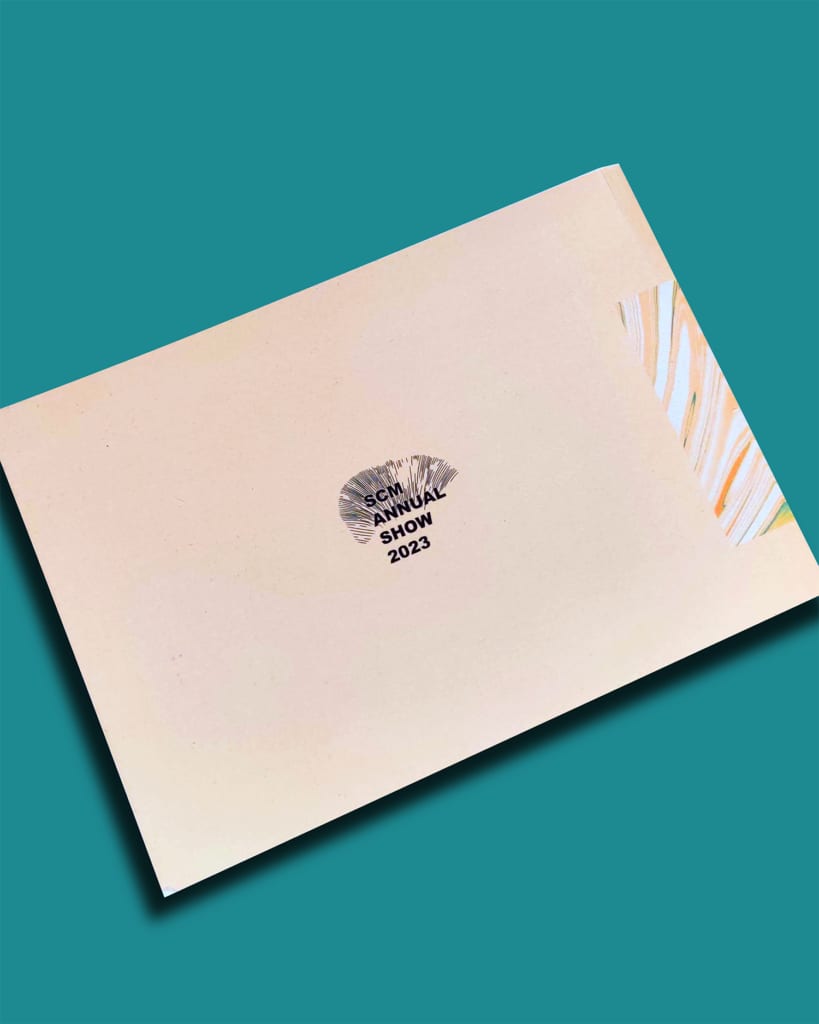
Perfect binding is the format we reach for most often — textbooks, storybooks, novels, company annual reports all tend to be perfect-bound. It's made by gluing the sheets together, running a roller of adhesive along the spine edge, and finally wrapping a cover around the block. Perfect binding comes in two kinds: unsewn and section-sewn. Section-sewn is sturdier but its page count has to be a multiple of four, whereas unsewn perfect binding has no such requirement.
Section-sewn perfect binding threads the sheets together first and then glues the whole block into a cover, while unsewn perfect binding relies on glue alone. The unsewn method therefore carries a few more limitations than the sewn one — but it's cheaper to produce and faster to make.
Advantages of perfect binding
- A professional look: a perfect-bound book presents far better than a saddle-stitched one — it never looks as plain.
- A stable structure: because the binding is glued, the book holds together more firmly than a saddle-stitched book and is comparatively more durable.
- Suited to high page counts: since perfect binding relies on glue, it sidesteps the folding and edge-cracking issues altogether, so it can hold many more pages than saddle stitch. Paper weight also has a big say in the maximum page count — with 80g book paper on the inside pages, a book can run to nearly 500pp.
What to watch when printing perfect binding
- It won't lie flat: the spine is glued, so the book can't be opened flat at 180 degrees, which makes it unfriendly to spread designs.
- Demanding on your artwork: a finished perfect-bound book gives up 8–10mm to the glued spine, so keep important text and content out of that binding zone — another reason spreads are tricky here.
- Slightly higher cost: it costs more than saddle stitch, but the finished book is more durable, which makes it the better fit for larger print runs.
Printing cost
Printing Banana prints perfect-bound books from a single copy. Ordering just one costs more per book than a larger run, so if you'd like to see how perfect binding is priced, check the link below.
Hardcover – premium, collector-grade
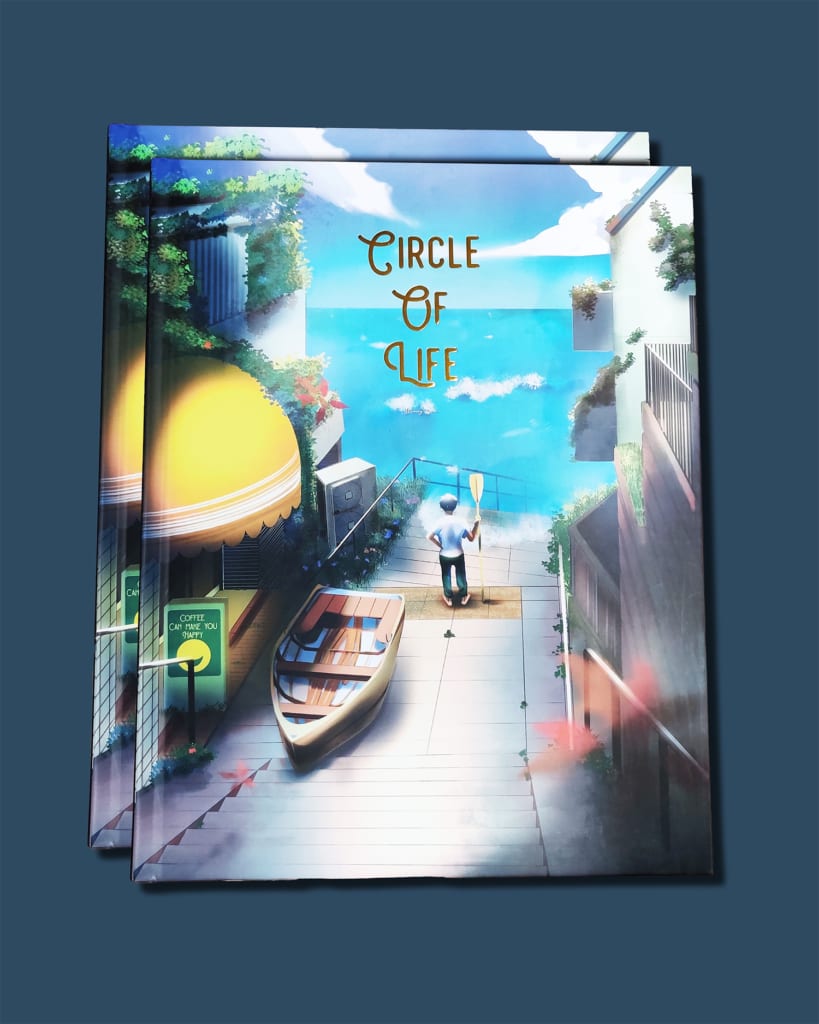
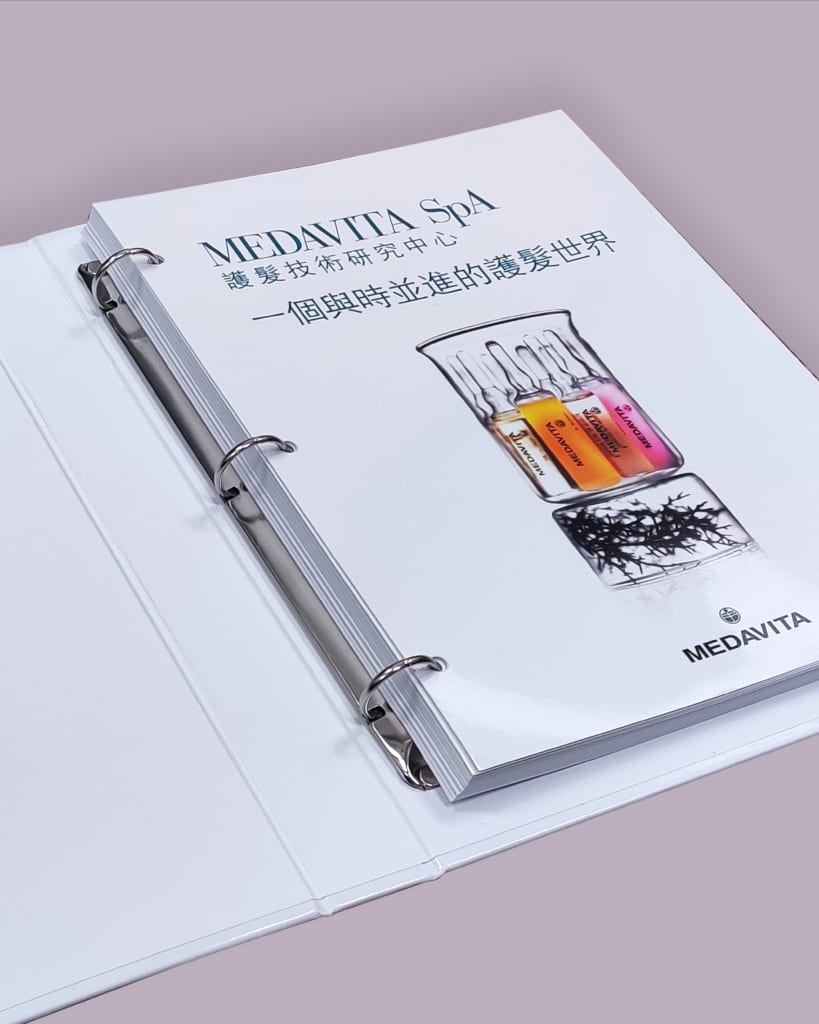
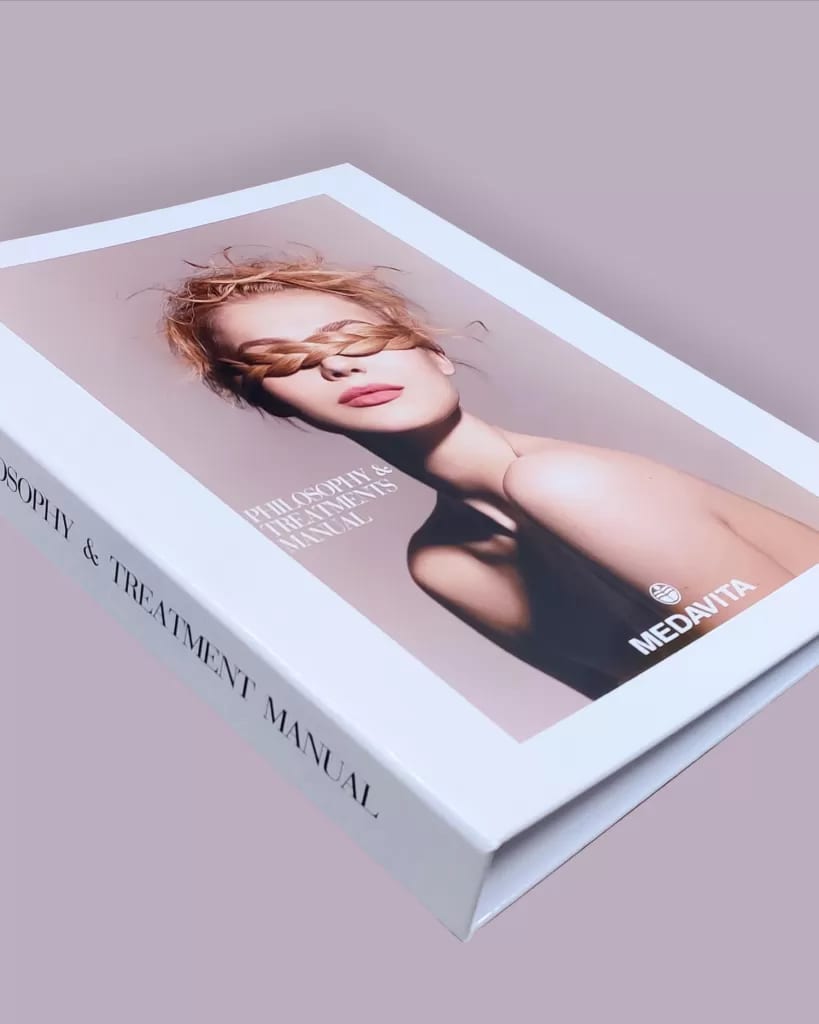
Hardcover is the most premium of all the book bindings — the term refers to a book fitted with a protective hard cover. The most familiar approach mounts glossy coated paper onto stiff board, but plenty of other treatments — leather, thick card, cloth and the like — all count as forms of hardcover binding.
Hardcover is also the most expensive way to print a book, so print runs are usually small and it's reserved mostly for books with a strong commemorative purpose.
Advantages of hardcover
- A lavish look: a finished hardcover is generally thicker and richer in the hand, and because the cover is rigid it won't curl the way a perfect-bound book can. It also protects the pages inside far better. To make a book feel even more distinguished, you can swap the paper cover for cloth or leather.
- High collectible value: sometimes the whole point of printing a book is for it to last for years, or even to dress up a shelf at home — and hardcover binding exists precisely for keeping, think school yearbooks and wedding albums.
What to watch when printing hardcover
- Cover design: a hardcover book has a joint groove running down the cover, so when you design the cover, keep important text and borders away from that groove — otherwise the printed result can look awkward.
- Hardcover binding methods: there are three ways to bind a hardcover book — unsewn, section-sewn and lay-flat (butterfly) binding. Unsewn needs a little more care in file prep than the sewn and butterfly methods: unsewn binding takes 10mm for the glued edge, so no images or text can sit within that 10mm glue zone. Section-sewn and butterfly binding don't have to account for a glue edge, and butterfly binding opens completely flat.
Printing cost
Printing Banana prints hardcover books from a single copy. Ordering just one costs more per book than a larger run, so if you'd like to see how hardcover is priced, check the link below.
Artwork and file issues
Designing a book always throws up problems large and small along the way, and every binding method has its own things to watch for. Our advice is to leave time to go over your files with the print team before you commit to printing. If you don't handle print often, your artwork will almost certainly hold surprises you didn't expect.
Printing Banana offers a pre-press proofing service, because we know designing a book is never easy. If a little extra time on our side helps you print a book you're proud of, we're glad to spend it — we deliver across Hong Kong and Macau, and you can reach us on WhatsApp at +852 3001 5678 (English is fine) or by email.